Land Rover will halt production again in Solihull at the end of March 2026. It is not due to lack of demand, but due to a shortage of components following a fire at a Norwegian supplier. This event, combined with the serious 2025 cyberattack, underscores a systemic vulnerability. The news is a perfect case study for analyzing, through 3D visualization, how a localized incident paralyzes a global supply chain.
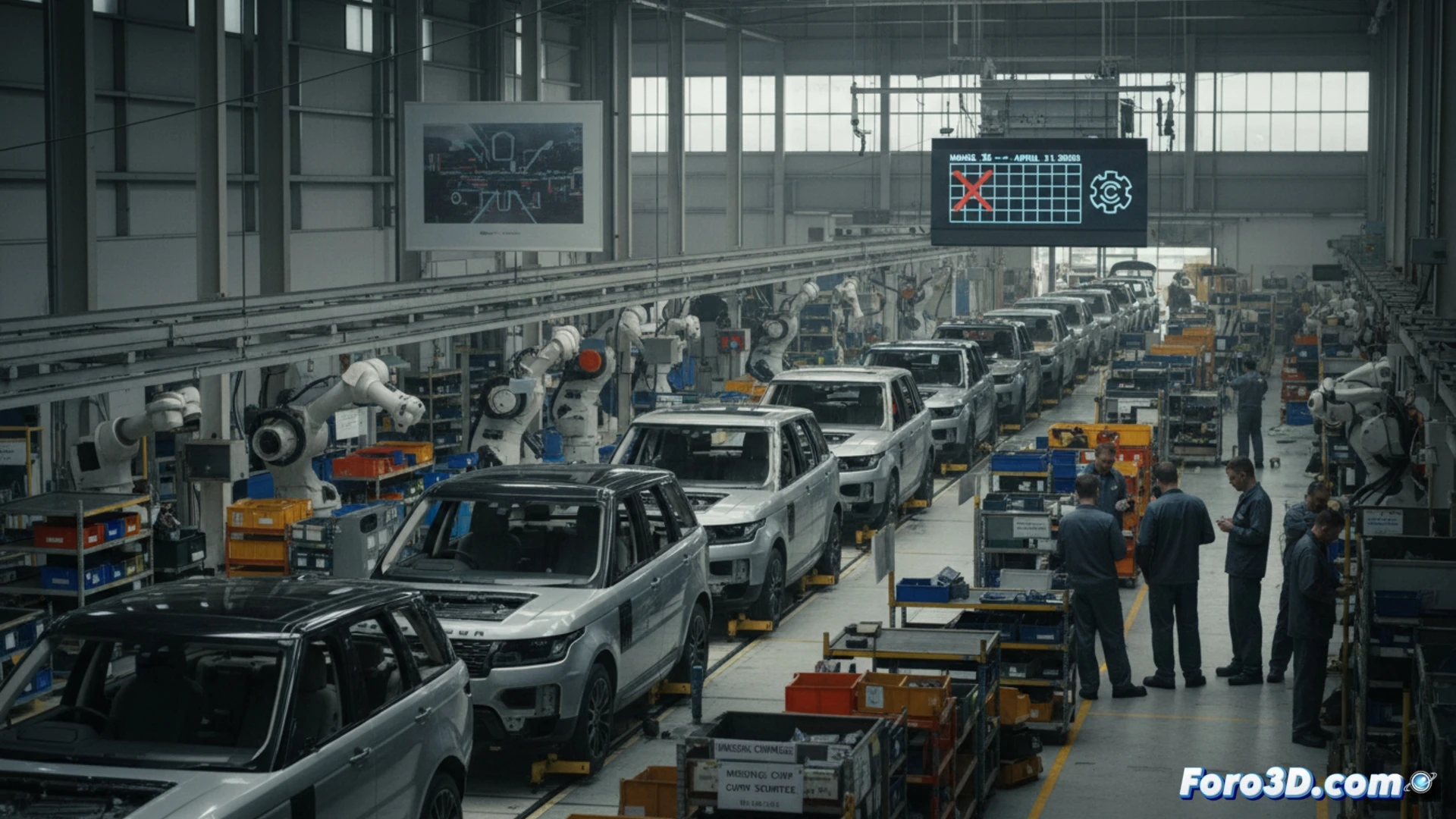
3D Visualization of a Cascade Collapse 🔥
An interactive 3D model can map this crisis. It would trace the critical path of the affected component from Norway to Solihull, highlighting the supplier's node as a point of failure. The simulation would show how the disruption propagates, halting the assembly line. Contrasting with 2025, layers could be overlaid: physical risks (fire) versus digital (cyberattack), visualizing two distinct disruption vectors with the same final effect: stopping production at the manufacturer's key factory.
Lessons for a Resilient Supply Chain 🛡️
These consecutive episodes evidence that extreme efficiency sacrifices robustness. Dependence on a single supplier for critical components is a geopolitical and logistical risk. 3D visualization not only explains the problem but is a tool for designing more redundant and less linear supply chains, where a local event does not have a catastrophic global impact. Resilience must be the new design parameter.
How can a fire in a Norwegian components factory paralyze Land Rover production in the United Kingdom, and what does this reveal about the geopolitical vulnerability of just-in-time supply chains?
(PS: geopolitics in 3D looks so good that it makes you want to invade countries just to see it rendered)