Valve has broken one of the longest-standing conventions of shooters. In the March 19 update for Counter-Strike 2, reloading no longer preserves the remaining rounds in the magazine. Those bullets are lost forever. This fundamental twist alters resource management, penalizes excessive spending, and forces players to unlearn decades of muscle memory. Along with a global readjustment of total ammunition, this change redefines the risk economy in every match.
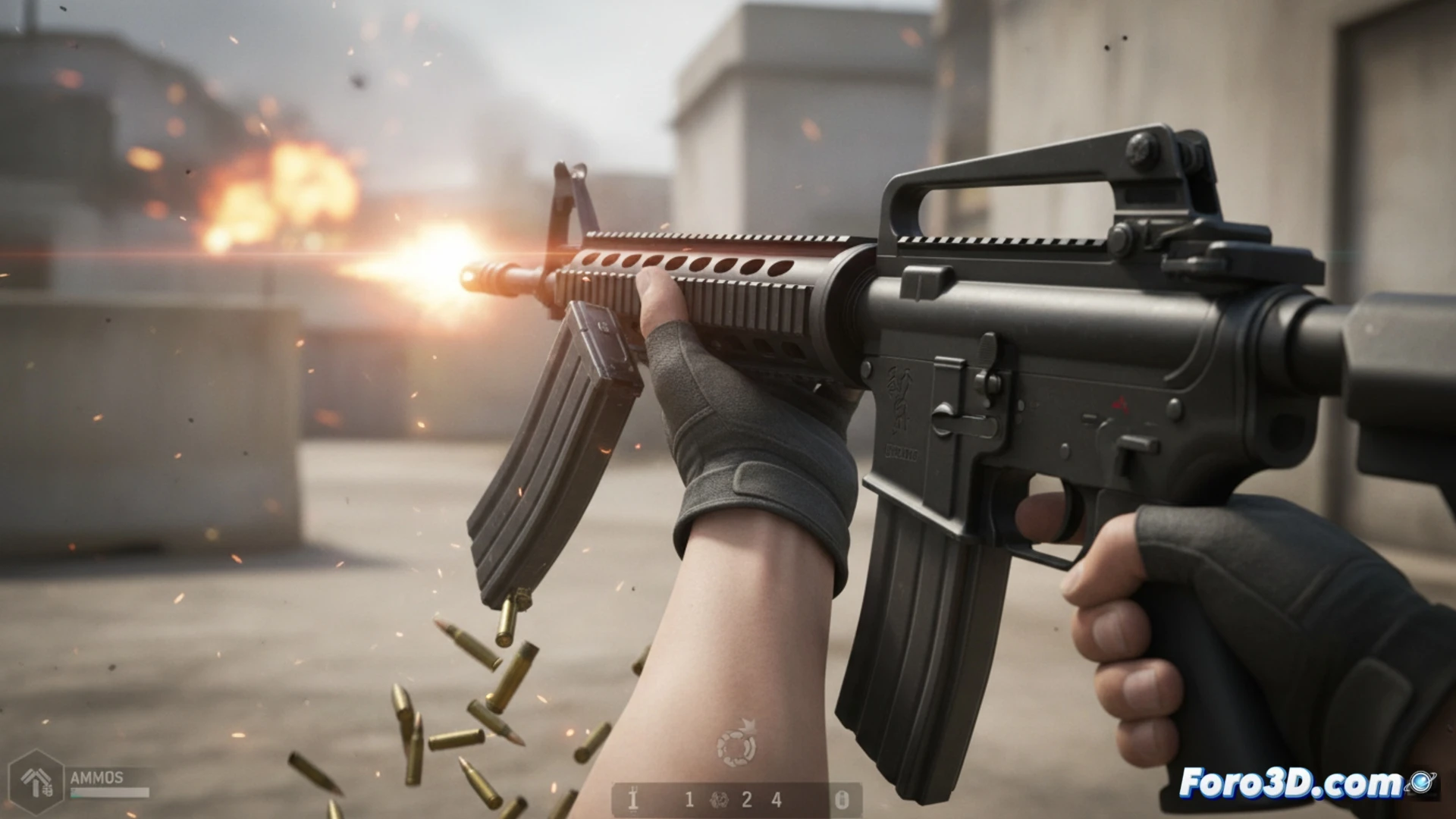
Design Analysis: Risk, Resources, and Reeducation 🎯
From a game design perspective, this modification transforms the risk/reward curve. Before, reloading with leftover bullets was a tactical safety net. Now, every reload is a costly decision that consumes a finite resource. This brings CS2 closer to the philosophy of games like Escape From Tarkov, where ammunition management is extreme, and moves away from shooters like Call of Duty, where reloading is abundant and penalty-free. The ammunition rebalance, such as the 15 total rounds for the AWP, reinforces this vision: every bullet counts. Valve's goal seems clear: slow down the pace, elevate the importance of aim and planning, and punish spam.
Beyond the Magazine: A Comprehensive Experience Strategy 🔄
This monumental change doesn't come alone. The inclusion of tips in competitive matches and simplified access to custom modes reveals a dual strategy. On one hand, a high-demand mechanic is introduced that further segregates novice and expert players. On the other, UX/UI aids are implemented and community content is facilitated to retain the player base. Valve is not only remodeling the game's meta, but also its ecosystem, guiding the community toward a more tactical and less intuitive game.
How will the elimination of tactical reloading in CS2 affect game mechanics design and the meta in future competitive shooters?
(P.S.: game jams are like weddings: everyone happy, no one sleeps, and you end up crying)