A24's latest film, The Drama, starring Zendaya and Robert Pattinson, has surprised with its narrative depth. Beyond its plot twist, it stands out as a precise study on perception and performance in relationships. This analysis will not focus on the controversy, but on how its impeccable visual construction, possibly grounded in 3D pre-production tools, serves as the backbone for its complex thematic exploration.
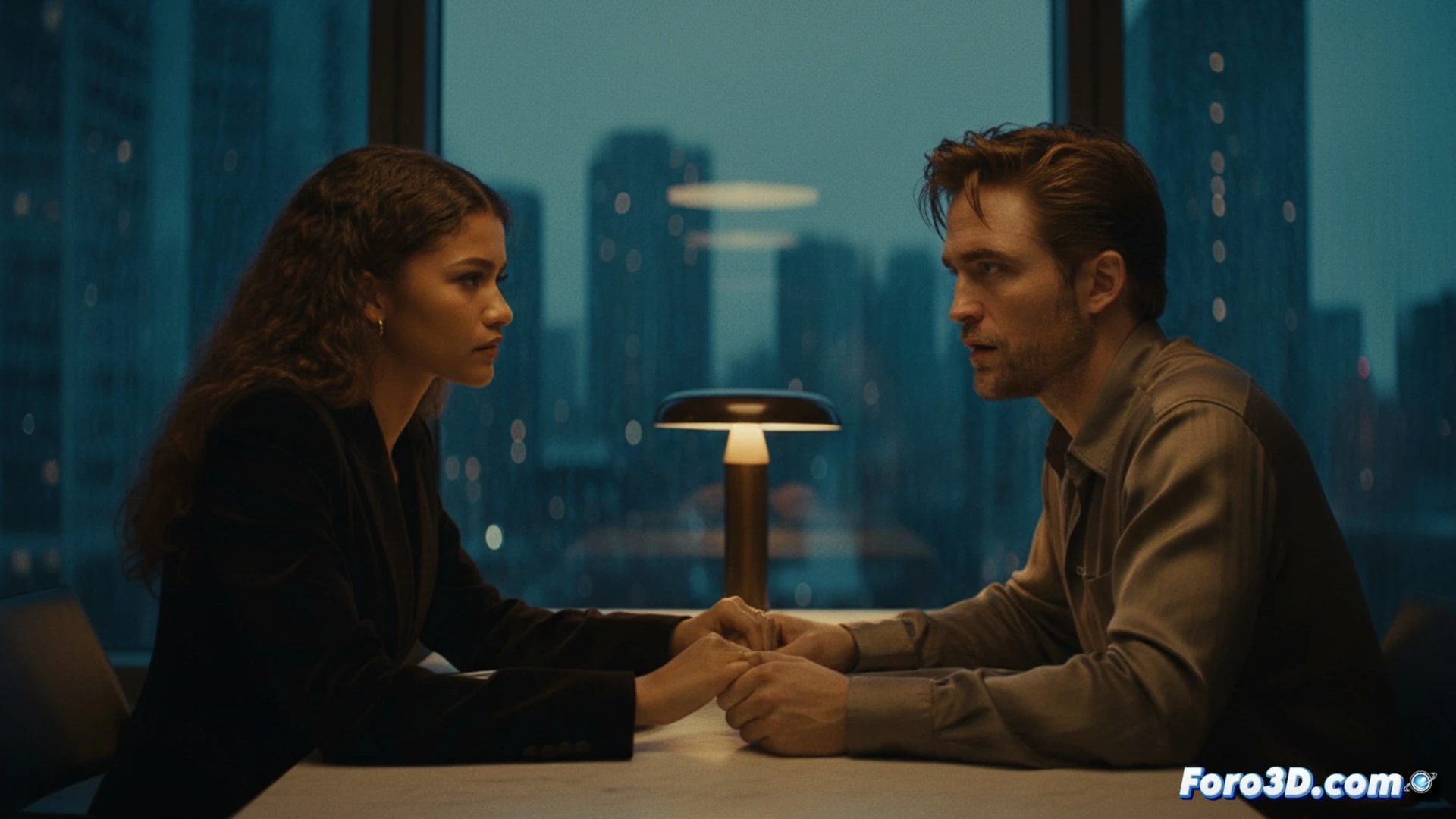
Previz and Digital Storyboarding: Planning Chemistry and Deception 🎬
The chemistry between the protagonists and the precise narrative highlighted by critics are not accidental. This is where 3D previsualization and digital storyboarding emerge as key allies. A director can use these virtual environments to block scenes of conflicted intimacy, testing angles and focal lengths that accentuate tension or complicity. The planning of close shots, which capture crucial microexpressions for deception, or the choreography of silences in specific architectural spaces, could be iterated digitally. This methodology allows fine-tuning the tone, ensuring that every shot contributes to the atmosphere of observation and performativity that defines the film.
Virtual Design: The Set as a Mirror of the Character 🏠
3D pre-production also extends its influence to set design. The spaces inhabited by the characters reflect their fabricated identities. Through virtual models, the director and production designer can experiment with furniture arrangement, natural light incidence, or the claustrophobic feel of an apartment, defining how the environment pressures the characters. This meticulous planning, prior to shooting, is fundamental for building a coherent atmosphere that, without drawing attention with flashy effects, sustains the entire dramatic and visual load of the story.
How can 3D previsualization, used in films like A24's The Drama, transcend its technical function to become a fundamental tool in constructing a character's visual identity and emotional architecture?
(P.S.: Previz in cinema is like the storyboard, but with more chances for the director to change their mind.)