The study behind shapez and its sequel is seeking a Game Designer specialized in Live Operations. This job offer reflects a key trend in the industry: the professionalization of post-launch support. It's no longer enough to create a good game; its longevity depends on continuous design that keeps the community active. This role is fundamental to transform a successful launch into an enduring title, a strategy increasingly adopted by ambitious independent studios.
LiveOps: Beyond the Launch Patch 🚀
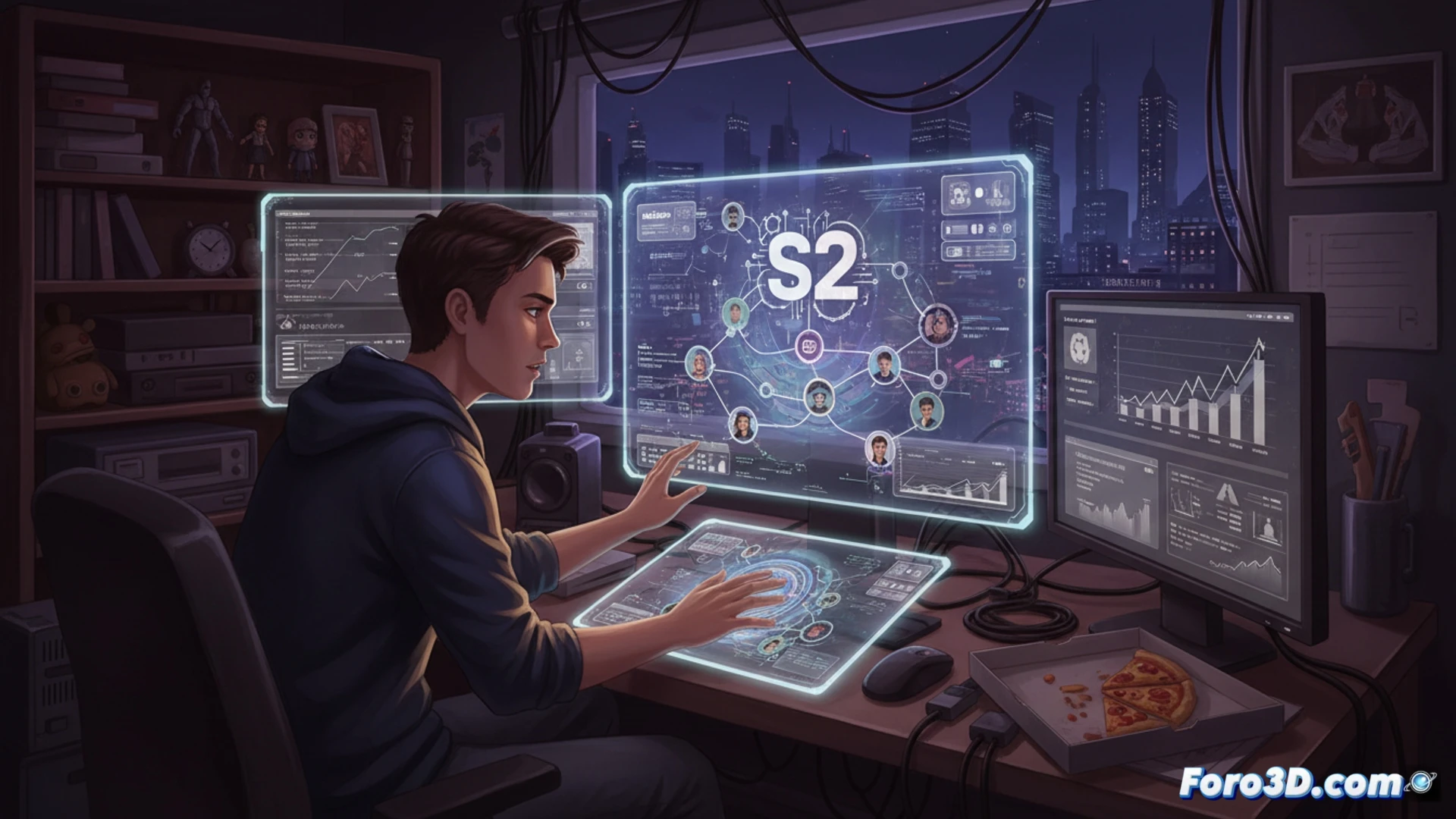
The profile requested for Shapez 2 goes beyond initial design. It requires experience in live operations, post-launch content management, and a deep understanding of player motivators. This involves data-based work: analyzing engagement metrics, iterating with community feedback, and designing features that foster long-term interaction. Collaboration with programming, art, and marketing is essential, as LiveOps is a cross-cutting pillar. This approach turns the game into a continuous service (GaaS), even in the indie realm, where retention is critical for sustained success.
The Designer as Custodian of the Long-Term Experience 🧩
This figure embodies the evolution of the video game developer. Their work doesn't end with submitting the final build, but begins with the launch. They are the custodian of the long-term experience, responsible for keeping the game's ecosystem alive and engaging. For studios like the one behind Shapez 2, hiring this profile is an investment in the project's future, prioritizing core community engagement. It signals maturity in the sector where iterative design and player service have become as crucial as the original idea.
How can indie studios integrate LiveOps strategies into their game design from the early stages of development to ensure long-term sustainability?
(P.S.: game jams are like weddings: everyone happy, no one sleeps, and you end up crying)