The cancellation of the Finalissima between Spain and Argentina, due to geopolitical and logistical reasons, leaves a void for fans and organizers. This high-profile event highlights the fragility of major sports events in the face of global unforeseen events. In this context, 3D technology emerges not as mere consolation, but as a set of practical tools that could have offered viable alternatives or, at least, preserved the essence of the spectacle for millions of followers worldwide.
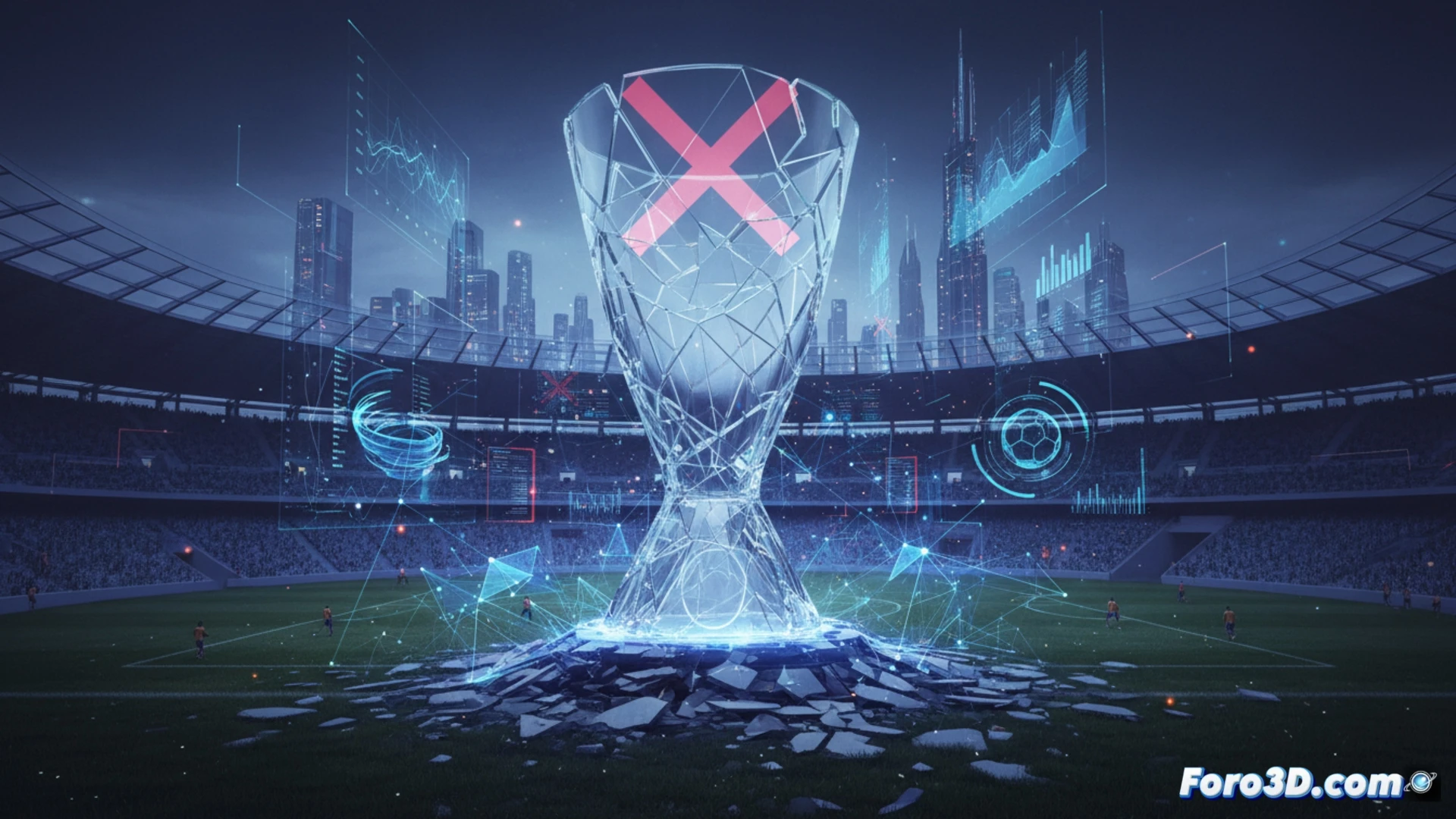
3D Visualization and Digital Twins: Planning and Immersive Experience 🏟️
Two 3D applications are key. First, digital twins of stadiums and host cities. Creating exact virtual replicas of the Bernabéu or neutral venues would have allowed UEFA and AFA to simulate and plan logistics, capacity, security, and costs in real time, facilitating an agreement with objective data. Second, the fan experience. In the face of an irrevocable cancellation, a technical studio could have generated a 3D simulation of the match, with scanned players, realistic animations of key plays based on tactical data, and an immersive virtual broadcast, offering an alternative product of value.
Beyond Consolation: A Paradigm Shift in Sports Management 🔄
This situation is not just about recreating a match. It points to the need to integrate 3D technology into the strategic management of sports. From testing contingency venues to creating marketable digital assets that transcend the physical event, these tools mitigate risks and generate new engagement pathways. The cancellation of the Finalissima is a lesson: the future of elite events lies in complementing physical reality with resilient digital layers.
Could 3D technology and digital twins of stadiums create immersive and globally accessible elite sports events, overcoming geopolitical barriers?
(PS: VAR in 3D: now with replays from angles that didn't even exist)