In the analysis of the end of its fifth season, actors Valorie Curry and Nathan Mitchell highlight the narrative pillars of The Boys: a bold satire and an uncompromising exploration of power. The series thrives in the gray areas, challenging traditional superhero genre narratives with incisive social critique. This discursive approach, however, relies on equally transgressive visual execution, where production technology plays a fundamental role in portraying its unique and violently satirical universe.
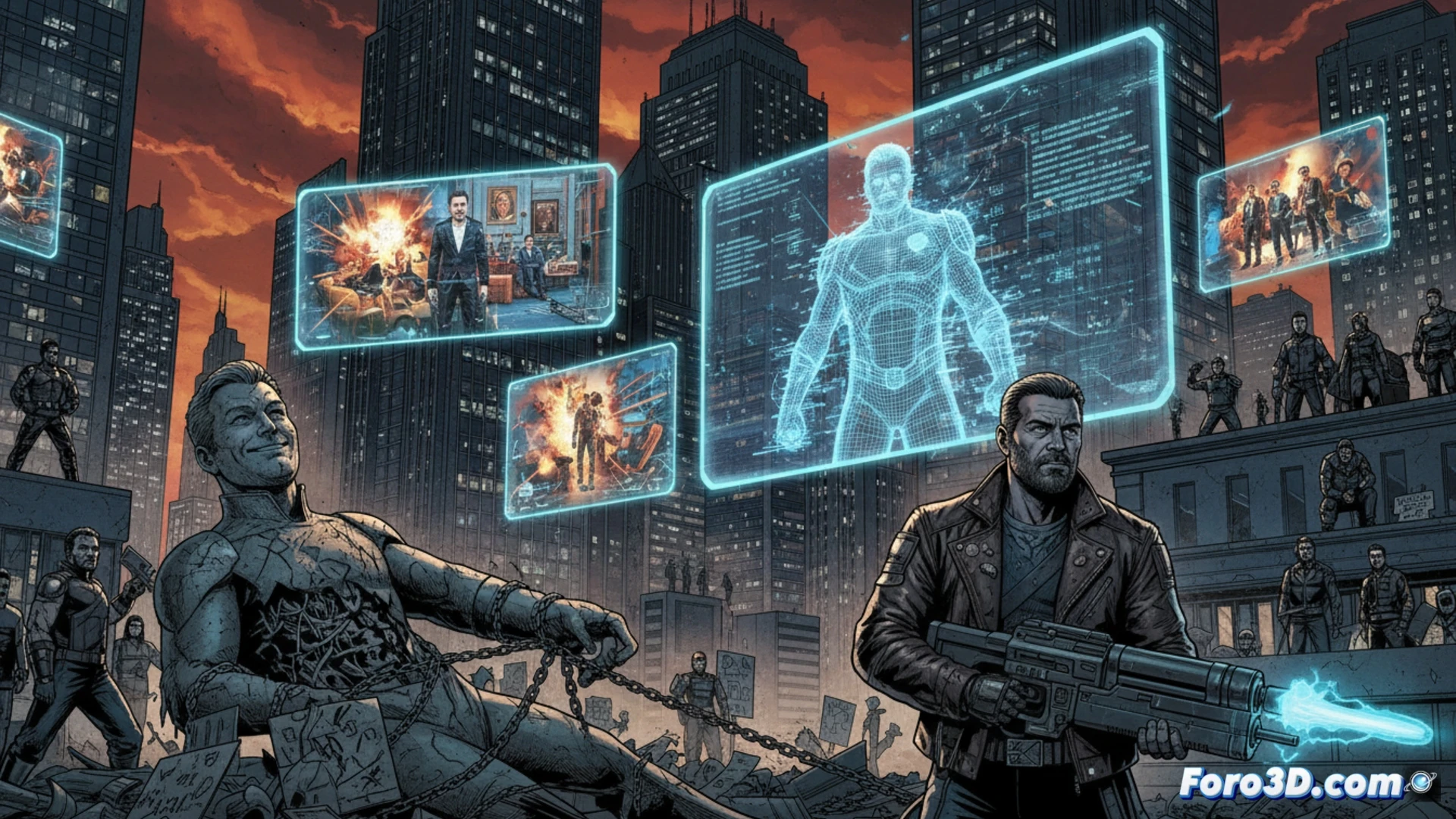
3D Previsualization and Storyboards: Planning Chaos and Satire 🎬
The visual complexity of The Boys, from its hyperbolic action choreographies to gore special effects, does not arise from improvisation. 3D previsualization tools and digital storyboards are crucial for planning sequences that must balance spectacular impact with satirical message. Before filming, VFX and direction teams can block scenes in virtual environments, experimenting with angles and timing so that violent exaggeration effectively critiques the glorification of power. This technical planning allows for precise execution of black humor and social critique, ensuring that every narratively relevant special effect, such as a character's disintegration, serves the series' central thesis.
Beyond Gore: Technology in Service of the Narrative 🖥️
The true technical achievement of The Boys lies in how its production tools visualize abstract concepts. 3D-assisted set and character design does not seek mere realism, but to build an aesthetic that reflects corruption and megalomania. Digital planning facilitates the creation of a world where the superheroic is grotesque, supporting the evolution of characters like those highlighted by Curry. Thus, 3D technology becomes the indispensable canvas for a narrative that, as Mitchell points out, transforms the genre from its visual and discursive foundations.
How does The Boys use 3D technology and visual design to build its satire and enhance its critique of the entertainment industry and superheroes?
(P.S.: Previz in cinema is like the storyboard, but with more chances for the director to change their mind.)