In the movie The Secret Agent, set in 1977, the McMurphy / Brom VFX studio faced a peculiar challenge: creating visual effects that went unnoticed. Their main task was not to add spectacular elements, but to preserve historical authenticity through meticulous cleaning of anachronisms and subtle enhancement of period details. This approach turns VFX into an invisible narrative pillar, whose success lies precisely in going unnoticed by the viewer.
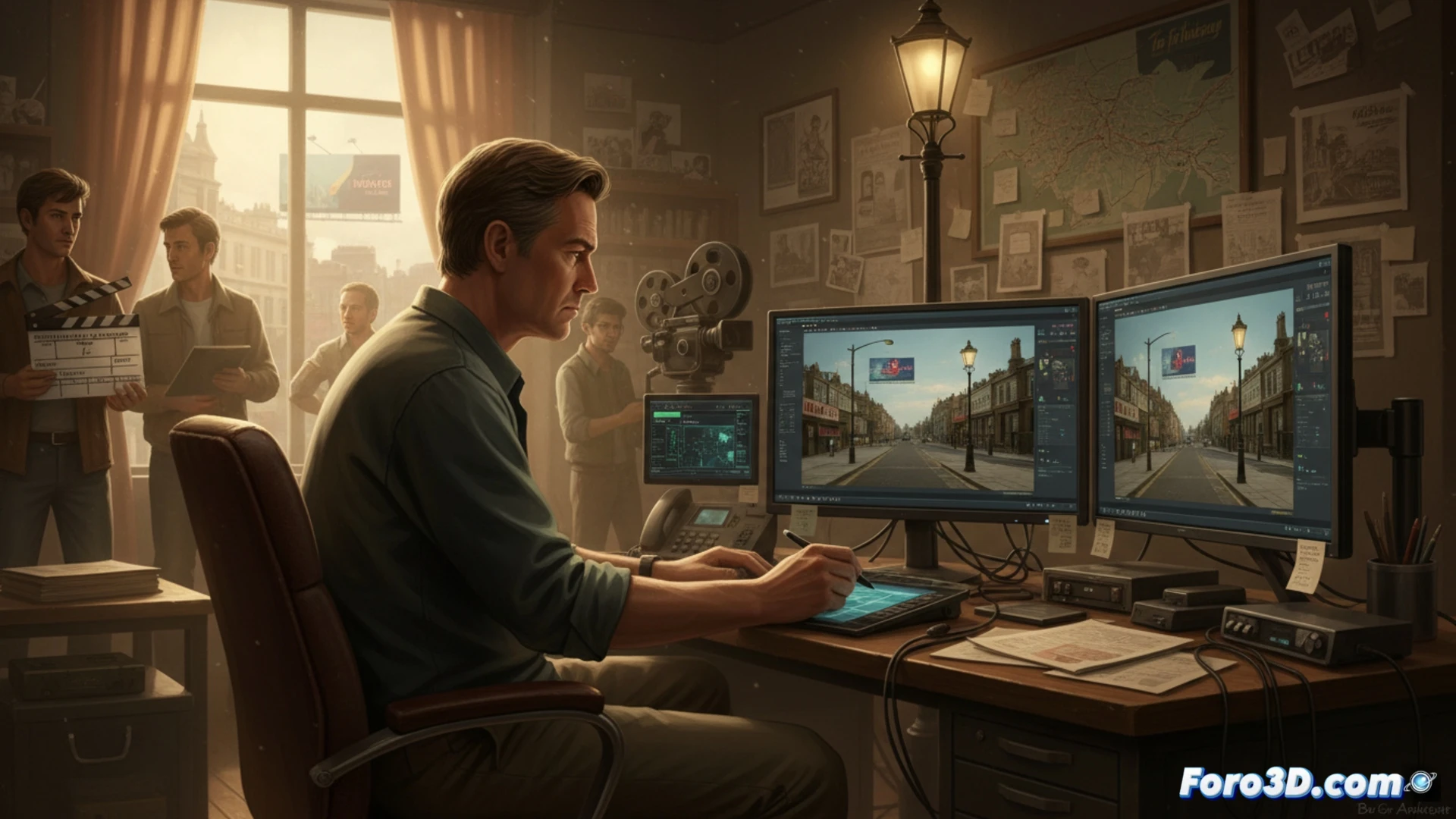
Environmental cleanup and fantastic integration 🧹
The technical work was divided into two fronts. The first was the removal of any modern elements that broke immersion in the 1970s, from satellite dishes to contemporary signage, requiring meticulous digital painting and cloning work to coherently reconstruct backgrounds. The second was the creation and integration of a fantastic element: an animated two-headed cat. The difficulty here was not in the modeling, but in making its animation and behavior feel organic and natural within everyday scenes, avoiding drawing attention in a disruptive way.
When effects serve the atmosphere 🎬
This case exemplifies a high-level philosophy in visual effects: total subordination to the story. The goal is not to demonstrate technical skill, but to enrich the atmosphere and support the verisimilitude of the narrative, whether historical or fantastic. The most effective VFX are often those that the audience never consciously appreciates, because their integration is perfect. The Secret Agent reminds us that the true art in VFX sometimes consists of erasing rather than adding.
How is imperceptibility achieved in visual effects when the main goal is to faithfully recreate an era without drawing attention to the digital artifice?
(P.S.: VFX are like magic: when they work, no one asks how; when they fail, everyone sees it.)