Carlos Sainz's recent qualifying in Japan, with a Williams in 16th position, is a perfect example of the harsh reality of modern F1. His frustration at being seven tenths off the midfield and two seconds off pole is not just a matter of driving skill. Behind that gap lies a universe of data and technical limitations that are now analyzed and understood primarily through sophisticated 3D modeling and simulation tools. These technologies are key to deciphering why a single-seater falls short.
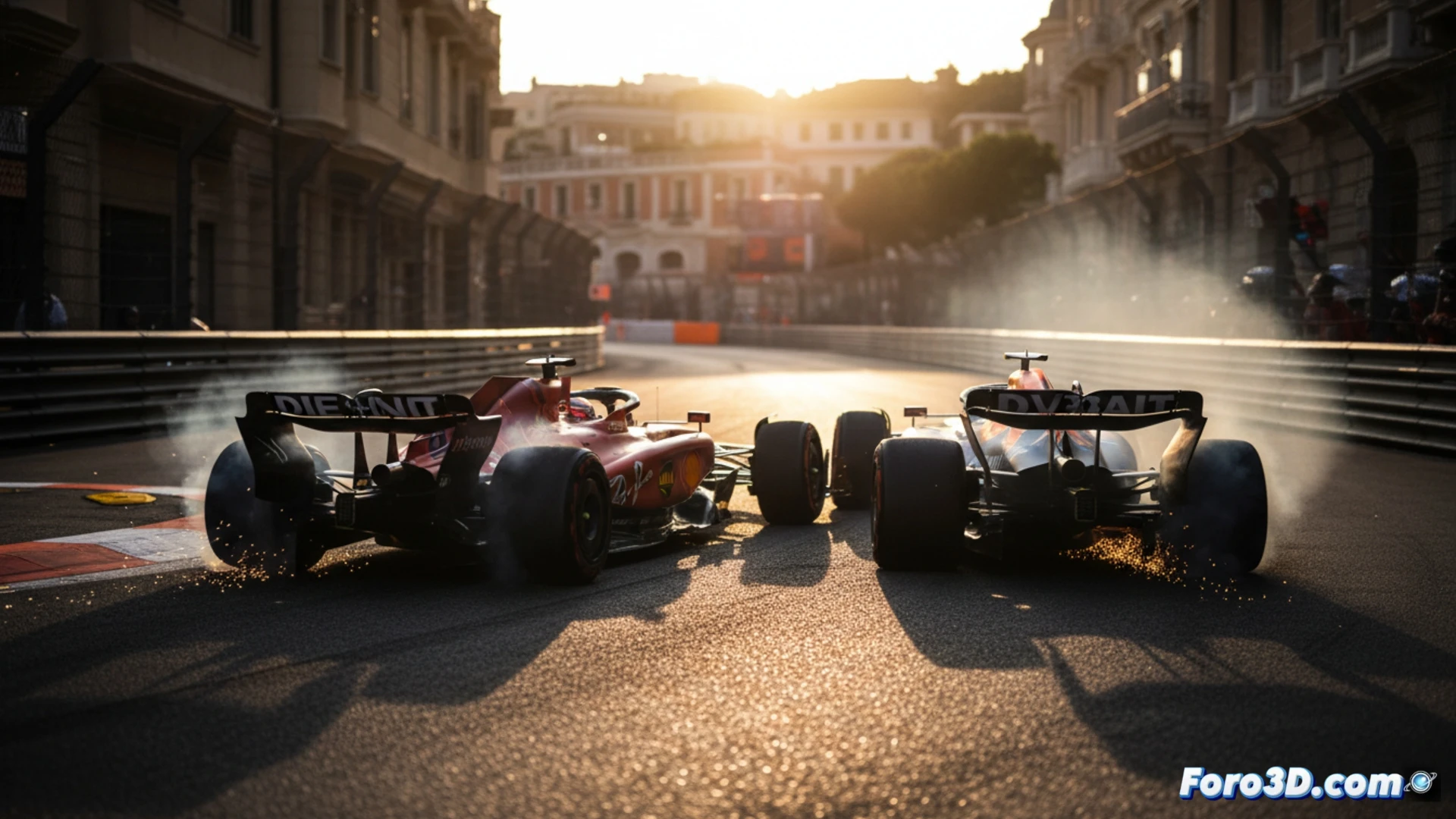
Digital twins and simulation: the virtual laboratory of F1 🧪
When Sainz mentions issues like premature engine cut-off or lack of pure pace, engineers don't just look at flat telemetry graphs. They use 3D digital twins of the car and the circuit. These models allow simulating thousands of wing, suspension, and engine map configurations in a virtual environment, identifying the root cause of failures. Additionally, the 3D visualization of the aerodynamic flow around the digital model of the Williams, compared to that of a leading car, makes the differences in downforce and drag tangible. Recreating Sainz's ideal trajectory at Suzuka in 3D and overlaying it with his real lap reveals where those tenths are lost due to lack of downforce or suboptimal chassis behavior.
Beyond the stopwatch: the democratization of technical analysis 🌐
This application of 3D technology transcends the factory wall. For fans, 3D reconstructions of pole laps and comparative aerodynamic visualizations are now common tools, allowing an almost professional-level understanding of why a Williams struggles. A driver's complaint is no longer a vague comment; it can be contextualized and analyzed visually. Thus, 3D simulation is not only the hope of teams to close gaps, but also the bridge that allows everyone to appreciate the technical complexity behind every tenth and every grid position.
How can 3D modeling and CFD simulation explain the aerodynamic limitations that condemned Sainz's Williams to 16th position in the Japanese qualifying? 🏎️
(PS: player tracking is like following your cat around the house: lots of information and little control)