The NHTSA has escalated to the highest level its investigation into Tesla's Full Self-Driving system, after analyzing accidents in low visibility conditions. The report points out critical failures in camera detection and late alerts. This case underscores the complexity of investigating incidents involving autonomous systems, where forensic reconstruction requires tools that capture and analyze the scene in its full dimensional and temporal entirety.
From the Accident to the Digital Twin: Key Technologies for Analysis 🔍
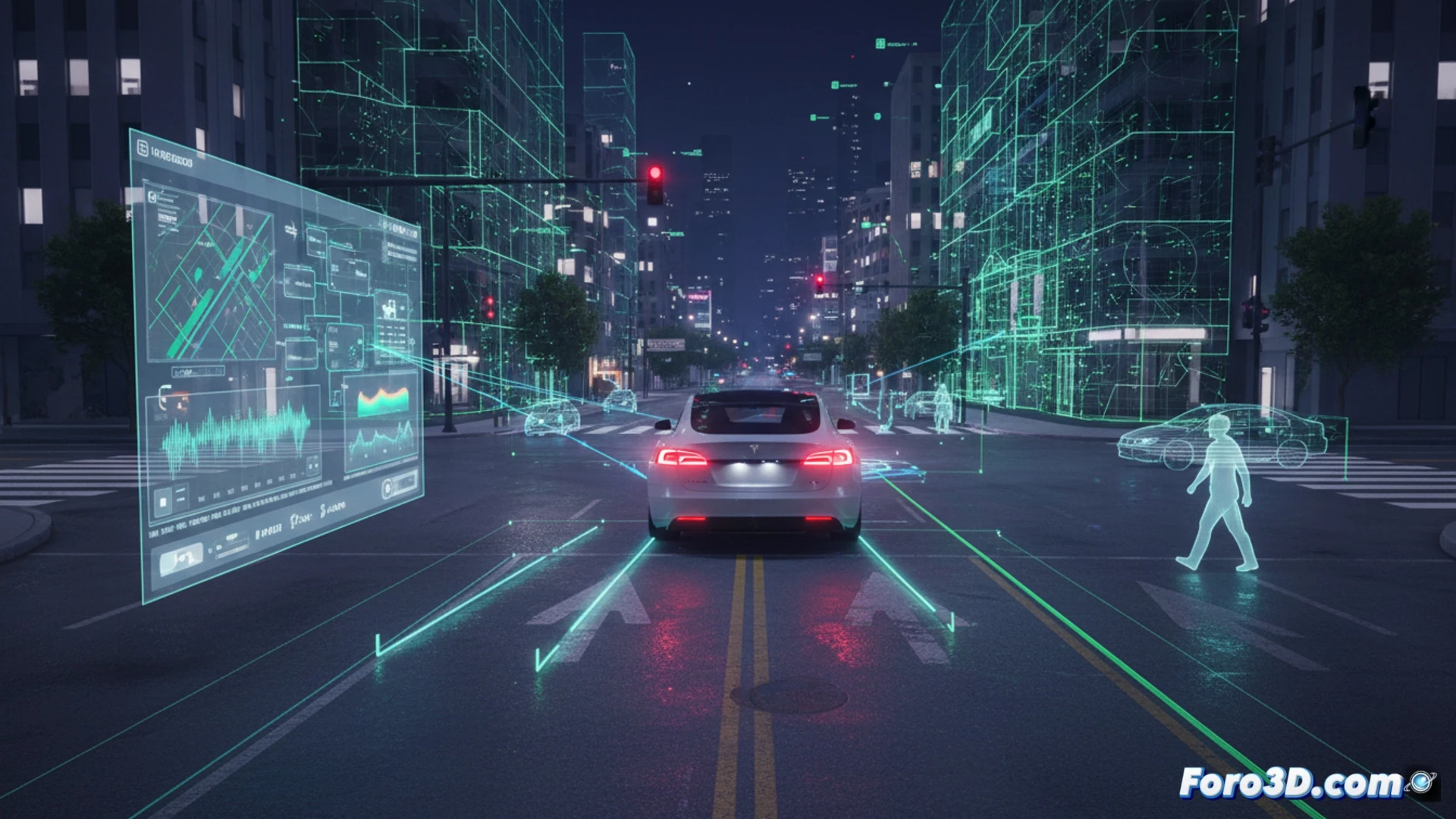
Investigating these events requires transforming the chaos of the scene into an analyzable 3D model. Photogrammetry and laser scanning capture with millimeter precision the geometry of the site, road marks, and final positions. By integrating this data with vehicle logs and weather records, a digital twin is generated. This model allows simulating trajectories, calculating exact visibility angles at the moment of the incident under fog or rain, and quantifying the available reaction times, contrasting them with the system's alerts.
Beyond Blame: Technical Validation and Prevention ⚖️
3D reconstruction does not seek only to assign responsibilities. Its value lies in objective technical validation. It allows verifying whether the system actually perceived the obstacle and when, by recreating the exact sensory conditions it faced. This forensic analysis is crucial for understanding the real limitations of the technology, informing improvements in software and sensors, and, ultimately, developing more robust safety standards for the automated mobility of the future.
Would you place scale witnesses before scanning?