Pedro de la Rosa's evasive response regarding the possible signing of Jonathan Wheatley for Aston Martin F1 goes beyond mere sports rumor. In modern Formula 1, the stability of the technical team is the pillar upon which complex virtual development processes are built. Any shadow of doubt about technical direction immediately raises questions about the continuity of key digital projects, from CFD aerodynamics to race strategy, processes that are managed and optimized through advanced 3D simulation tools.
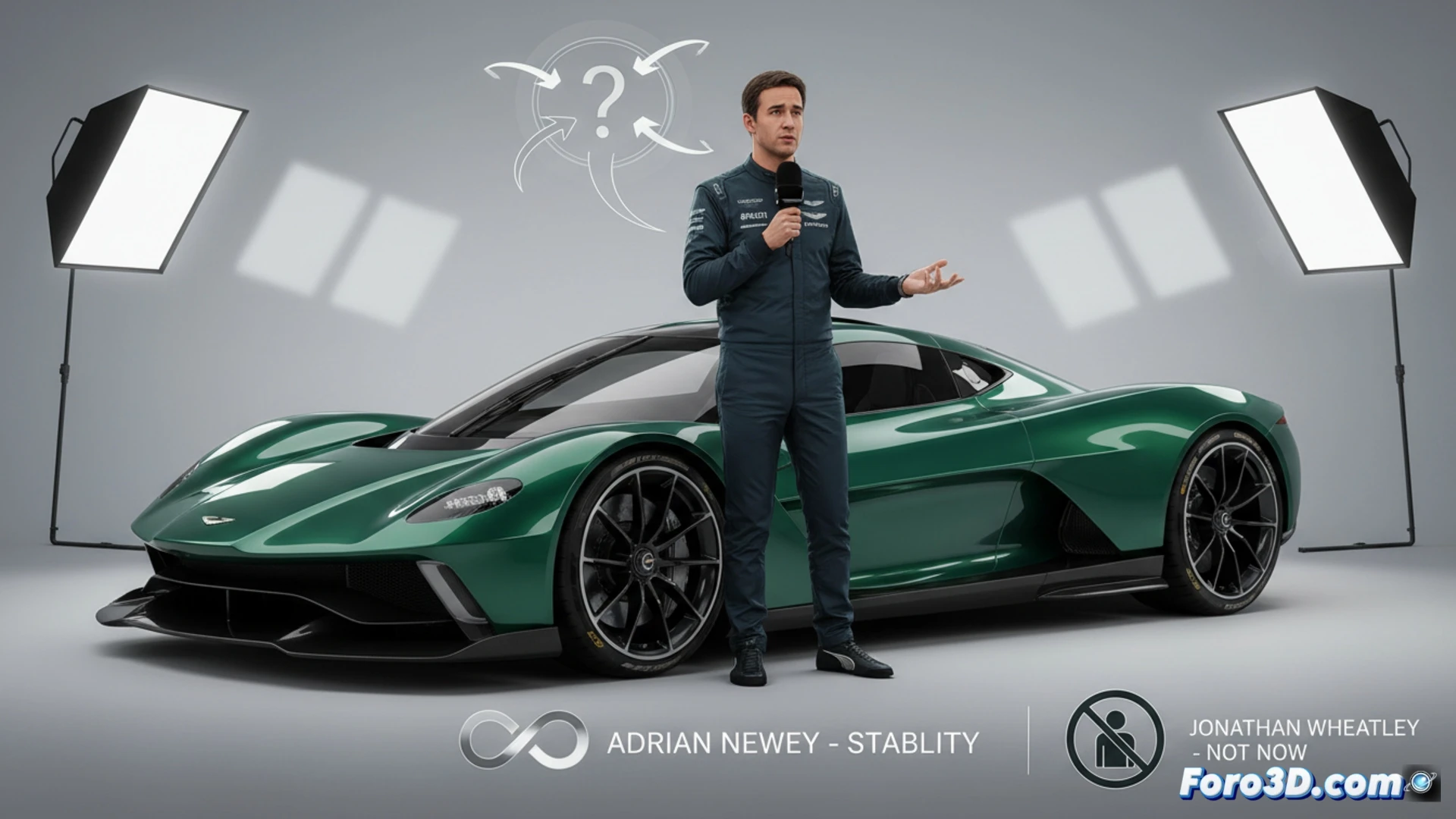
The digital pipeline: when human uncertainty slows down virtual simulation 🤖
The core of performance in F1 today lies in a continuous digital pipeline. Digital twins of the car, CFD simulations of thousands of components, and hyper-realistic 3D modeling of circuits require cohesive technical direction and a long-term vision. A possible change in a key figure could alter methodologies, priorities, or even the specialized software used. This period of uncertainty, suggested by De la Rosa's for now no, can translate into a slowdown in virtual iteration, as engineering and simulation teams might adopt a cautious stance, waiting for clear directives before committing resources to new digital developments that could be discarded.
Stability, the intangible asset for 3D innovation ⚙️
The statement that the structure with Newey remains stable is crucial. In this context, technical stability is not just an organizational advantage, but the fuel for digital innovation. It allows simulation and 3D modeling teams to work with clear objectives, refining their models and algorithms with confidence. Any turbulence in the technical leadership, therefore, is not just a matter of signings, but a risk factor that can affect the speed and effectiveness of the virtual development cycle, the true race behind the scenes.
How does technical uncertainty in the structure of an F1 team, like Aston Martin, affect the precision and realism of the 3D models and simulations used by the design community and fans?
(PS: reconstructing a goal in 3D is easy, the hard part is making it not look like it was scored with the leg of a Lego doll)