FBC: Firebreak, developed by Remedy Entertainment, stands out as an exceptional case study in real-time rendering. Using the proprietary Northlight engine, the game builds an oppressive and tangible atmosphere that is fundamental to its narrative. This analysis focuses on breaking down the technical decisions behind its distinctive visual aesthetic, examining the implementation of its PBR pipeline and the massive use of volumetric lighting within brutalist environments, offering valuable insights for developers.
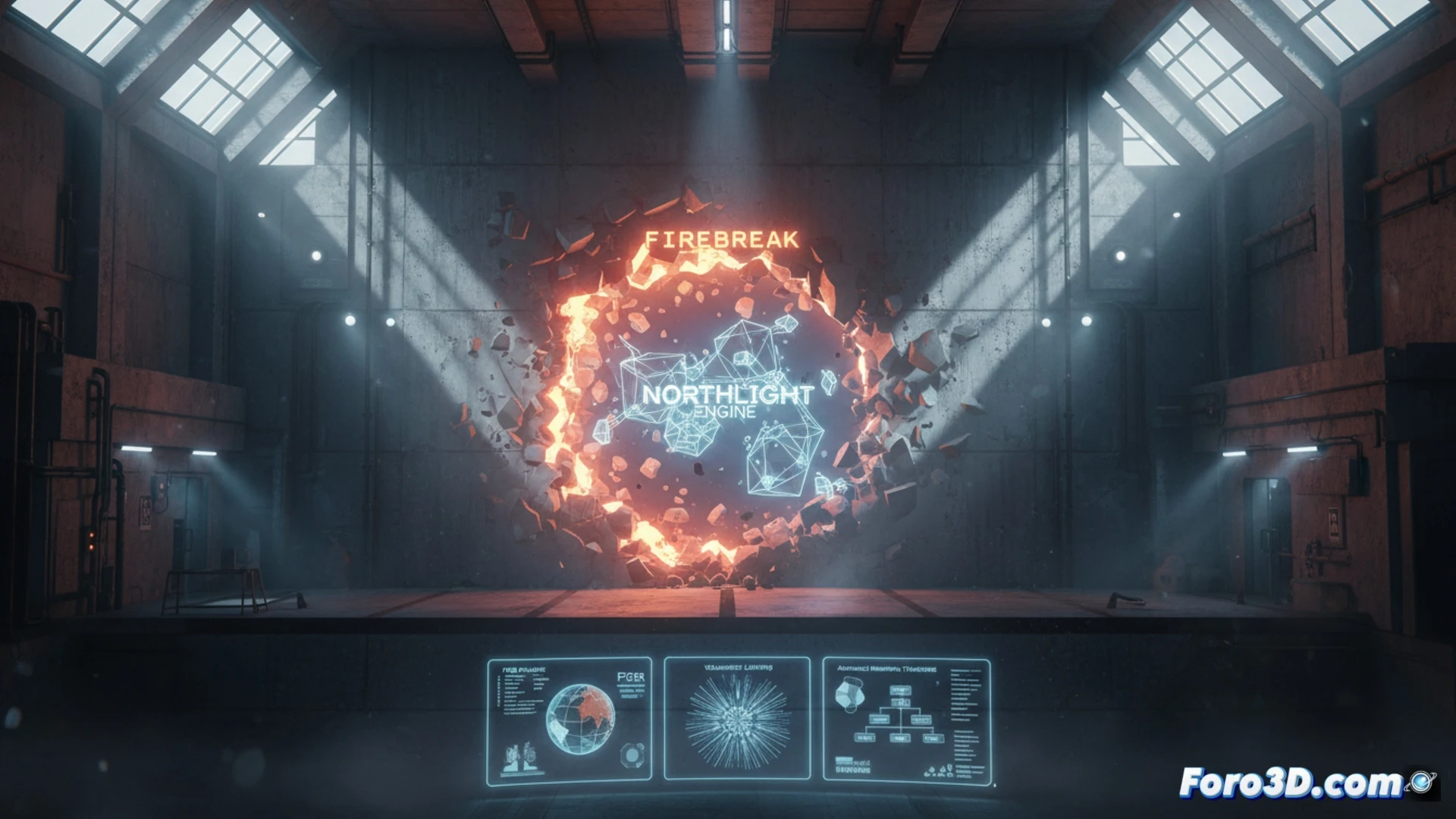
Northlight Engine: PBR, Volumetrics, and an Integrated Pipeline 🔧
The technical heart of Firebreak is Northlight's physically precise rendering system (PBR), calibrated for rough and cold materials like concrete and metal, typical of brutalism. The true star is volumetric lighting, managed in an advanced way so that fog, smoke, and light beams are not mere effects, but elements that define exploration and combat. This complexity is handled with Remedy's scripting tools, which automate tasks and ensure visual coherence, while integration with Autodesk Maya allows artists to create and preview assets that respect the engine's technical constraints from the start.
Technical Lessons Beyond Style 💡
The main lesson from Firebreak is that technical choices must serve the experience. Its focus on volumetrics is not just aesthetic, but a pillar of gameplay. For your own projects, this reinforces the need to build or adapt a pipeline where the engine and content tools are deeply aligned, allowing ambitious artistic decisions, like dense atmospheric lighting, to be viable and optimized from the initial production phase.
How does the Northlight engine from Remedy Entertainment in FBC: Firebreak achieve its characteristic rendering of volumetrics and real-time global illumination management, and what implications does this technology have for the future of AAA graphics engines?
(P.S.: optimizing for mobile is like trying to fit an elephant into a Mini Cooper)