The miniseries Tales From The Loop is a fascinating case study on complex visual narrative. Its plot, which intertwines multiple characters and timelines in a dreamlike universe, can be bewildering at first glance. This complexity is not accidental, but the core of an experience designed to be explored in layers. Understanding its secret architecture reveals valuable lessons for any project aspiring to build coherent worlds through fragmented stories and dense atmospheres.
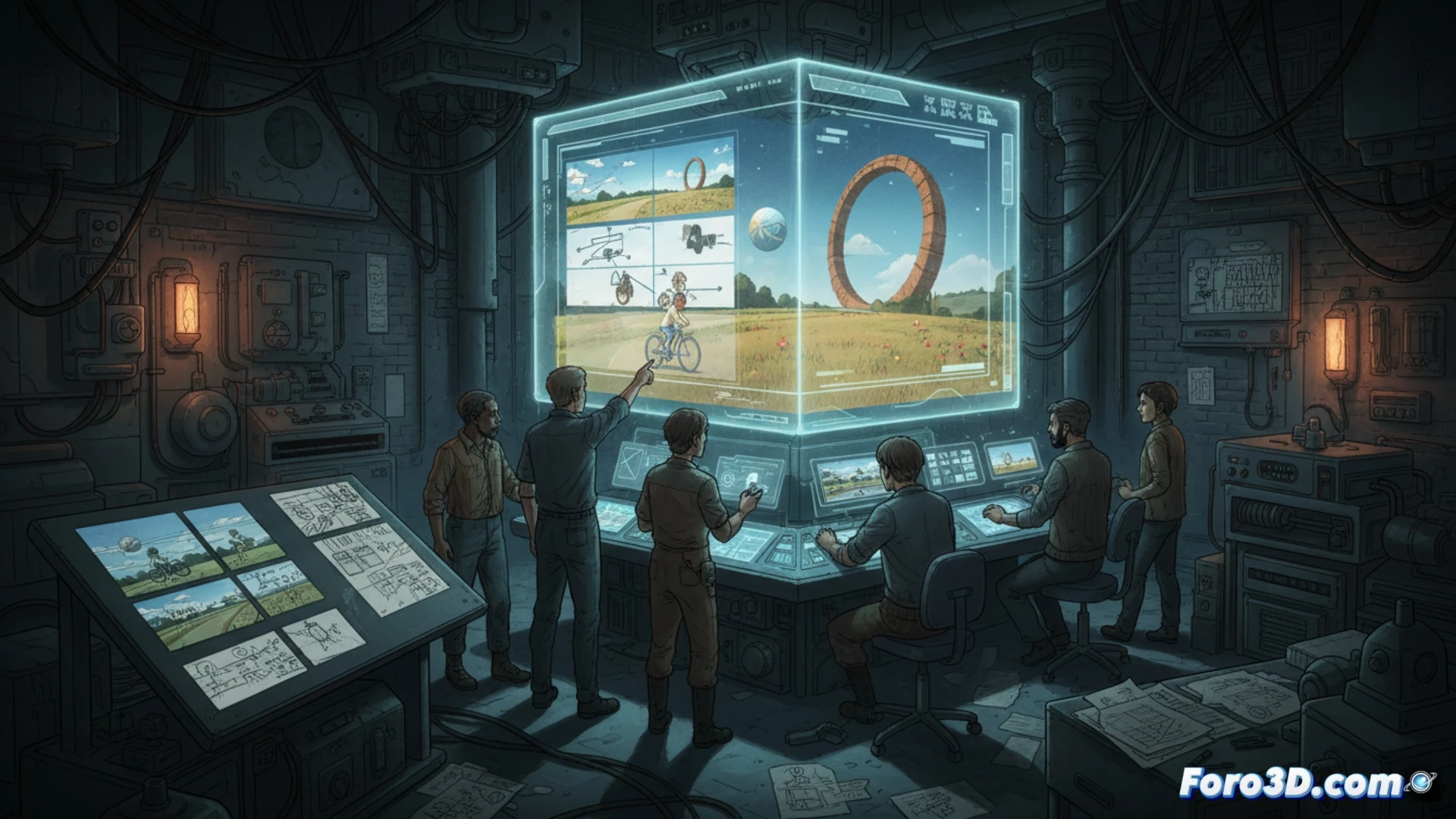
Deconstructing the Loop: Previs and Storyboarding to Connect Realities 🌀
The structure of Tales From The Loop, with its time jumps, body swaps, and connections between episodes, demands meticulous visual planning. This is where 3D previsualization tools and animated storyboards become crucial. A previs would allow mapping divergent timelines, visualizing how an object or character from one episode appears in another, and ensuring visual continuity in a universe altered by technology. Planning these connections in advance is essential to plant coherent clues and make the narrative puzzle ultimately fit together. The series demonstrates that what seems like a dreamlike flow requires an extremely logical design.
Dreamlike Coherence: Lessons for Preproduction 💡
The series' greatest achievement is making its world, despite its strangeness, feel solid and real. This underscores a key principle: the boldest narrative complexity must be built on a rigorous visual and structural foundation. For projects with similar ambitions, the preproduction phase cannot be limited to scripts and loose sketches. It must involve building a mental or virtual model of the universe, where every element, every rule of its impossible technology, and every connection between stories is defined and visualized before shooting. Planning is what makes the dream believable.
How can visual planning and cinematic composition be used to guide the viewer through a fragmented and non-linear narrative, maintaining emotional and thematic coherence, as exemplified in Tales From The Loop?
(P.S.: Previs in film is like the storyboard, but with more chances for the director to change their mind.)