Volume 10 of the Marvel X-Men Library, which collects issues 50 to 55, is a perfect case study on how visual art can rescue and redefine a product. Despite a criticized script, the work is historically crucial due to Jim Steranko's revolutionary intervention. His art, full of energy and innovative compositions, not only elevated the Mesmero saga but also acted as an essential bridge to a new golden era. This directly reflects how in video games a powerful art direction can mark a saga's identity and compensate for other weaknesses.
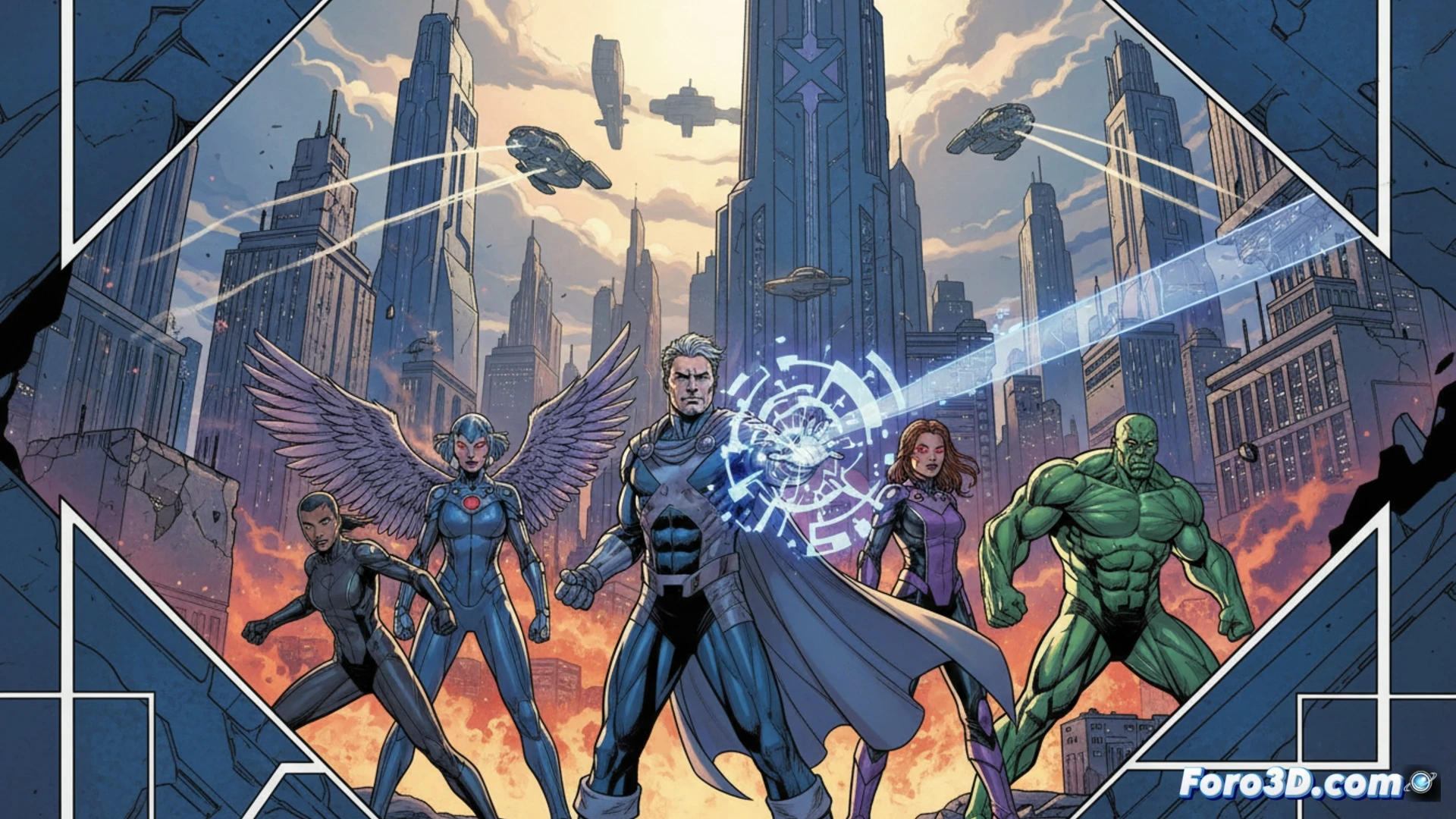
Art Direction: Visual Narrative in Comics and Video Games 🎨
Steranko's work in just two issues demonstrates the impact of a visionary lead artist. His pages broke the traditional structure, using cinematic angles, intense emotional expressions, and a dynamism that told the story by itself. In video game development, this translates to the art director's role: defining a palette, a visual language, and a composition that guide the player's emotional experience. Steranko prioritized visual impact and narrative clarity in every panel, something parallel to designing key scenes, interfaces, or gameplay moments in a game. His style not only decorated but directed attention and defined the tone, elevating mediocre narrative material, just as exceptional art can make an unforgettable game with a predictable story.
When Art Lays the Foundations for a Renaissance 🔄
This volume functioned as a visual reset that allowed the subsequent qualitative leap with Neal Adams. In video games, we see similar phenomena: a radical artistic change can rejuvenate a stagnant franchise. The lesson is clear: investing in strong and distinctive art direction is not an expense, but a fundamental strategy. It defines identity, endures in collective memory, and, as Steranko demonstrated with the X-Men, can be the pillar on which a saga's future success is built, regardless of the medium.
How can video game developers apply principles from Steranko's sequential art, such as visual dynamism and disruptive graphic narrative, to redefine and revitalize an established franchise?
(P.S.: shaders are like mayonnaise: if they curdle, start everything over again)