Development for classic hardware like the Sega Dreamcast has found an unexpected ally in Blender. The Spiral engine allows using this 3D modeling software as the core of a complete development pipeline, exporting models and data directly to the console hardware. This eliminates technical barriers and allows creators and small studios to focus on game design and programming. A tangible example is Soul Blaze, an indie title developed with this tool, demonstrating that creating for retro platforms is more accessible than ever.🎮
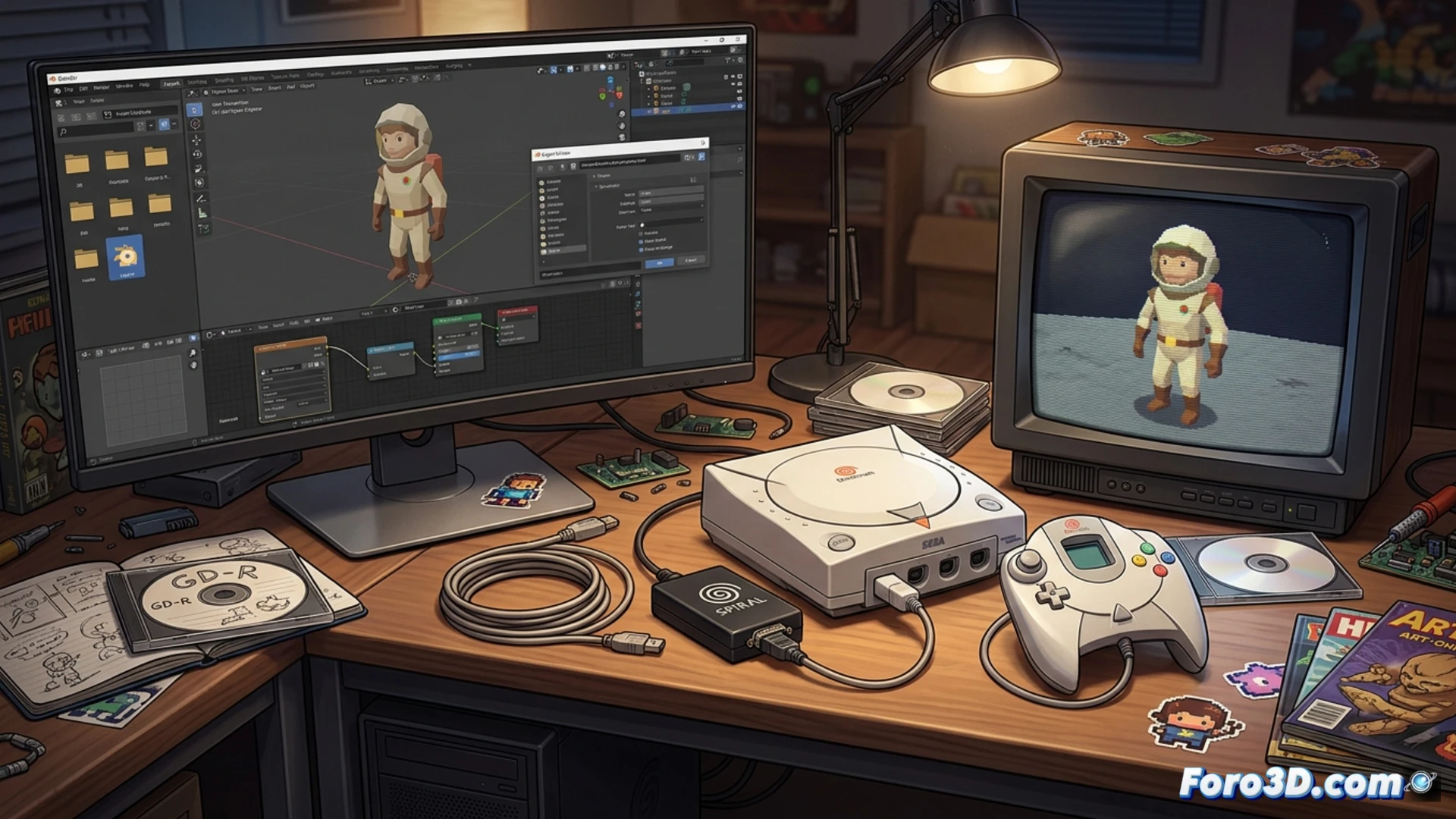
Blender as the central interface of the development pipeline⚙️
The key to Spiral is its deep integration with Blender. Developers can build complete scenes, animations, and geometries within the familiar Blender environment, and then export them in a format optimized for Dreamcast performance. This workflow turns Blender into much more than an asset creation tool; it becomes the game's main editor. Additional programming, necessary for logic and user inputs, complements this visual base. This practical approach reduces the learning curve and speeds up iteration, as changes to the model are directly reflected in the console project.
Reviving classic hardware with modern tools🔧
Projects like Spiral and games like Soul Blaze represent more than a technical achievement. They are a testament to an active community that keeps the legacy of retro hardware alive through modern indie development. This tool not only preserves but also expands the creative possibilities of the console, democratizing access to a fascinating development niche. It shows how the combination of accessible software and shared knowledge can open new chapters for platforms that have been with us for decades.
How is Spiral democratizing indie development for Dreamcast by using Blender as the central asset creation tool?
(P.S.: 90% of development time is polishing, the other 90% is fixing bugs)