Sony Pictures Animation has unveiled the technical details behind KPop Demon Hunters, revealing how its innovative character animation approach aims to resonate worldwide. The focus is on the design of the character Rumi, winner of an Annie Award, whose facial system called Chibi allows for a range of exaggerated and stylized expressions. This development is not just an artistic achievement, but a technical solution designed to overcome cultural barriers and communicate emotions immediately and universally to the audience.
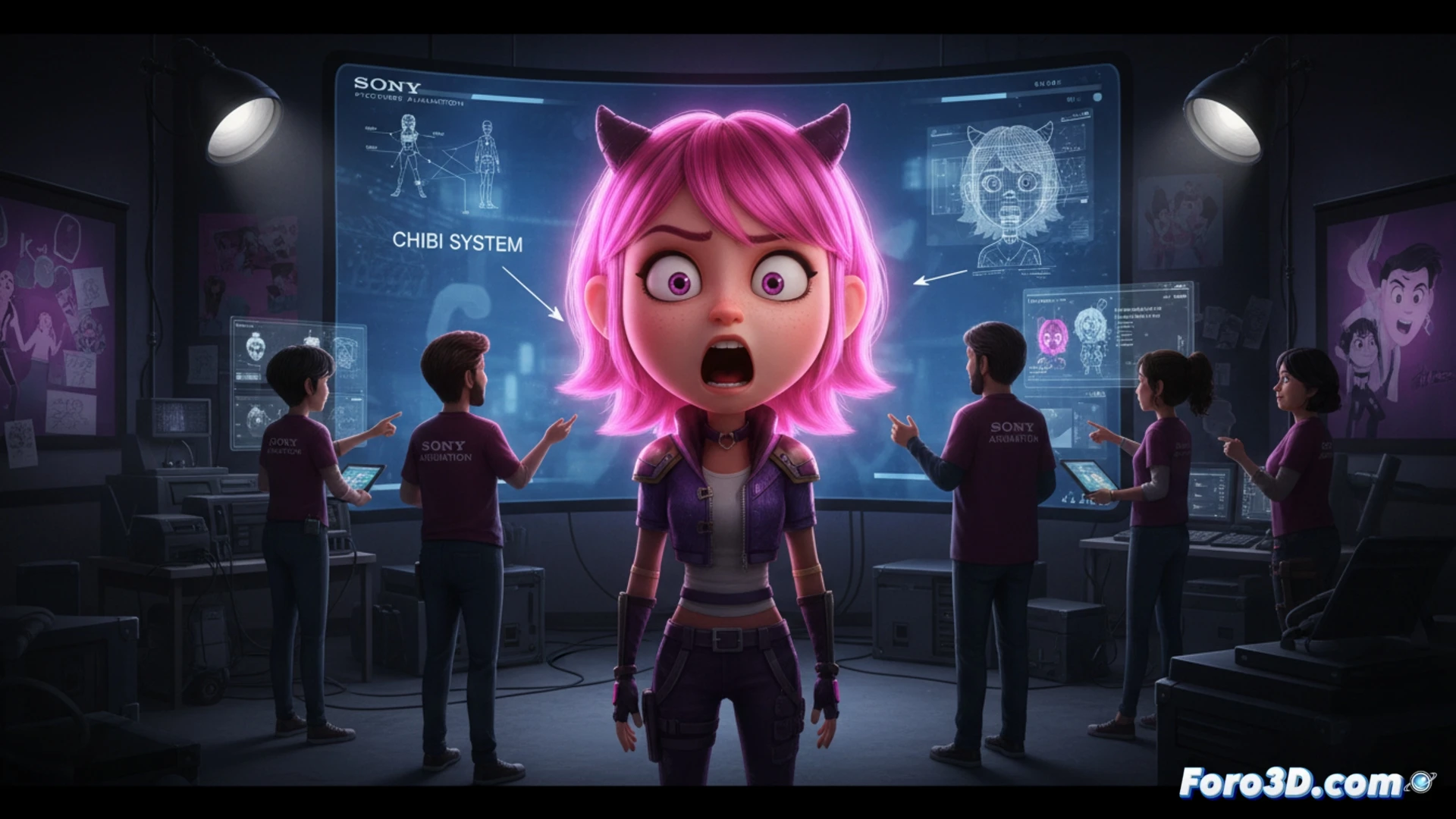
Technical Anatomy of the Chibi System: Control, Layers, and Communication 🎛️
The Chibi system functions as a highly specialized facial rig that prioritizes emotional clarity and intensity over anatomical realism. Sony's artists developed a set of controls that allow exaggerating specific features, such as eyes and mouth, to degrees that would be impossible on a human face, but that feel organic within the film's style. This layered approach separates skin deformation, lip sync, and eye acting, giving animators precise control to blend pure expressions and create micro-gestures that maintain legibility even in the most chaotic action sequences.
Exaggeration as a Universal Language in Animation 🌍
The success of the Chibi system reaffirms a fundamental principle in character animation: controlled stylization is often more powerful than realistic mimicry. By opting for an exaggerated visual language, the artists build a direct emotional bridge with the viewer, where the character's intention is never lost. This case study demonstrates that technical innovation, when in service of narrative and emotional connection, can define a character's soul and become the key to making a local story transcend borders.
How does Sony's Chibi system redefine exaggerated facial animation to create characters with universally comprehensible expressions that transcend cultural barriers?
(P.S.: Animating characters is easy: you just have to move 10,000 controls to make them blink.)