Sharing a bed leads to more sleep interruptions than sleeping alone, with an average of up to six brief awakenings due to the partner's movements. These episodes are usually forgotten and do not greatly affect the perception of having rested. The conflict arises when there is snoring or insomnia, leading some couples to sleep separately. Experts indicate that it is better to treat the underlying problems before viewing this separation as a failure.
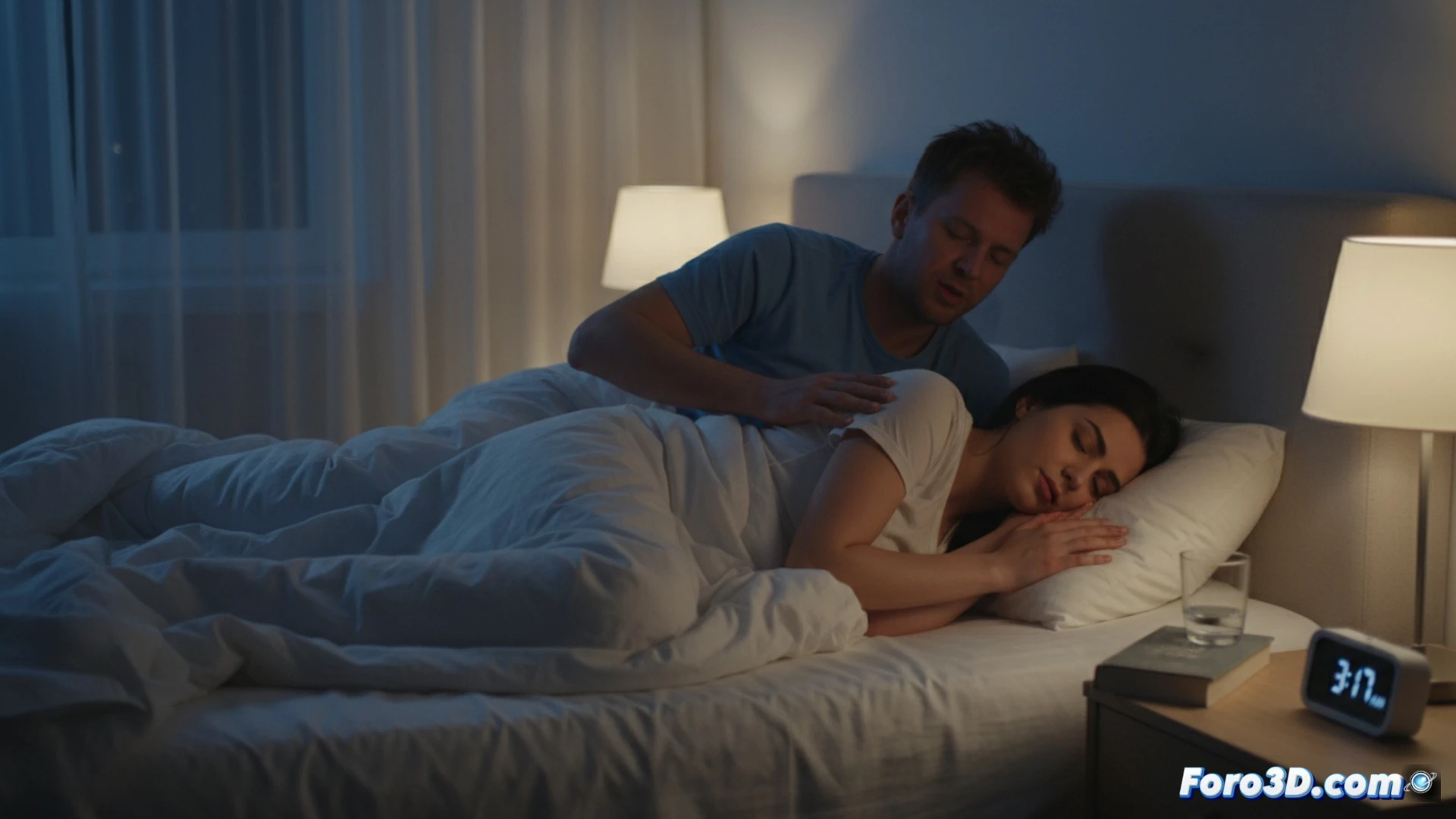
Sensors and algorithms to quantify nocturnal restlessness 🔍
Technology allows monitoring these phenomena with precision. Wearable devices and smart mattresses use accelerometers and pressure sensors to record movements and sleep cycles. The data is processed with algorithms that differentiate between individual and synchronized awakenings. This objective information helps identify problematic patterns, such as the correlation between snoring (detected by microphone) and increased movements, facilitating a clearer diagnosis to seek solutions.
The hibernation protocol in solo mode: a desirable feature? ⚙️
Faced with the impossibility of applying a firmware patch to the snoring partner, some users try the independent bedroom setting. This mode, although effective in reducing interruptions, presents social bugs, such as the need for strange morning reconnection protocols. It is a system that prioritizes the stability of the rest process over parallel execution on the same bed core. The beta testing is long and coexistence manuals do not include troubleshooting for this.