Skoda has announced important updates for its electric vehicles Elroq and Enyaq in 2026, highlighting the switch to more economical LFP batteries. Beyond the specifications, these improvements represent a technical integration challenge where 3D tools are fundamental. Digital modeling and simulation allow the development and validation of the architecture of these new systems before physical production, optimizing their performance and reliability.
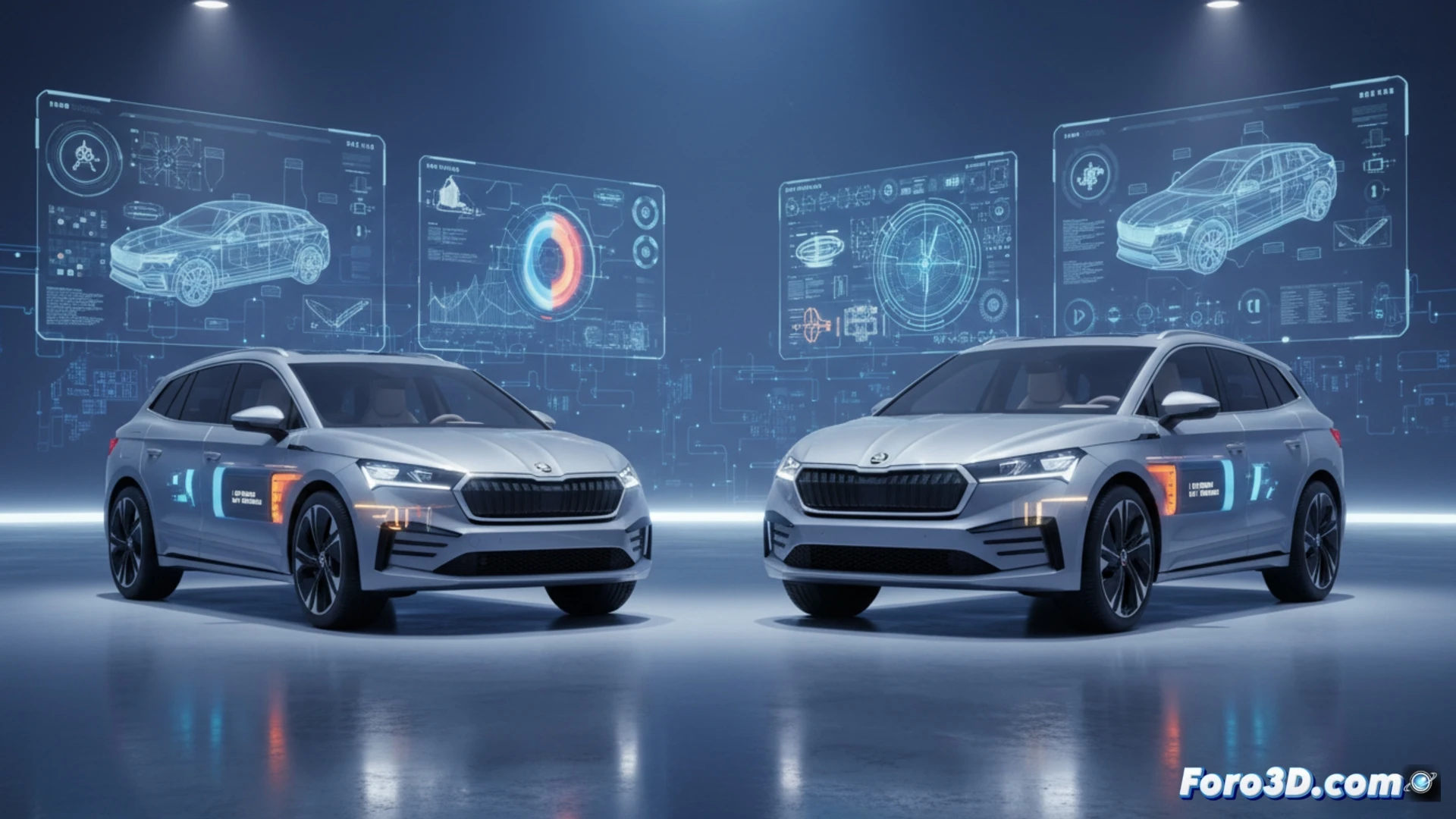
3D Modeling and Simulation: Keys to the New Electric Architecture 🛠️
The integration of the new lithium iron phosphate (LFP) batteries, with their different thermal and charging behavior, requires precise 3D modeling of the pack and its cooling system. Computational simulation is vital for predicting their efficiency and lifespan. Likewise, the development of the renewed multimedia system and the controllers that manage two-level regenerative braking and the V2L function benefits from embedded systems simulation environments, allowing virtual testing of software and hardware.
The Future of Automotive Development is Digital 🚀
These Skoda updates exemplify how real innovation is no longer just mechanical, but in integrated systems. Design and validation through 3D modeling and simulation have become essential to manage the complexity of electric vehicles, reduce development times, and ensure that every new module, from the battery to the user interface, functions in perfect harmony with the entire vehicle.
How does 3D modeling and simulation influence the integration of the new LFP batteries and the optimization of space and safety in the Skoda Elroq and Enyaq 2026?
(P.S.: at Foro3D our cars have more polygons than horsepower)