Probiotic treatment customization takes a leap forward thanks to computational simulation. Researchers have developed metabolic models that, by analyzing an individual's microbiome, predict with 75-80% accuracy whether a specific bacterial strain will establish itself in their gut. This tool, which also anticipates the production of beneficial metabolites, represents a direct application of the principles of 3D biomedicine, where the simulation of complex biological systems is key to advancing toward more effective and tailored therapies.
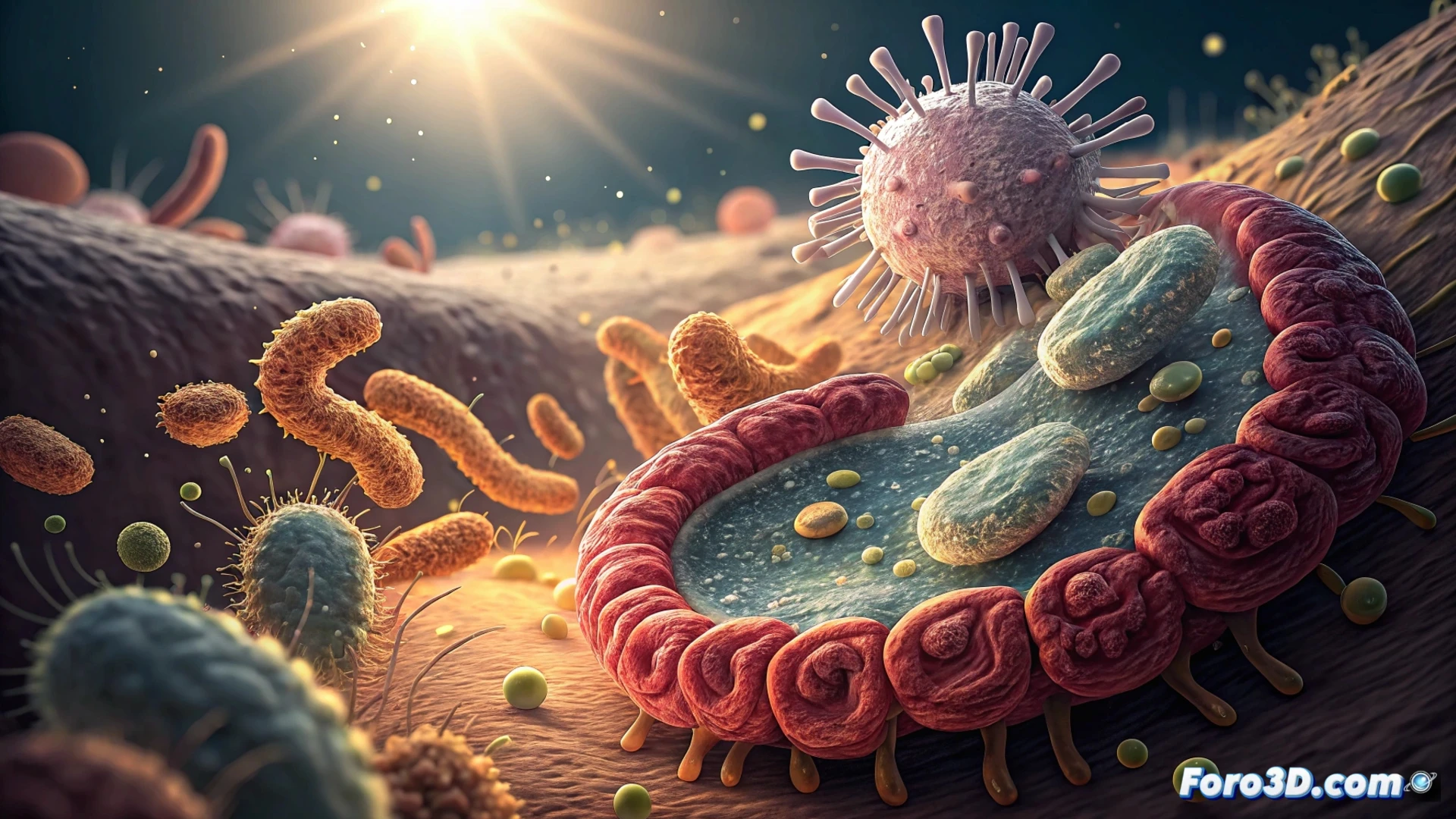
Metabolic modeling: the core of computational prediction 🔬
The technique is based on computational models of bacterial metabolism. These simulate the biochemical reaction networks of native gut bacteria and introduced probiotics. By inputting an individual's microbiome composition, the system calculates nutrient competition and predicts the growth and activity of new strains. Validated with data from studies on diabetes and infections, the model not only accurately predicts colonization but also forecasts increases in short-chain fatty acids, compounds crucial for gut health. This approach turns complex data into actionable predictions.
Future integration with 3D anatomical models 🧠
Although promising, the current model only evaluates short-term changes, and long-term establishment remains a challenge. The future lies in integrating these metabolic simulations with detailed 3D anatomical models of the digestive tract. Combining bacterial population dynamics with the geometry, flows, and local conditions of the gut would enable an unprecedented comprehensive understanding. This convergence is the horizon of 3D biomedicine: visualizing and simulating the interaction between the microbiome and host in a virtual environment that reflects real biological complexity.
How can computational models and 3D printing of personalized intestinal tissues customize probiotic treatments to maximize their colonization?
(P.S.: and if the printed organ doesn't beat, you can always add a little motor... just kidding!)