The upcoming release of SHINONOME ABYSS: The Maiden Exorcist for Switch and PC is not just a new installment, but a case study in the evolution of roguelike design. Building on a previous title, the developers have systematically expanded the content and refined the mechanics based on community feedback. This article breaks down the technical and design decisions that define this horror experience, where tactical management of limited resources and adaptation to changing environments are key to survival.
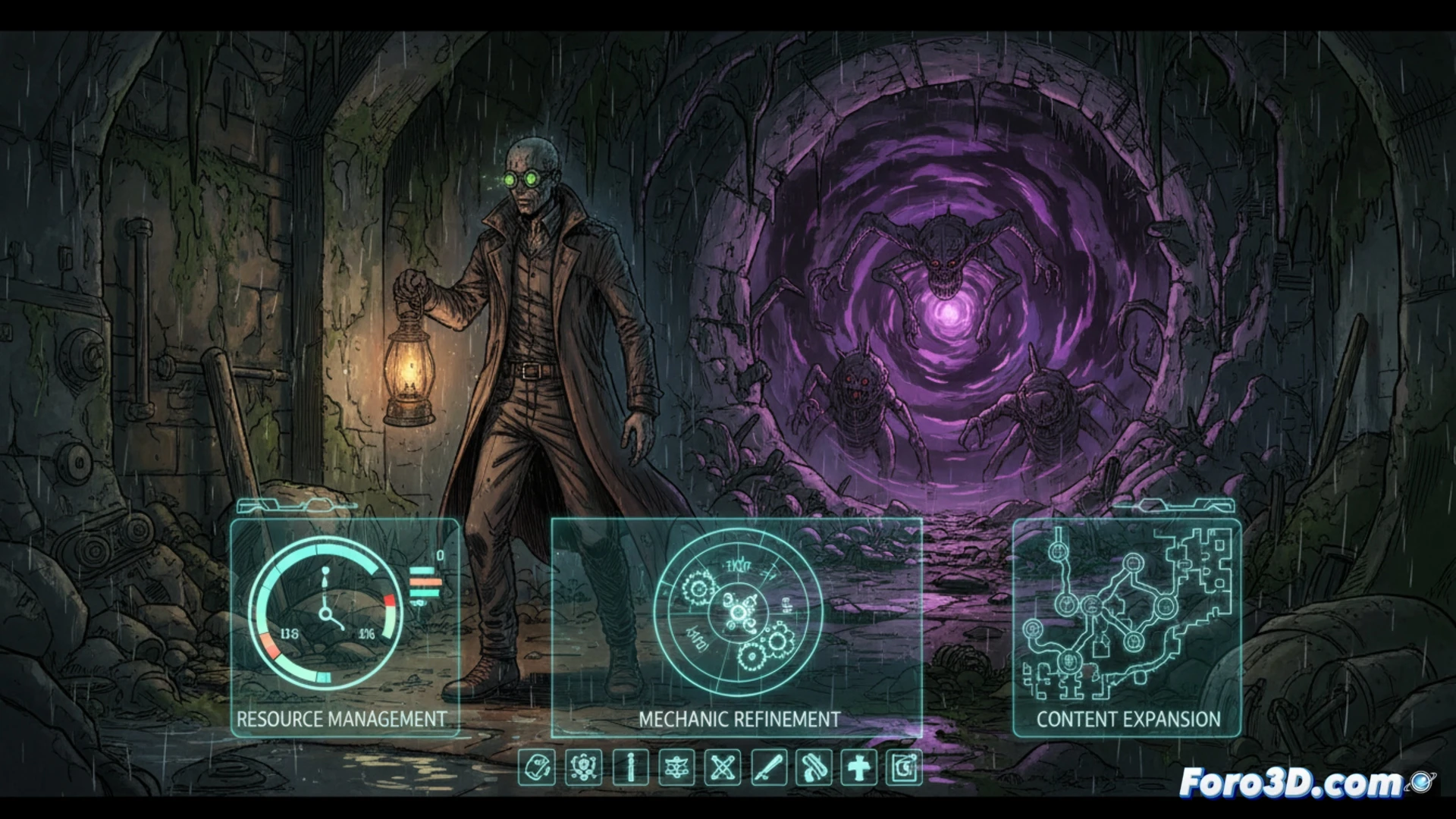
Core Mechanics and Iterative Systems Design 🔄
The core of the game lies in three interconnected technical pillars. First, procedural map generation, which varies between modes, demands an object and enemy systems design that ensures balance in any random configuration. Second, the protagonist Yono's transformation is a high risk/reward resource that dynamically modifies stats and abilities, requiring fine tuning to avoid breaking the tension. Third, integrating the environment as an active tool promotes emergent gameplay. The expansion with more enemies, traps, and objects demonstrates iterative development, where new elements are not added randomly but must integrate into this systemic ecosystem to increase strategic depth without overwhelming the player.
Lessons in Player-Oriented Design 👥
The structure of three experience modes (Harai, Misogi, Gyou) is a direct response to different player profiles. This technical segmentation allows categorizing the difficulty and commitment required, from narrative and puzzles to pure hardcore. It is a clear example of how user feedback can guide development toward greater accessibility and variety without diluting the central vision. The result is a title that not only expands its content but refines its gameplay architecture to offer differentiated experiences within the same mechanical framework, a valuable lesson in user-centered design.
How does SHINONOME ABYSS implement procedural level generation to maintain tension and horror in a roguelike without sacrificing environmental narrative?
(P.S.: game jams are like weddings: everyone happy, no one sleeps, and you end up crying)