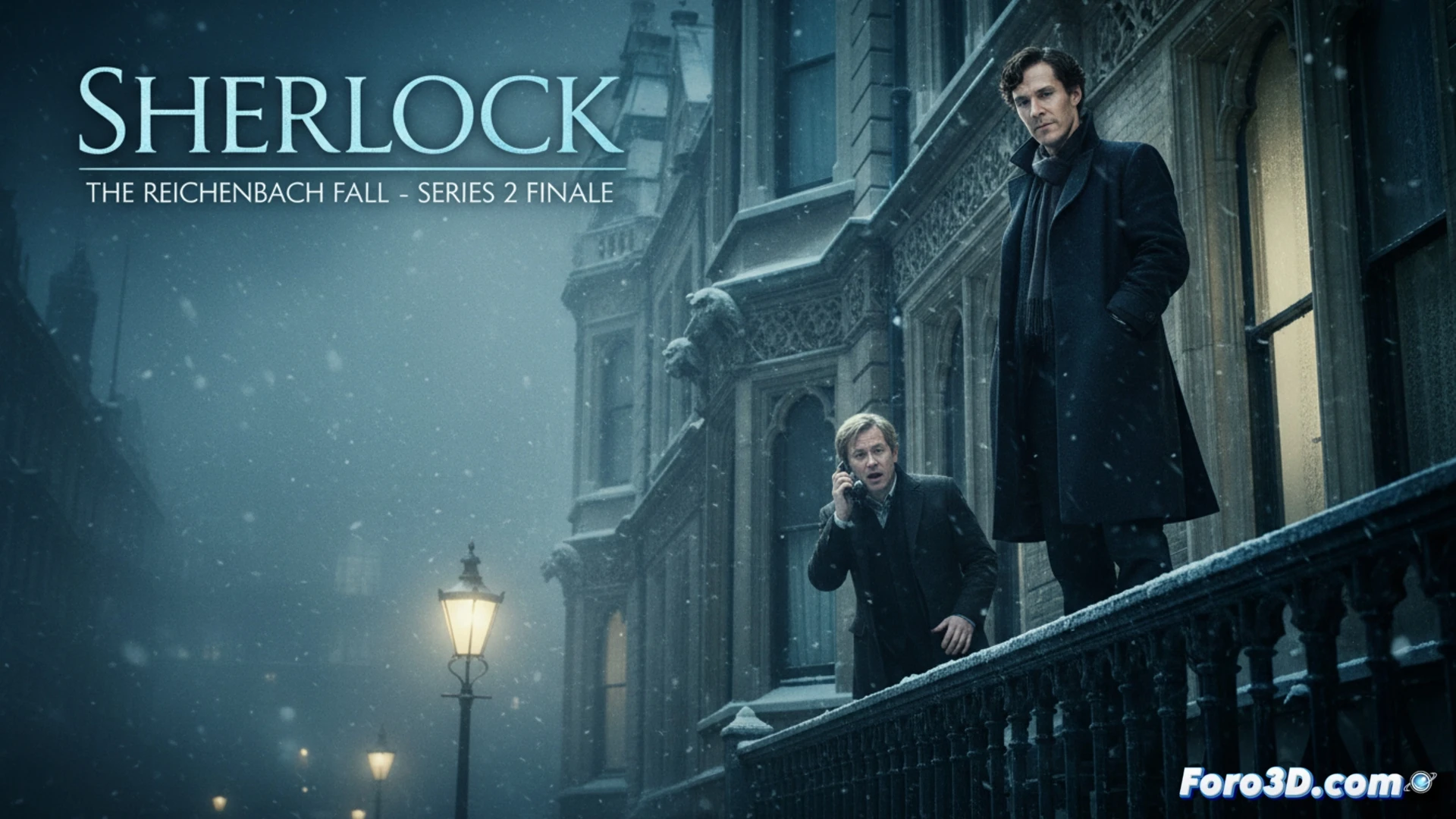
The Sherlock series by the BBC marked a before and after in detective adaptations. With a modern approach, an agile tone, and a distinctive visual direction, the first two seasons were acclaimed. However, the decline began after its peak. Seasons three and four introduced forced twists and a convoluted plot that alienated a significant portion of its audience.
When the script loses coherence: plot development errors 🕵️
The central technical problem was the writing. Holmes' resurrection in the third season lacked a solid explanation, a setup failure that generated distrust. In the fourth, the introduction of Eurus Holmes acted as a deus ex machina, forcing a rewrite of the established story. This created plot holes and broke the internal consistency of the main character, prioritizing momentary impact over an organic narrative.
The final mystery: where did the screenwriter go? 🔍
The greatest enigma was not solved by Sherlock, but by the viewer: trying to understand how we went from brilliant deductions to a secret brother with superhuman abilities who lived in a high-tech underground prison. The plot became so intricate that even the detective himself would need an extra episode just to explain the screenwriters' motives. It was a clear case of narrative overengineering.