A study in Environmental Pollution analyzed the blood of 85 sharks near Eleuthera island in the Bahamas. The results indicate that 28 specimens from three different species showed contaminants such as caffeine, painkillers, and in one case, cocaine. The main source would be human activity, from wastewater to divers, affecting even juveniles. The research also found alterations in metabolic markers of the exposed animals.
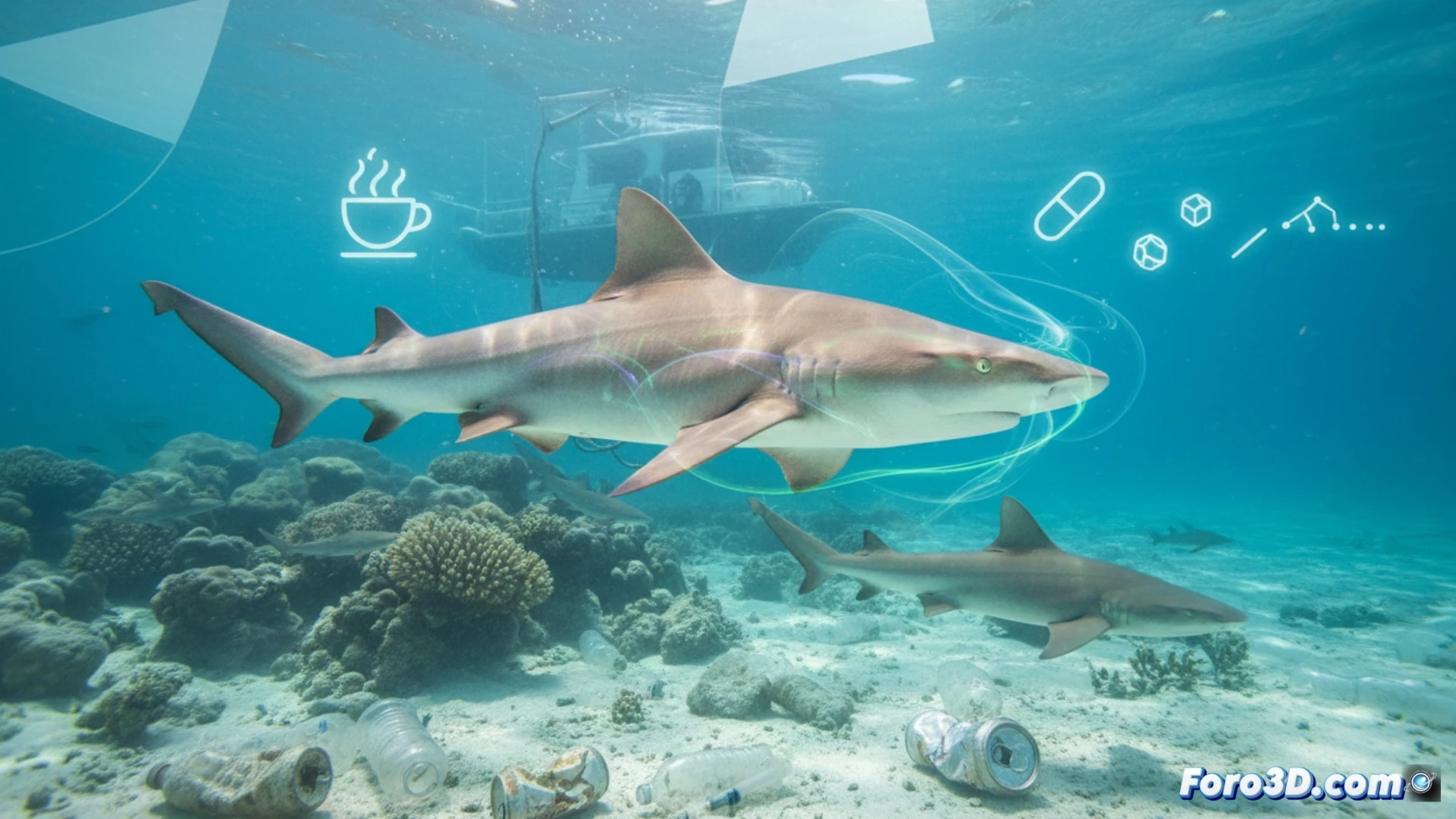
The human chemical footprint and its detection in wildlife 🧪
The study used liquid chromatography and mass spectrometry to identify traces of contaminants in blood plasma samples. This methodology allows detecting minimum concentrations of multiple compounds. The changes recorded in metabolites such as lactate and urea suggest a physiological response to chemical exposure. The technique shows how anthropogenic contaminants persist and become bioavailable in marine predators, serving as an indicator of environmental pollution.
Detox plan for sharks: no urine or discharges, please 🦈
It seems that some Bahamian sharks have adopted a quite urban lifestyle. With caffeine to start the day, painkillers for jaw pain, and the occasional cocaine hit, their bloodstream reflects our own habits. The next time a diver feels the need to relieve their bladder on the reef, they might want to think twice: it's not polite to share the personal chemical cocktail with the local wildlife.