In the dark universe of Spawn, issues 72 to 75 introduced S-Heap, a tragic creature formed from waste and decomposing organic matter. Beyond its brutal confrontation with the Rapist, its conception as a being born from injustice and driven by a vague consciousness offers a goldmine for video game design. Analyzing S-Heap not as a simple monster, but as a complex narrative asset, reveals valuable lessons for creating memorable and meaningful enemies in our projects.
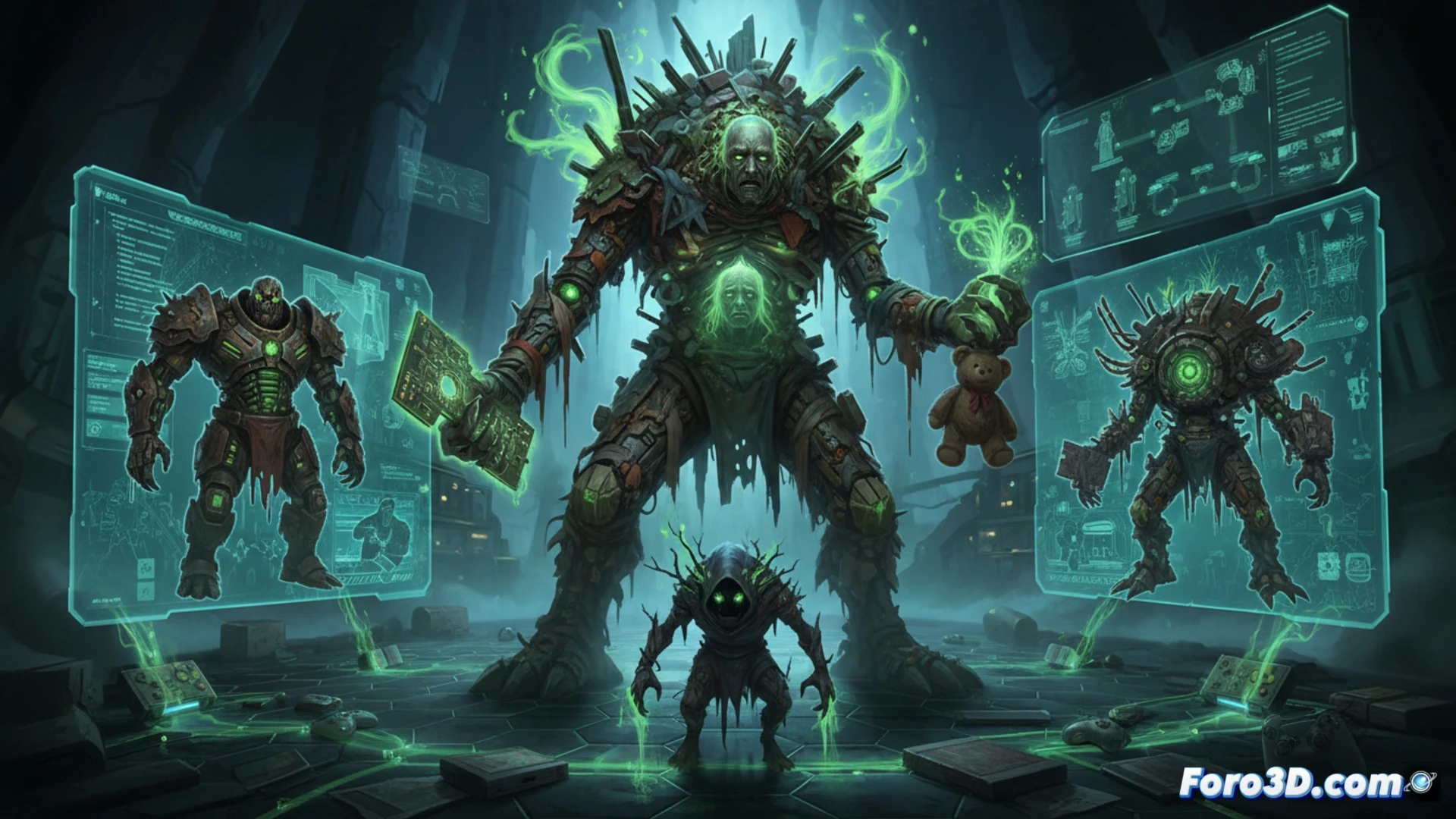
Character design and game mechanics inspired by S-Heap 🎮
The essence of S-Heap lies in its composite and decomposing nature. Translated into game mechanics, this could materialize as a boss or enemy with battle phases defined by its deterioration. Initially, it might be slow but resistant, using attacks with hooks and metal scraps. Upon taking damage, its outer layer of trash would peel off, revealing a faster and more aggressive organic form, but also more vulnerable. Its environment could interact with it, allowing it to regenerate health by crawling through waste areas. Visually, its design is a lesson in environmental storytelling: every scrap that composes it tells the story of the place and its origin, a powerful technique for enemies or scenario creatures.
Tragedy as the core of a memorable enemy 😔
What elevates S-Heap from mere obstacle to impactful character is its inherent tragedy. In a video game, facing such a being adds emotional layers. Is the player a vigilante who must end its suffering, or do they unwittingly become another executioner? Its vague consciousness and moment of redemption could translate into non-combat mechanics, such as dodging its attacks until a flash of humanity paralyzes it, offering an alternative path to "defeat" it. Integrating this thematic weight transforms a boss encounter into a narrative moment, reminding us that the best antagonists are those whose defeat, necessary or not, leaves a bitter and reflective aftertaste.
How can game mechanics be implemented that reflect the tragic nature and mutable composition of a character like S-Heap, turning its lore into unique playable dynamics?
(P.S.: shaders are like mayonnaise: if they curdle, you start all over again)