The action roguelike Rustil: Eternal Labyrinth Castle will leave behind its early access and arrive at its full version on March 13 next on Steam. Developed by KIC Games, this official release marks an important milestone, incorporating a story mode that provides context to the adventure of the protagonist Rustil and her guide fairy, Kotryn. The 1.0 update promises substantial content, including a new futuristic-themed floor, an additional playable hero, and significant technical improvements, consolidating the proposal of a game that combines intense combat, procedural exploration, and recruitment mechanics.
Content and Technical Mechanics of Version 1.0 🛠️
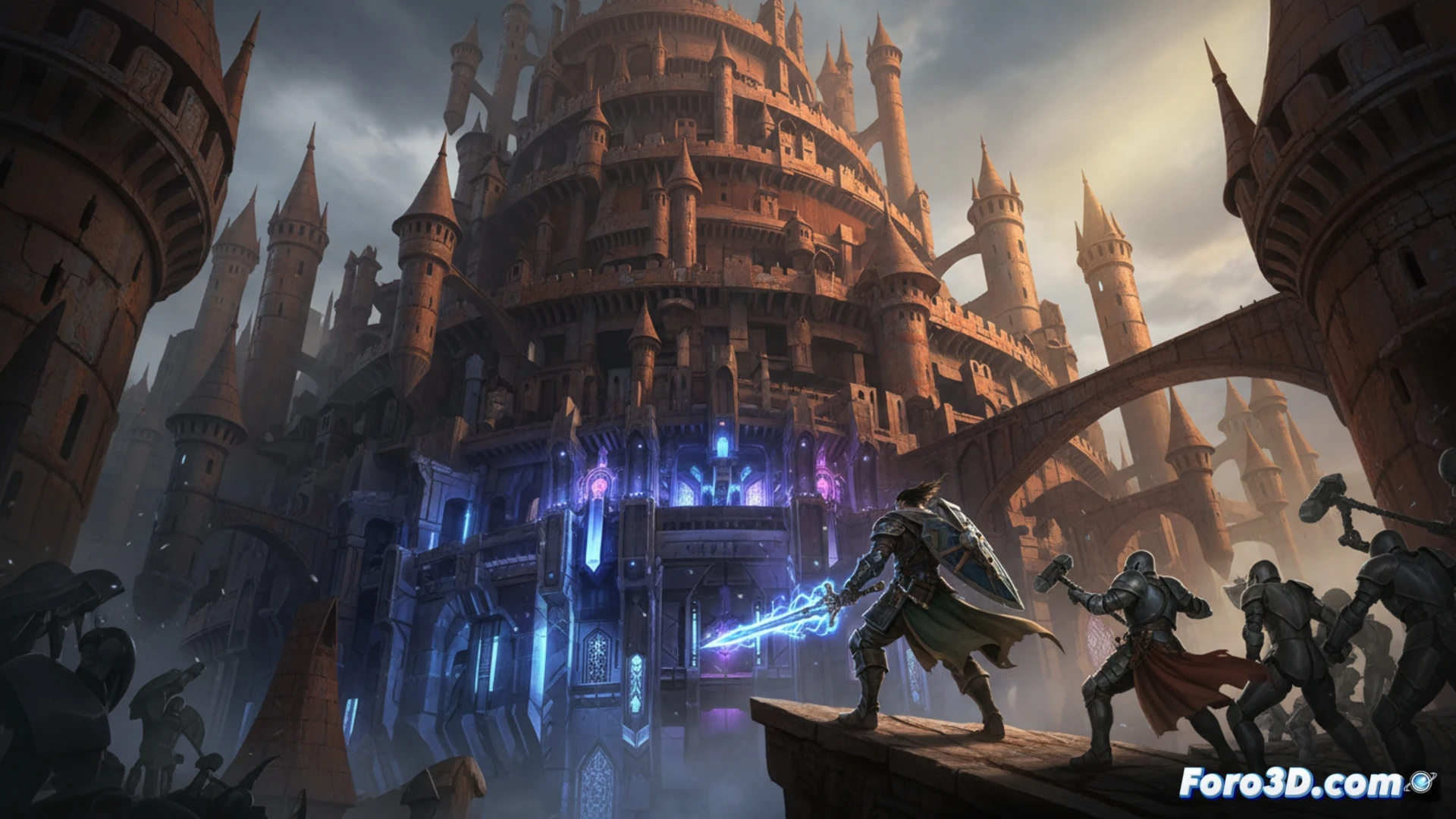
Version 1.0 introduces key elements that expand the gaming experience and its technical design. The new story mode structures the narrative around the exploration of a labyrinth castle inhabited by heroic souls. In terms of content, the Ruined City floor stands out, a procedural environment with a futuristic aesthetic and robotic enemies that modifies the challenge palette. Technically, the hero Zera Linfa is added, specialized in production and modification, offering a strategic and support playstyle. Additionally, a complete artistic overhaul of the Juke Forest area has been done and visual improvements to the characters, demonstrating an evolution of the asset art during development. The roguelike core remains with combat based on weapon styles, procedural dungeon generation to obtain equipment, and the unique mechanic of recruiting defeated monsters.
The Path from Early Access to Final Launch 🚀
Rustil's journey from early access to this 1.0 launch exemplifies a modern development cycle, where community feedback is integrated into the product's evolution. The inclusion of a safe mode for a more casual game reflects a conscious consideration to broaden accessibility without compromising the depth of the roguelike core. This launch not only delivers a complete product but also serves as a case study on how to expand a game world, refine its systems, and polish its technical and artistic aspects to satisfy both hardcore and casual players.
How has the use of Rust influenced the development of Rustil: Eternal Labyrinth Castle in key aspects such as performance, memory safety, and concurrency during its early access stage?
(P.S.: 90% of development time is polishing, the other 90% is fixing bugs)