Just as popular manga series like Demon Slayer or Kaiju No. 8 concluded abruptly, in video game development it is common to find titles whose narrative or gameplay ending feels rushed and unsatisfactory. This phenomenon, which leaves the player with a feeling of emptiness and loose ends, is not accidental. It is usually a symptom of deep problems in planning, scope management, or production pressures. Analyzing these failures is crucial to improve narrative quality and user experience in our projects. 📚
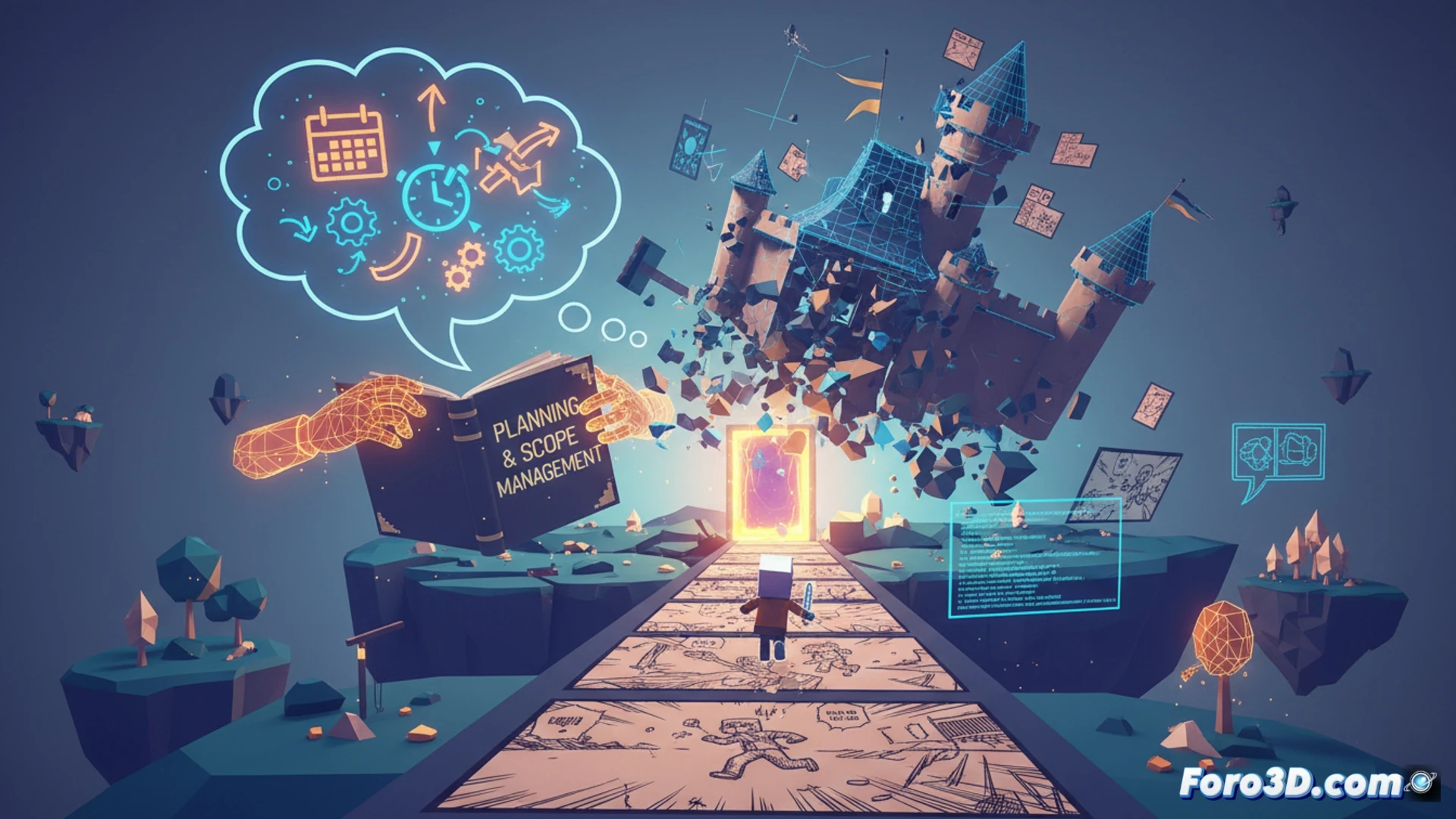
Production pressures and narrative cuts: the third act syndrome ⏳
In development, the final game is usually the most critical area prone to cuts. The causes are technical and managerial: exhausted development cycles, overrun budgets, or poor content planning. The team, prioritizing polishing the initial levels to hook the player, arrives exhausted at the final stretch. This results in repetitive final missions, bosses with simplified phases, or narrative endings that resolve complex plots in simple cinematics. Games that were praised at their start but criticized for their ending are clear examples of this syndrome, where the pressure to close the project triumphs over artistic coherence.
Planning the ending: narrative and gameplay integration 🧩
The solution lies in comprehensive planning from the conceptual design. The final arc must be defined from the beginning, not as an appendix. It is vital to allocate specific resources and time for its production, progressively integrating its mechanics and narrative throughout development. Conducting playtests focused on the climax and ending is essential to adjust the pace and difficulty. A memorable ending is one that respects the time invested by the player and satisfactorily closes both the core mechanics and the stories of its characters.
How can we apply the lessons from rushed manga endings to plan and execute the narrative and content closure of a video game under commercial pressure?
(P.S.: shaders are like mayonnaise: if they break, you start everything over)