The recent exclusion of Bishop and Multiple Man from the new X-Force team in the comics is not just an editorial decision. For a game designer, it is a pure case study on roster building. The selection of characters, their unique abilities, and their pre-existing relationships define the game mechanics and narrative branches. This news reflects the same critical process behind titles like Marvel's Midnight Suns or X-Men Legends, where each inclusion or cut deeply alters the interactive experience.
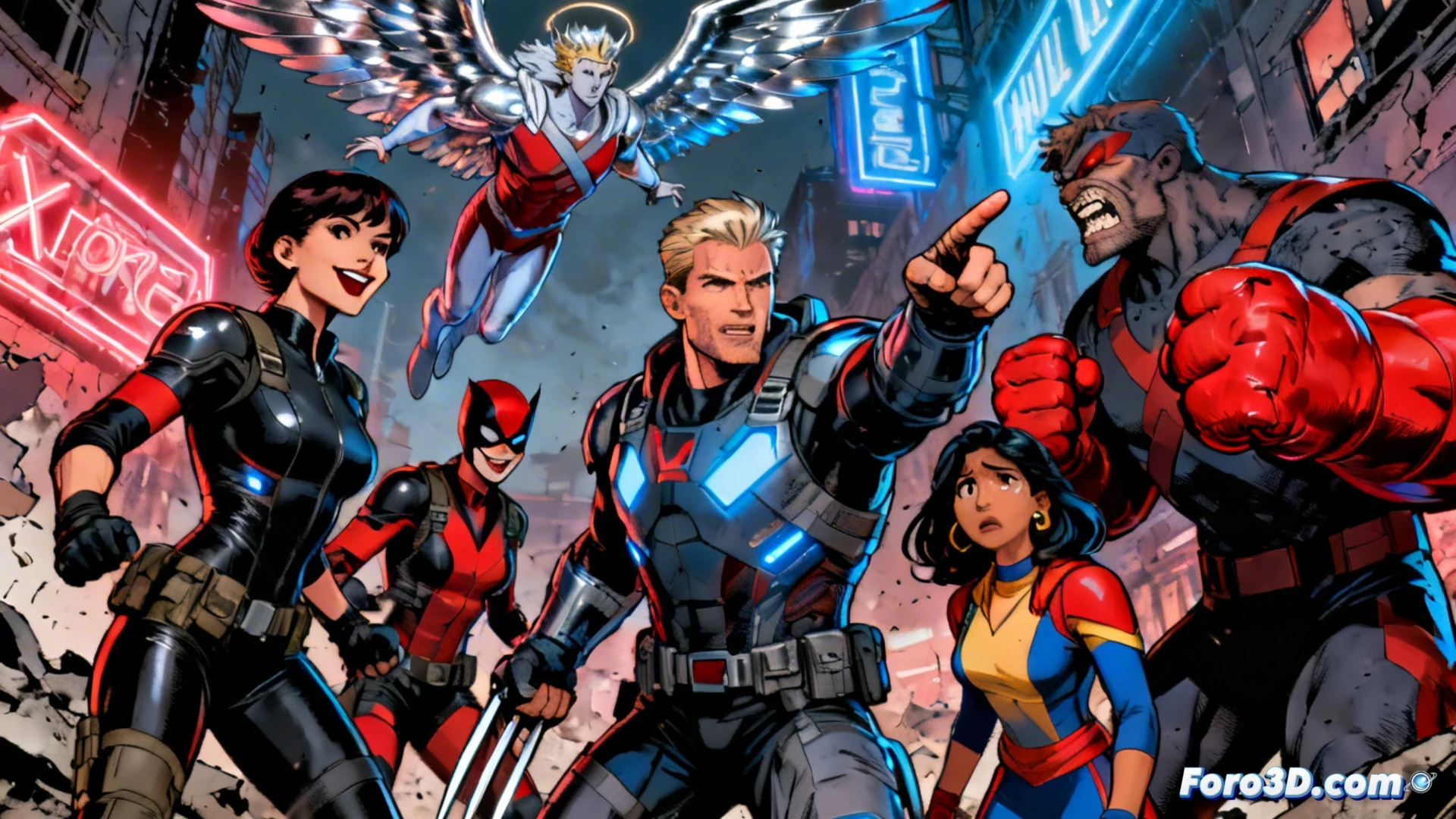
Lost Mechanics and Synergies: Game Design Analysis 🎮
In terms of game design, the absence of Bishop and Multiple Man eliminates key potential mechanics. Bishop, with his ability to absorb and redirect energy, suggests counter or power accumulation gameplay. Multiple Man offers cloning, crowd control, and simultaneous exploration mechanics, ideal for puzzles or tactical combat. Their exclusion forces the writer, or the designer, to rebalance the team. Archangel, Domino, and Hellverine prioritize direct damage, probabilistic luck, and berserker rage, shifting the balance of a hypothetical turn-based strategy game. The narrative tension between Cable and Bishop, a classic resource for conflicting missions, is lost, simplifying the group's dynamic.
Lessons for the Narrative Designer 📖
The main lesson is that restrictions, whether editorial or technical, can define creativity. A designer must work with a limited roster and make the most of each element. The exclusion of popular characters forces a deeper exploration of the selected ones, uncovering less obvious facets. This is seen in games like XCOM 2, where each soldier, with unique abilities, must compensate for the team's shortcomings. Marvel's decision underscores that every choice in character design carries an opportunity cost in narrative and mechanics that must be justified in the final user experience.
Do you think this asset needs optimization or can it be left as is for mobile?