Revery: Babel positions itself as an ambitious project that seeks to cross the boundary between video games and cinematic animation. Using Unreal Engine 5, its stated goal is to achieve an Anime High Fidelity aesthetic, that is, to replicate in real-time the detailed and expressive visual quality of a 3D Japanese animated feature film. This approach turns the game into a fascinating technical case study on how modern tools can capture and render a very specific and highly demanded artistic style by players.
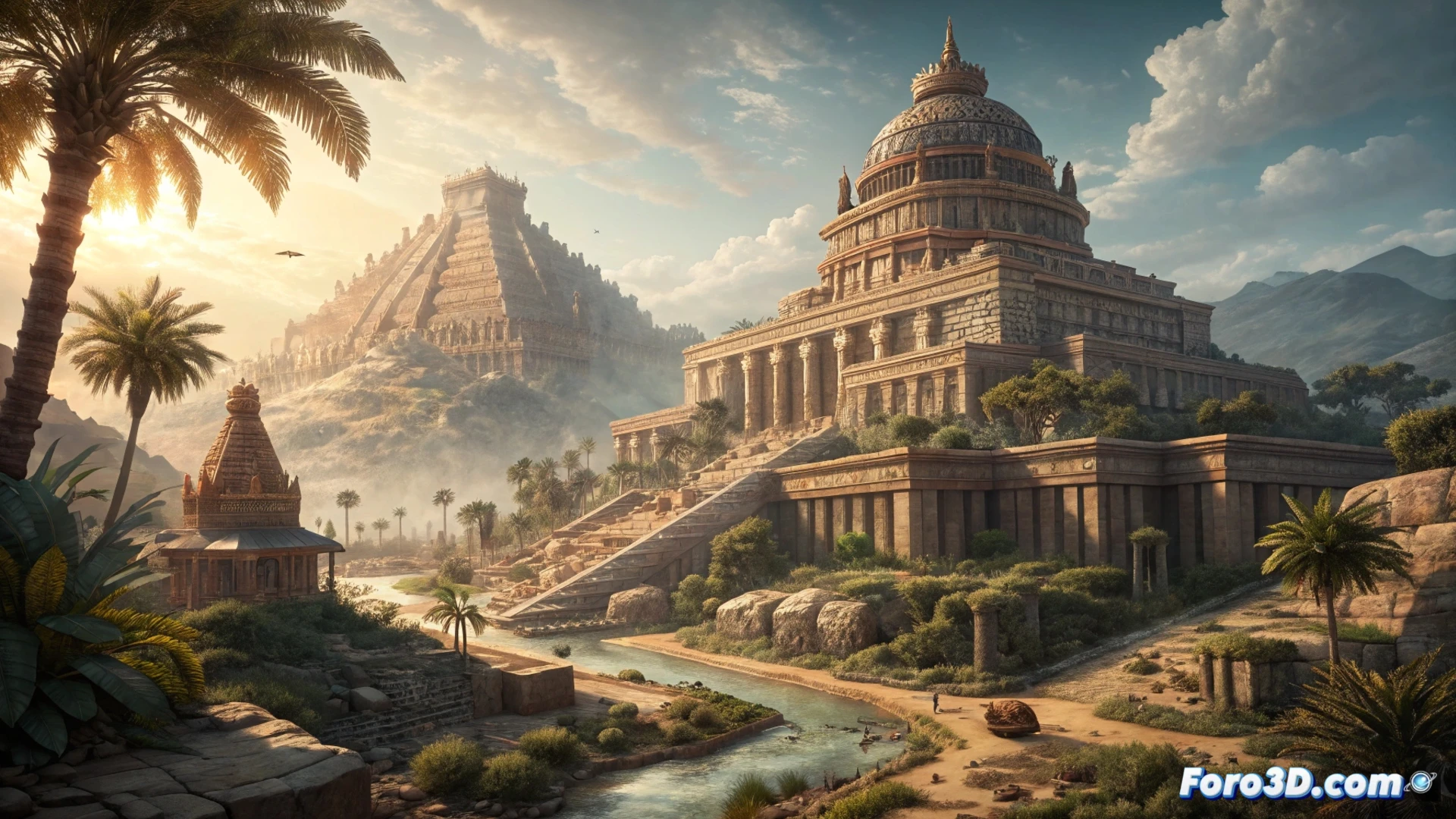
Production Pipeline: from 2D concept to real-time render 🎨
The workflow of Revery: Babel follows a traditional artistic pipeline but optimized with current software. The concept and art design phase is done in Clip Studio Paint, the standard tool for 2D manga/anime-style illustration, allowing precise definition of the color palette, expressions, and artistic direction. These designs are transferred to Blender for 3D modeling of characters and assets, leveraging its robust sculpting and topology tools. Integration and final rendering occur in Unreal Engine 5, where technologies like Lumen for dynamic global illumination and Nanite for virtually unlimited geometry are key. The main technical challenge lies in configuring materials, shaders, and lighting in UE5 to avoid a hyperrealistic look and preserve the flat stylization and vibrant colors characteristic of anime, without sacrificing cinematic quality.
UE5 as a bridge to interactive animation ⚙️
Revery: Babel exemplifies how Unreal Engine 5 is establishing itself as the preferred engine for projects aspiring to pre-rendered visual quality but in real-time. For developers, this project highlights the viability of creating interactive experiences with a strong, non-realistic visual identity, leveraging the advantages of an engine designed for high fidelity. The success of this approach could encourage more studios to explore advanced cel-shading and anime artistic styles, using UE5's lighting and post-processing tools to achieve that coveted movie look directly in the running game.
How is Revery: Babel using Unreal Engine 5 tools to overcome the technical challenges of real-time rendering an anime visual style with cinematic fidelity?
(P.S.: shaders are like mayonnaise: if they break, you start over)