Renfe has deployed a web viewer that goes beyond mere passenger information. It is an operational digital twin of its High-Speed and Long-Distance fleet, allowing monitoring of each train on an interactive map with real-time data. This virtual replica of the physical system not only shows locations but integrates the complete journey status, offering radical transparency and transforming the user experience and operational management.
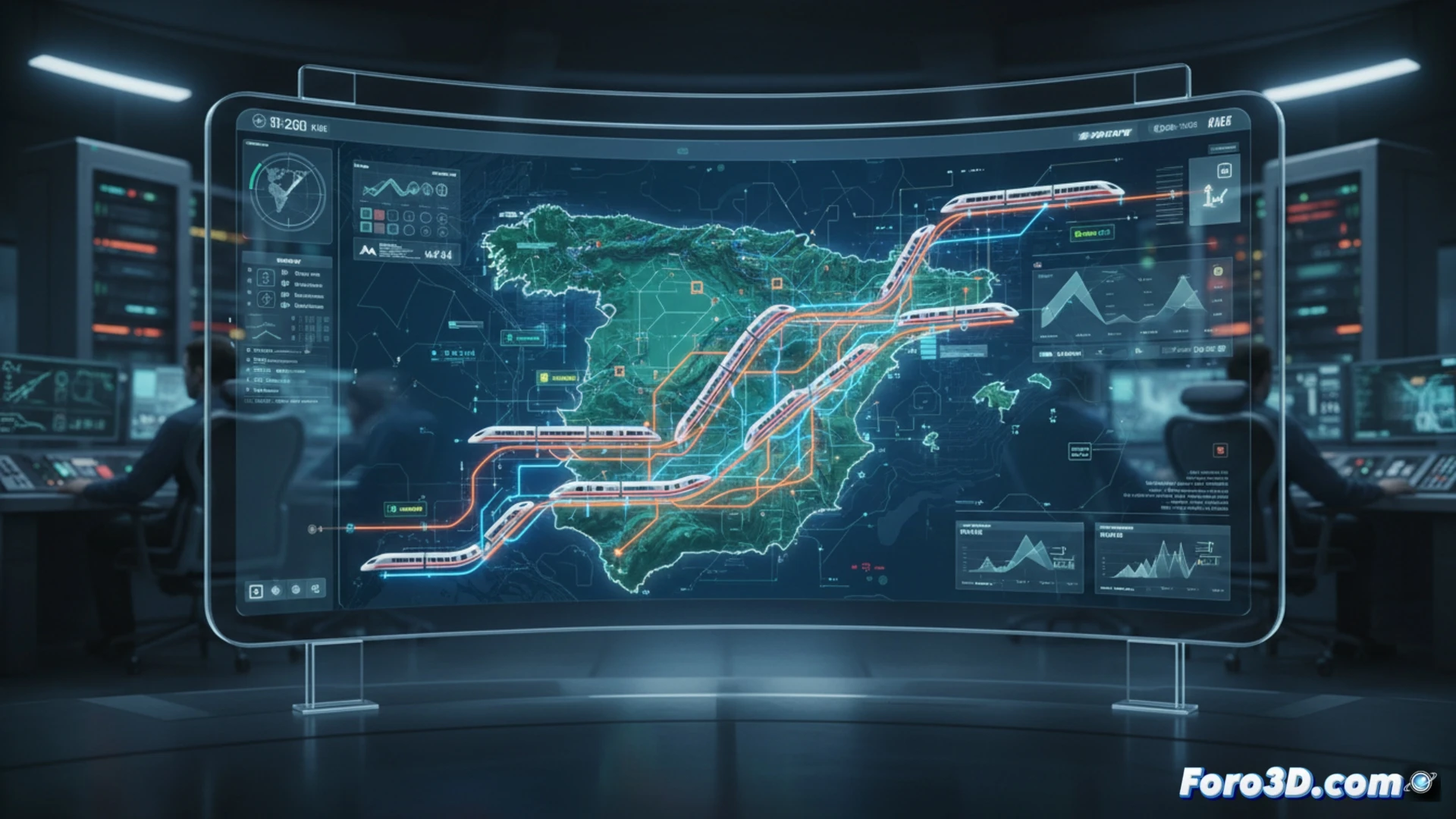
Architecture of a digital twin for mass transportation 🏗️
The technical infrastructure of this system involves the integration of multiple data streams. GPS devices on the trains send their position, which is cross-referenced with operational data from control systems: schedules, routes, and circulation status. A backend processes and fuses this information into a unified data model. Finally, an API feeds the web frontend, which visualizes the dynamic status on a map. The key is the continuous synchronization between the physical and virtual worlds, enabling simulation and analysis of the system's present.
From static information to dynamic simulation 🚄
This project marks a qualitative leap compared to static schedule boards. The digital twin transforms raw operational data into actionable knowledge for the traveler and the operator. Beyond the peace of mind it provides to the user, it lays the foundation for optimizing resources, predicting incidents, and planning maintenance. It is a tangible example of how digitalization creates more transparent, efficient, and people-centered ecosystems.
How can a real-time digital twin of a railway network transform operations management and predictive maintenance beyond passenger information?
(P.S.: don't forget to update the digital twin, or your real twin will complain)