The possible arrival of Red Dead Redemption 3 faces a fundamental development dilemma. Although Dan Houser, co-founder and key writer of the first two installments, believes that a third part will probably happen, he is no longer part of Rockstar Games. His absence, along with that of other historical members of the creative team, generates skepticism in the community. The main concern lies in whether the studio will be able to preserve the narrative and tonal essence that defined the saga without its original minds.
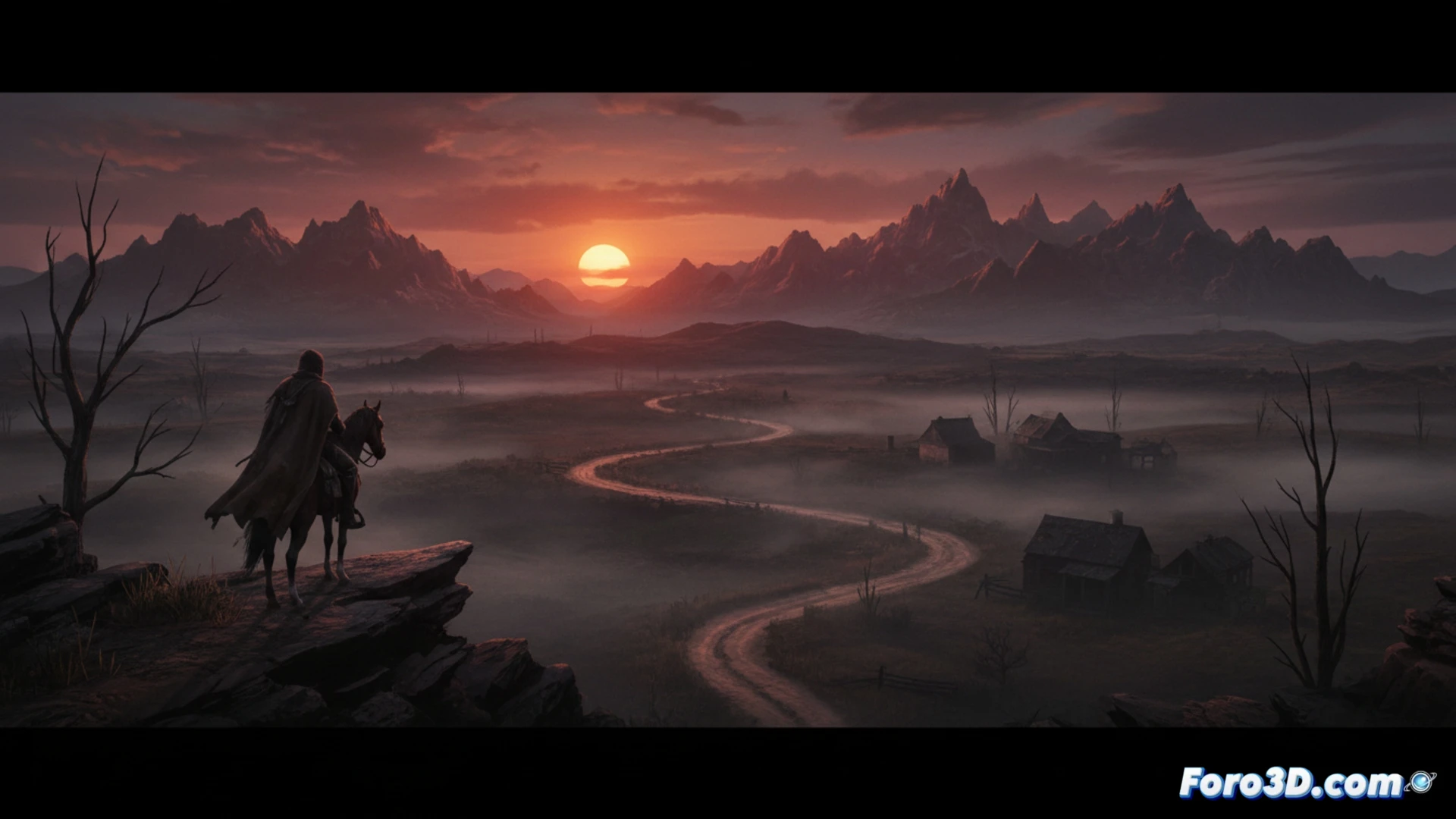
Narrative Architecture and the Risk of Losing Foundational Talent 🤔
In the development of AAA sagas, creative continuity is a critical pillar. Houser was not just a writer; he was a narrative architect who established the themes, tone, and moral complexity of the Red Dead universe. His preference for the saga to remain as two complementary games underscores a holistic vision. His departure represents a risk of creative misalignment, where new teams may interpret the franchise differently. This phenomenon is not unfamiliar in the industry: cases like BioShock without Ken Levine or Silent Hill without Team Silent show how difficult it is to maintain a unique identity. Rockstar's task is not just to produce a technically impeccable game, but to replicate a very specific narrative sensitivity that resonated deeply with players.
Beyond the Code: Identity as a Development Asset 💡
The case of Red Dead Redemption 3 transcends anecdote and exposes a truth in video game development: a franchise's identity is an intangible asset tied to specific people. While Rockstar focuses on GTA VI, Red Dead's future becomes uncertain not due to a lack of talent or resources, but due to the uncertainty of whether it can recapture that narrative soul. The community's reaction shows that, for iconic sagas, players do not consume just a product, but the coherent vision of its creators. Rockstar's greatest challenge will be to prove that a saga's essence can be institutionalized beyond its founders.
How can Rockstar Games overcome Dan Houser's narrative legacy and maintain Red Dead's essence in a possible third installment without his central creative vision?
(P.S.: game jams are like weddings: everyone happy, no one sleeps, and you end up crying)