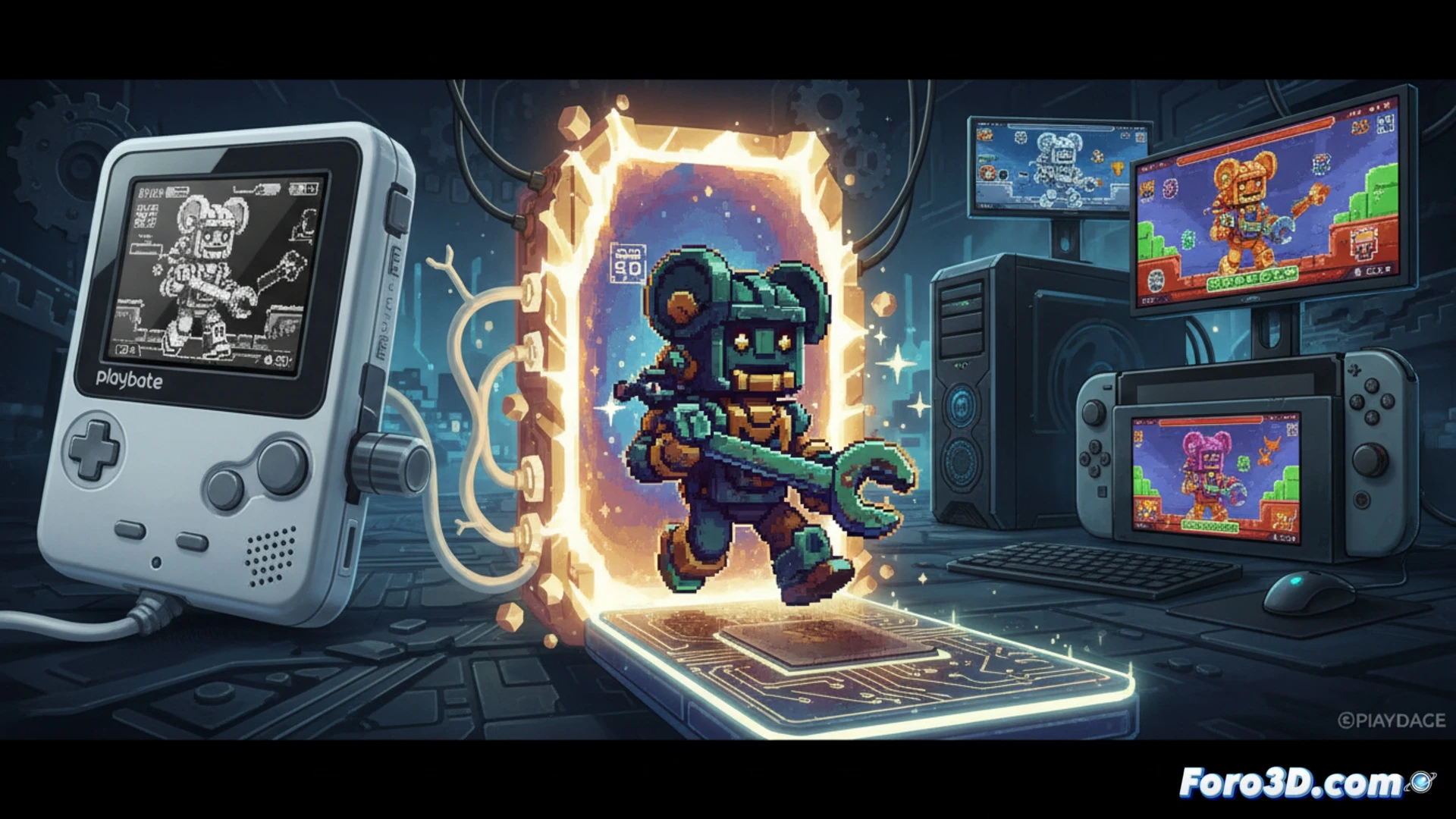
Ratcheteer DX represents a fascinating case study in adapting an indie video game across radically different platforms. Originally designed for the Playdate console and its peculiar 1-bit colorless screen, its transition to PC and Nintendo Switch required creative reengineering. The team did not limit itself to a simple port, but made the inspired decision to emulate the evolution of GameBoy classics, adding a color palette that directly recalls remasters like The Legend of Zelda: Link's Awakening DX. This approach respects the retro spirit while expanding its appeal.
Technical challenges and design in multiplatform transition 🎮
The technical adaptation involved overcoming specific challenges. The Playdate hardware, with its crank and graphical limitations, defined the original gameplay. For PC and Switch, controls had to be redesigned for standard gamepads, while maintaining the essence of the mechanics. The biggest visual change was the implementation of color, applied with the same philosophy as the GameBoy Color era: not just a layer of tones, but strategic use to define environments, puzzles, and enemies. Additionally, the content was significantly expanded, now offering over 250 interconnected rooms, six dungeons, and eight tools, demonstrating meticulous and non-linear level design that leverages the new capabilities.
The value of a specialized publisher and the retro trend 📈
Publication handled by Panic, known for Playdate, underscores the importance of a publisher that understands the indie and retro niche. Their support facilitates reach to markets like Steam and Switch, with strategies like launch discounts. Ratcheteer DX exemplifies a mature trend: the conscious reinterpretation of retro aesthetics, not as mere copying, but as legitimate evolution. For developers, the project is a lesson on how to adapt a solid game core to different platforms, transforming the original technical limitations into a distinctive artistic identity that is commercially viable.
What specific technical and design challenges does an indie developer face when adapting a game designed for the unique limitations of Playdate (such as its CPU, 1-bit screen, and crank) to the open and powerful PC platform, and how can those original limitations be turned into creative advantages?
(P.S.: shaders are like mayonnaise: if they curdle, you start all over again)