Raphinha's hamstring injury, which will keep him out for five weeks, impacts Barcelona at a crucial moment. Beyond the medical report, this case exemplifies an area where 3D technology offers revolutionary solutions. In the niche of sports and technology, tools like 3D body scanning and biomechanical simulation are transforming the prevention, diagnosis, and rehabilitation of elite footballers.
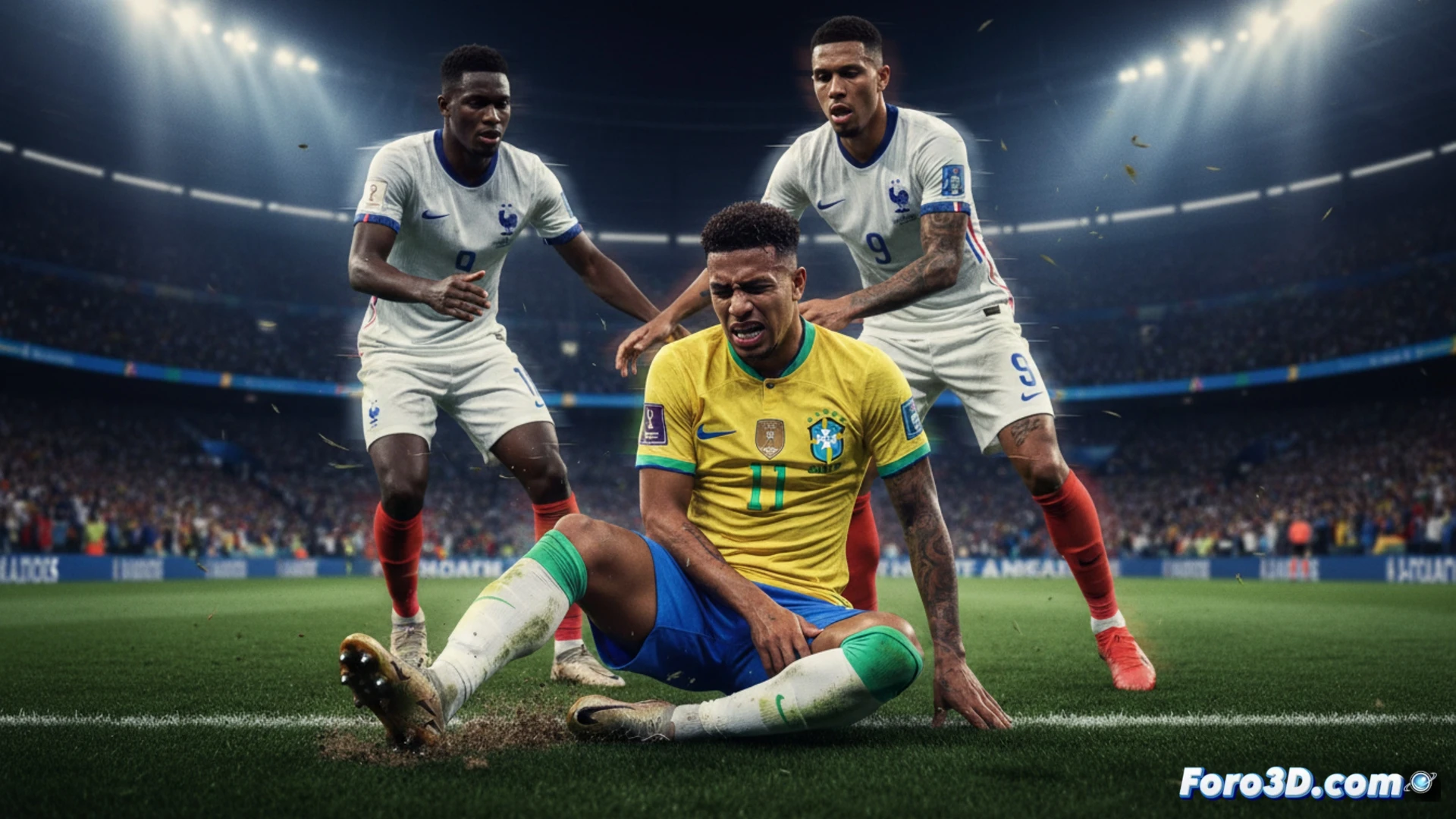
Digital Twins and Biomechanical Simulation to Prevent Injuries 🤖
The creation of a digital twin of the player, using 3D scanners and motion capture data, allows modeling their musculature and biomechanics with precision. This model can simulate workloads, analyze repetitive technical gestures, and detect imbalances before they lead to injury. For a case like Raphinha's, the mechanism of the thigh strain could be recreated, studying sprint angles and braking forces to identify risk factors and personalize training load, seeking that desired regularity without setbacks.
3D Visualization in Rehabilitation and Planning 📊
During recovery, 3D visualization of the damaged muscle tissue offers an invaluable educational tool. The player and the medical team can monitor the evolution of fibrosis or fibrillar regeneration in an interactive model. Additionally, this data feeds simulations to plan reintegration, calculating with greater certainty the optimal moment for maximum efforts. Thus, technology not only helps understand the injury but also optimizes the return path, minimizing relapses in the final stretch of the season.
How can 3D biomechanical analysis help prevent and manage injuries like Raphinha's hamstring injury?
(P.S.: VAR in 3D: now with replays from angles that didn't even exist)