When Bad Bunny needed a stop-motion animated character for his projects, his decision had a clear destination: Puerto Rico. The commission went to Acho Studio, the only professional studio on the island in this technique, led by the self-taught Quique Rivera. This collaboration not only elevated the studio's profile but also brought to the forefront a meticulous and deeply local art form, demonstrating that contemporary visual storytelling still has a vital space for craftsmanship.
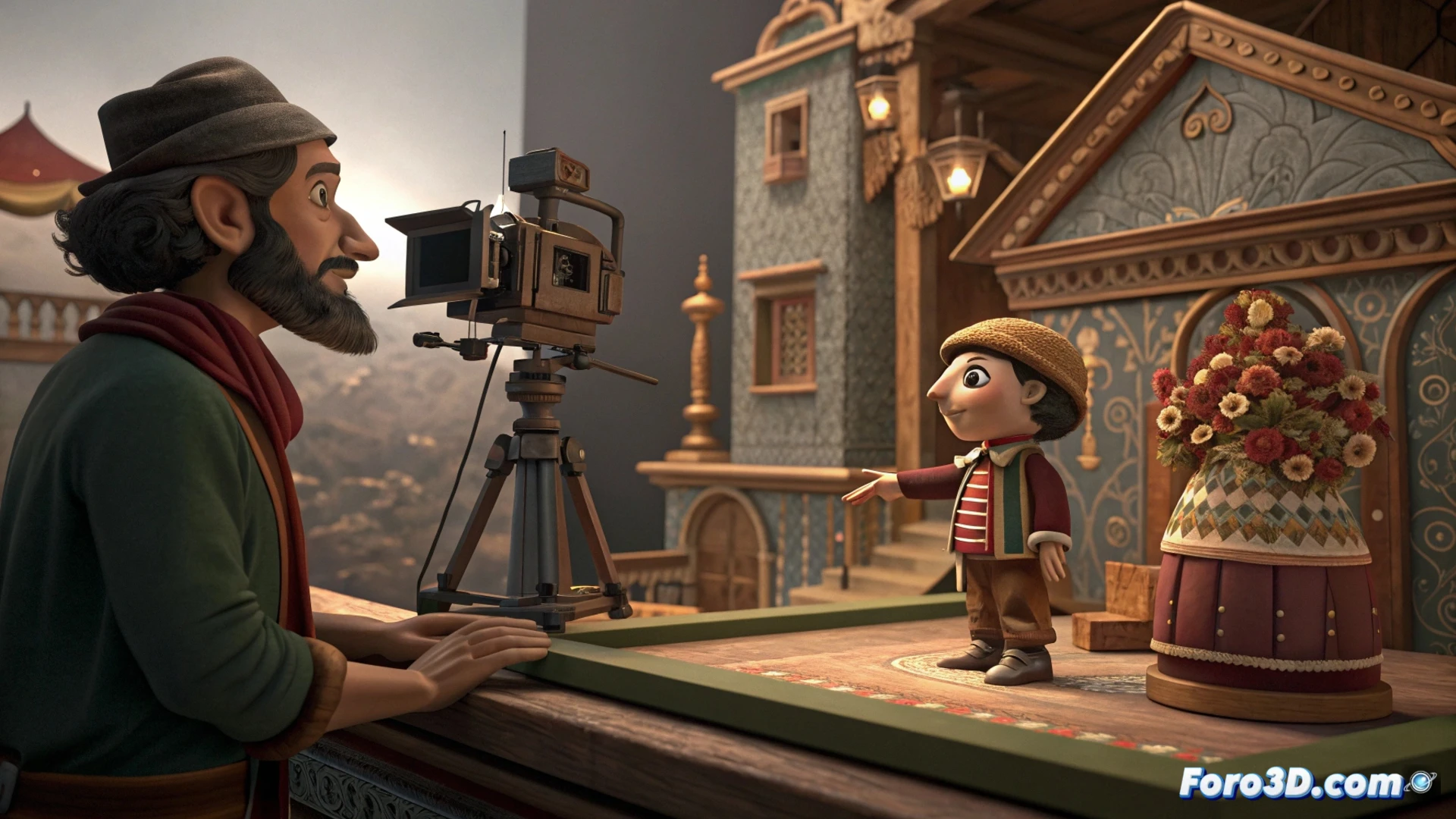
A Handcrafted Pipeline: From Sculpture to Moving Photography 🎬
Rivera's process is a testament to the manual essence of stop-motion. His training, which fused his passion for sculpture with photography, defines his pipeline. Each character, often inspired by Puerto Rican fauna, is born as a tangible sculpture. Then, through frame-by-frame photographic capture, Rivera breathes life and personality into it. This technique, where movement is built with patience and physical precision, contrasts with predominant digital workflows, reclaiming the value of materiality and organic imperfection in animation for film, music videos, and hybrid projects.
The Visibility of the Local in a Global Market 🌍
The collaboration with a global figure like Bad Bunny granted unprecedented visibility to this artisanal niche. However, the core of Acho Studio's work remains rooted in its context. More than a mere service provider, the studio positions itself as a visual storyteller of Puerto Rican culture and nature. This case demonstrates how specialized techniques, sustained by an authorial and local vision, can successfully integrate into the mainstream entertainment industry, enriching it with unique perspectives and textures.
How can stop-motion become a tool to preserve and project Puerto Rican cultural identity within contemporary visual storytelling?
(P.S.: Previz in film is like the storyboard, but with more chances for the director to change their mind.)