The upcoming release of Project Salvation, directed by the duo Lord and Miller and starring Ryan Gosling, transcends the simple adaptation of Andy Weir's novel. This science fiction film presents a visual narrative where the forced alliance between a human and an alien to save their worlds becomes a metaphor for modern film production. The message about collaboration as a vital necessity finds a perfect parallel in the creation process with 3D technology and VFX, where artists, technicians, and directors unite their skills to bring the impossible to life.
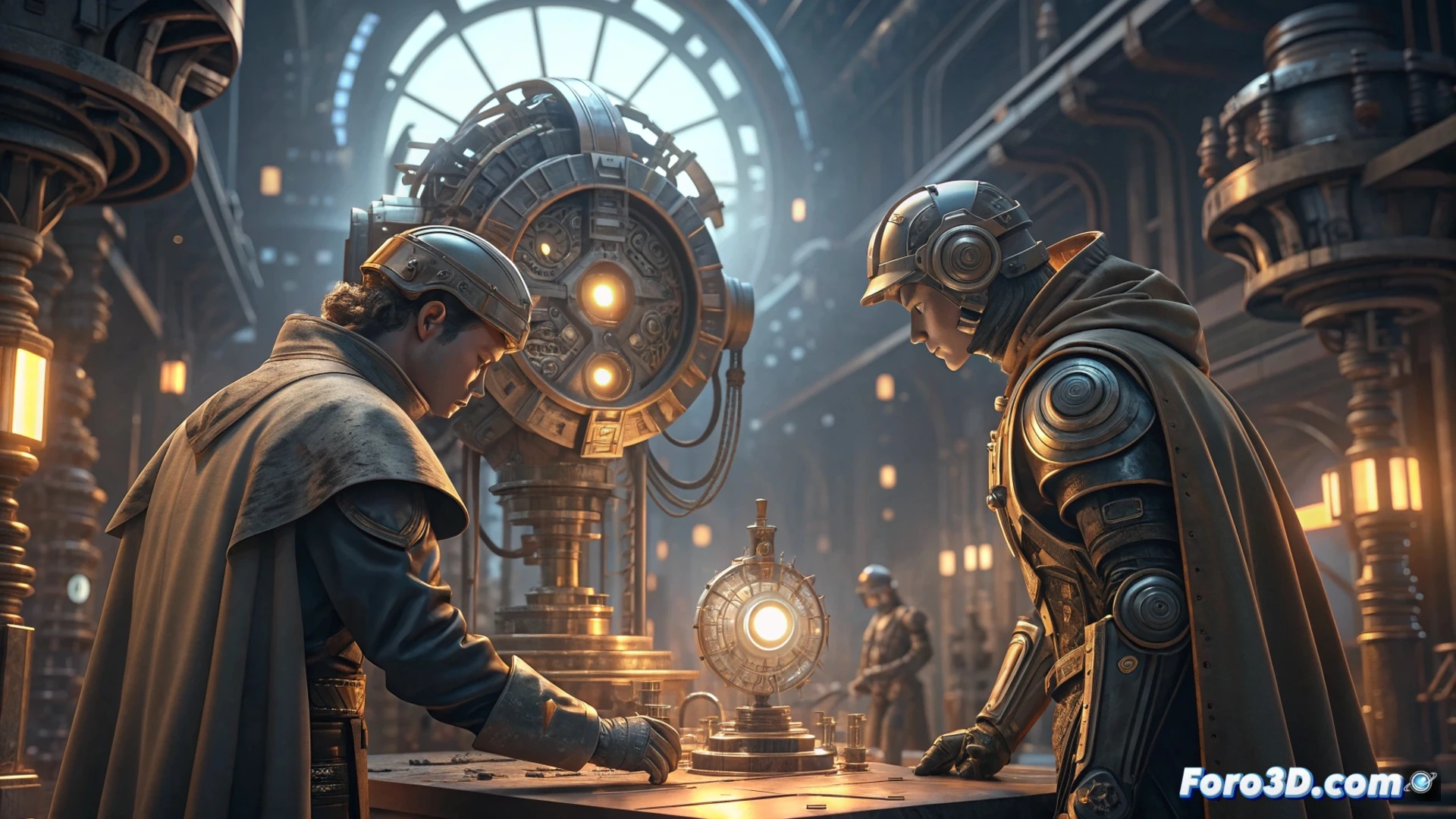
From Page to Pixel: Previs and Creature Design 🎨
Materializing the vision of this story required exhaustive visual planning. This is where tools like 3D previsualization and digital storyboarding become crucial. These processes allow directors like Lord and Miller to block complex sequences, test angles, and define the interaction between real and digital characters long before shooting. The alien's design, a central character that must convey emotions and generate empathy, is another technical and artistic challenge. It required anatomically credible 3D modeling, advanced rigging systems for its animation, and texturing that integrated it organically into scenes with Ryan Gosling, ensuring that the on-screen collaboration was visually convincing.
The Visual Narrative of Cooperation 🤝
The adaptation to cinematic language goes beyond effects. The film explores how cooperation, the central theme of the plot, is also reflected in the visual composition, editing, and lighting of scenes that unite two realities: the human and the alien. 3D technology is not just a means to create spectacular worlds, but the tool that allows visually articulating the philosophical idea that overcoming adversities, both in fiction and in film production, is a collective and interdependent effort.
How does the creative collaboration between directors, production designers, and VFX artists redefine the visual narrative in a film adaptation like Project Salvation?
(P.S.: Previs in cinema is like the storyboard, but with more possibilities for the director to change their mind.)