In 2017, the Pentagon launched Project Maven, an initiative to employ artificial intelligence in analyzing the overwhelming amount of video and images captured by drones. Katrina Manson's book documents, through key testimonies, the evolution of this tool: from its initial clumsiness to becoming a system capable of identifying and proposing attack targets. This chronicle is not only technical, but a gateway to the most urgent ethical reflection: should we automate the decision to take a life?
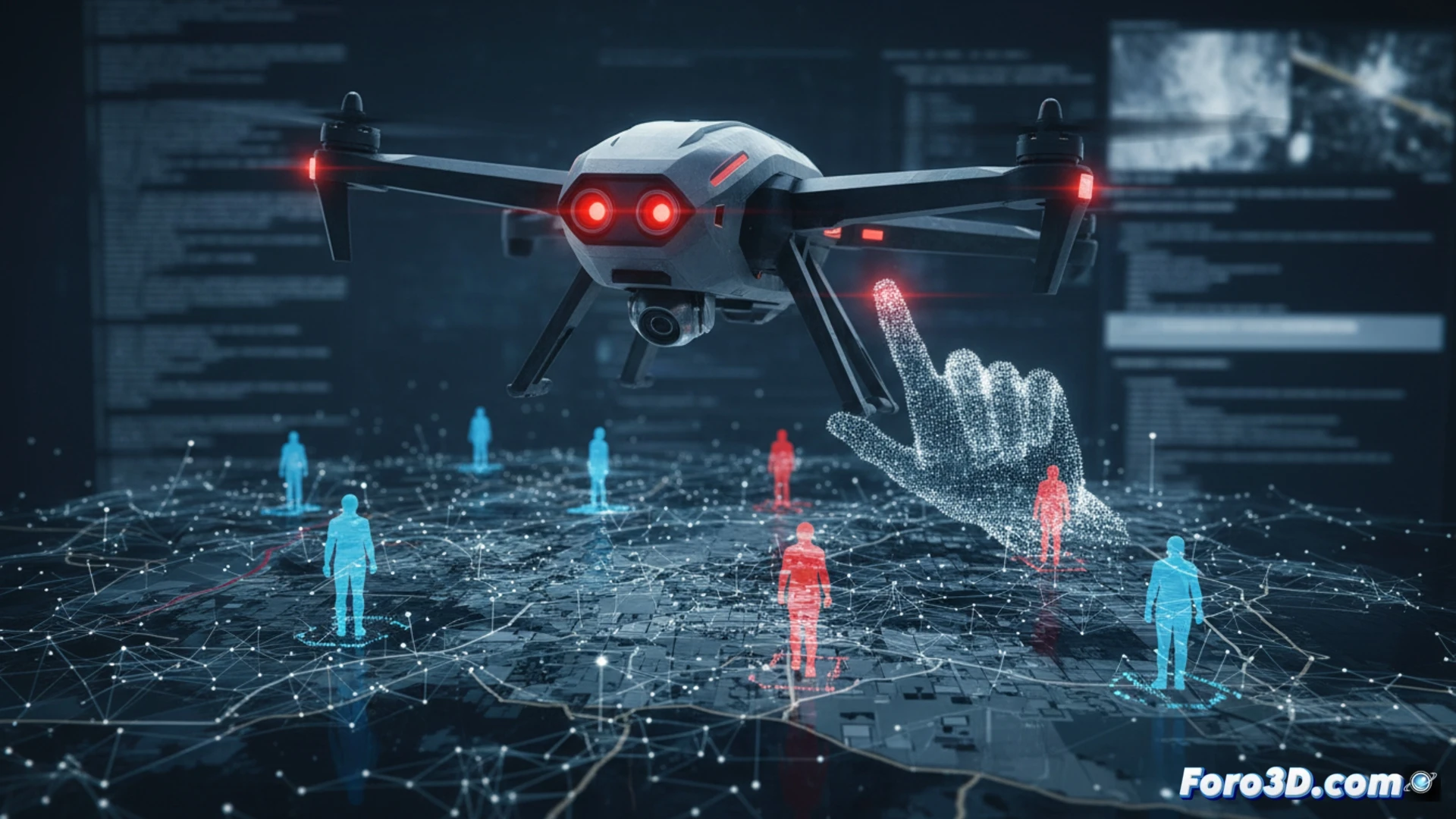
From assistance to autonomy: the technical slippery slope 🤖
The development of Project Maven illustrates a common trajectory in applied AI. It began as a support system, a filter to alleviate the cognitive load of analysts, classifying objects in thousands of hours of footage. However, its natural evolution led it toward greater autonomy, integrating identification and target suggestion capabilities within the combat cycle. Manson details its operational deployment, showing how the tool went from being eyes to becoming an active component that reduces the time between detection and potential lethal action, progressively eroding direct human oversight.
The algorithm without judgment: the ultimate risk ⚖️
The core of the ethical dilemma exposed by Manson is not the technology itself, but the delegation. An algorithm lacks human context, compassion, that ultimate judgment that in the past has prevented catastrophic escalations. Fully automating the attack cycle means entrusting irreversible decisions to a system that only processes data, not consequences. This case raises the fundamental question for our digital age: in high-risk applications, where should we draw the impassable line for machine autonomy? The future of war, and of our humanity, depends on that answer.
How does aggressive moderation affect the perception of a technology brand?