The adaptation of Project Hail Mary arrives on the big screen as a modern science fiction success. Beyond its space survival plot, the movie stands out for balancing ambitious scientific concepts with a hopeful and emotional tone. The heart of the story beats in the unexpected friendship between the lonely astronaut and an alien, a relationship that the visual narrative and special effects must make believable and moving. This achievement turns the film into an ideal case study for analyzing how 3D technology and VFX serve the story.
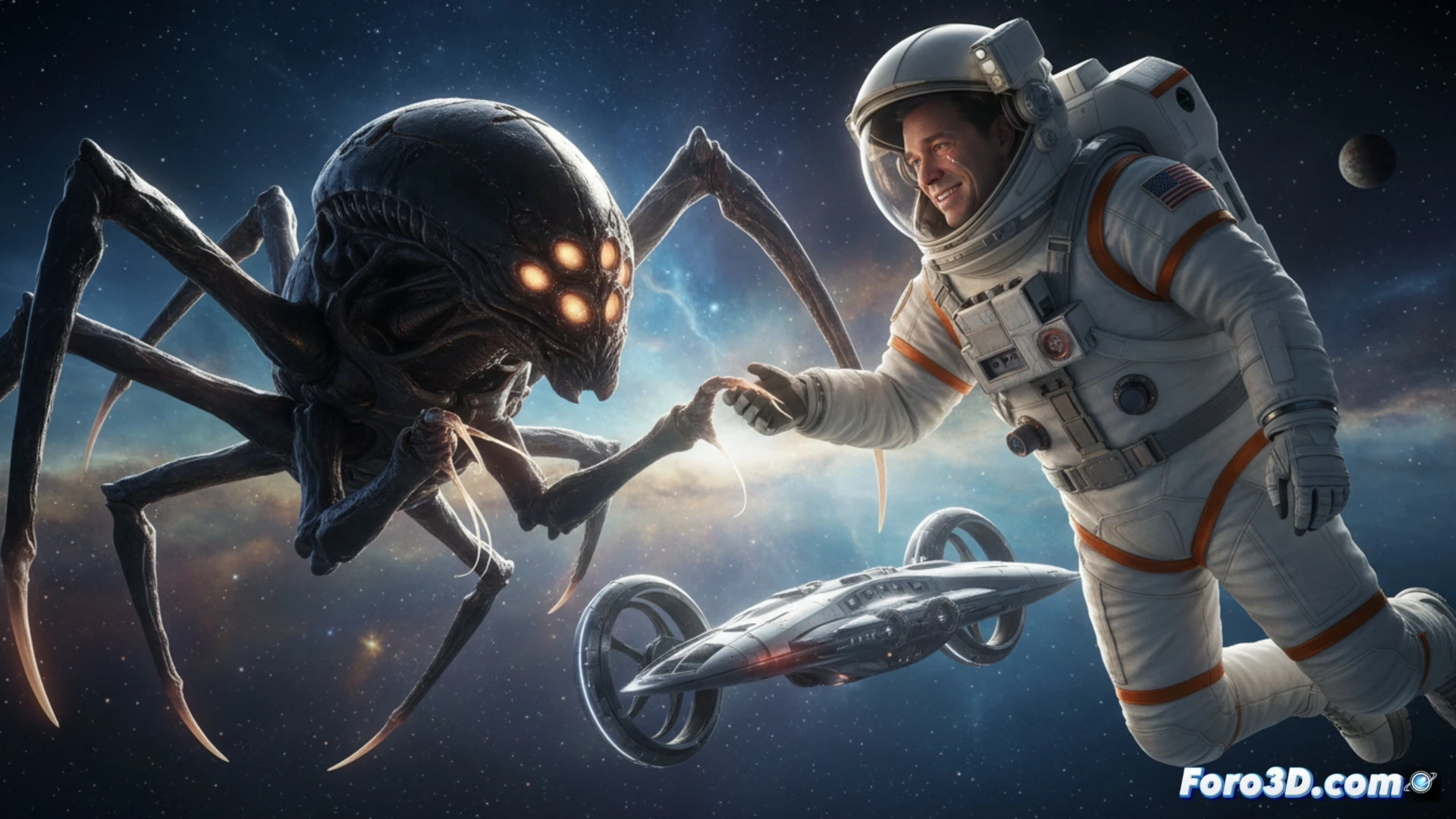
From Concept Art to CGI: Building a Believable Universe 🎨
The visual success of Project Hail Mary was developed in fundamental pre-production phases. The design of the alien Rocky, key to the emotional connection, surely went through extensive stages of concept art and 3D modeling to find a balance between the extraterrestrial and the expressive. 3D previsualization would have been crucial for planning the complex microgravity sequences inside the ship and the physical interactions between the characters, optimizing the shoot. In post-production, CGI does not seek only spectacular impact, but to create a believable space environment that acts as another character. The integration of the actors with these digital elements, especially in the companionship scenes, is fundamental to sustain the verisimilitude and emotional weight of the story.
When Visual Effects Have Soul ✨
Project Hail Mary joins movies like Interstellar or The Martian, where VFX are not an end, but a narrative means. The technology here allows visualizing science and danger, but its greatest triumph is making an impossible friendship tangible. This approach, where the technical merges with the emotional, marks the evolution of the genre. It demonstrates that the audience values spectacle, but connects deeply when pixels convey humanity, cooperation, and hope, reminding us that the best visual effect is the one that is not noticed, but felt.
How did the VFX artists design and animate Rocky to make him a believable alien character emotionally connected, overcoming the limitations of the non-human form and non-verbal communication?
(P.S.: Previz in cinema is like the storyboard, but with more chances for the director to change his mind.)