The recent arrest of two individuals for sending hundreds of harassing messages to the general secretary of Podemos, Ione Belarra, underscores the digital vulnerability of public figures. This case, investigated by the Madrid Provincial Information Brigade, highlights the need for advanced tools that go beyond mere identification of perpetrators. In forums like this, we can explore how 3D technology and simulation offer proactive solutions to visualize and dismantle harassment networks before they escalate.
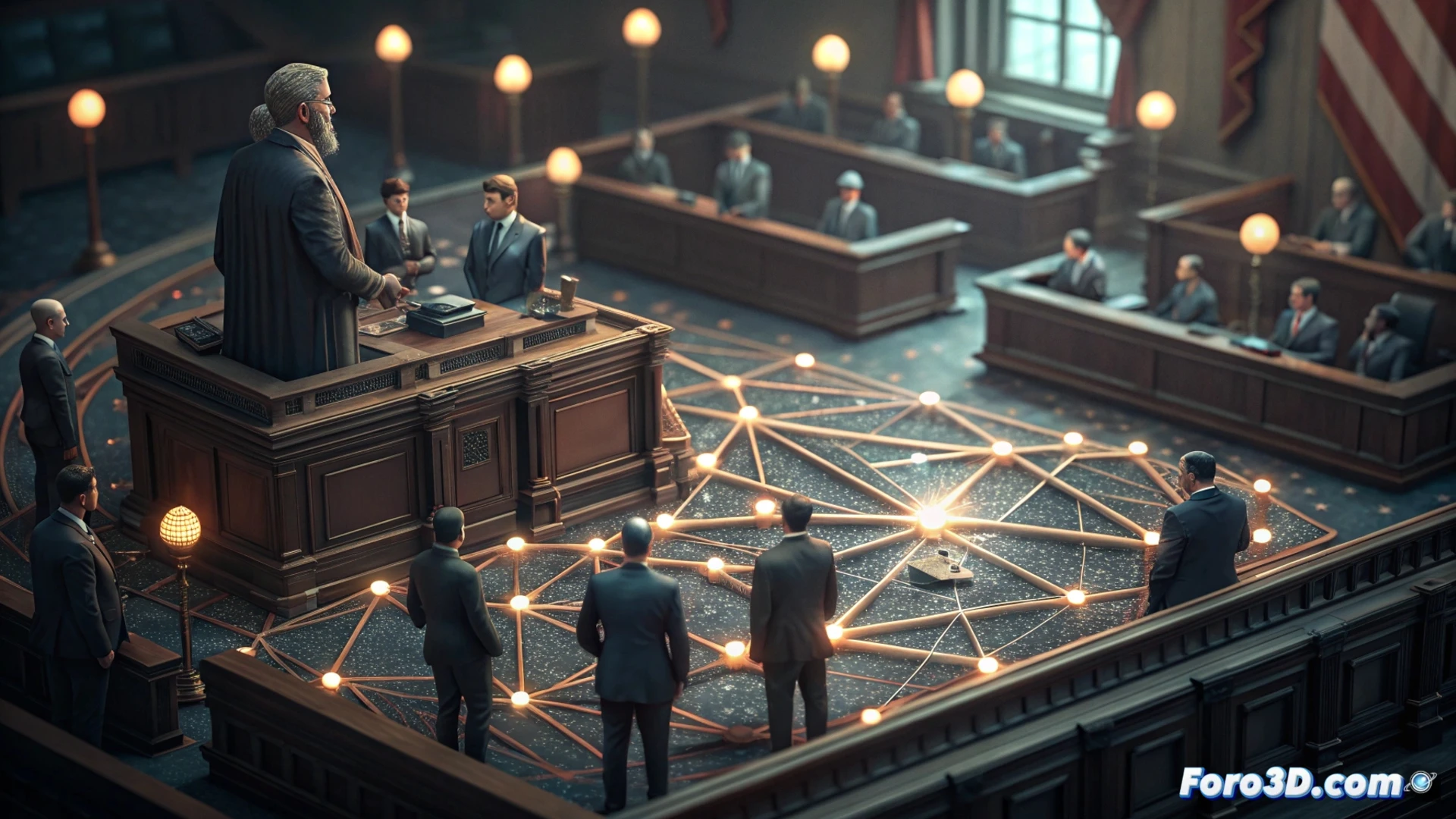
3D Visualization of Networks and Simulation of Harassment Patterns 🔍
Traditional cybercrime investigation handles lists of IPs and activity logs. Imagine transforming that data into an interactive 3D model where each node represents an aggressor, fake account, or diffusion channel, and the vectors show the direction and intensity of threatening messages. Using rendering engines, malicious communication flows could be simulated to identify hidden patterns, points of origin, and possible collaborations between harassers. This spatial visualization would allow investigation units, like those involved in this case, to intuitively understand the structure of the harassment campaign and predict its next moves.
Toward Early Warning Systems with Data Verification ⚠️
Protecting vulnerable groups, such as politicians under harassment, requires moving from reaction to prevention. By integrating digital forensic analysis techniques with data verification systems and behavior models, virtual testing environments could be designed to calibrate early warning systems. These systems, trained with 3D simulations of harassment scenarios, would learn to detect verbal patterns and coordinated networks, generating verified alerts for law enforcement and legal advisors, enabling a faster and more deterrent response.
How can 3D modeling technology and virtual reality help identify patterns of political cyberbullying and create safe simulation environments to train vulnerable groups in their digital self-protection?
(P.S.: verifying status is like leveling the bed: if you don't do it right, the first layer (and the rights) fail)