Nintendo announces Pokémon Champions for Switch in 2026, a radical turn in the franchise. This title completely abandons the RPG adventure and exploration to focus solely on online competitive combat. Its stated goal is to be an accessible and direct platform, eliminating entry barriers to the official circuit. We analyze this decision from the perspective of video game design and business strategy, evaluating how this pure approach affects development, gameplay, and the target audience. 🎮
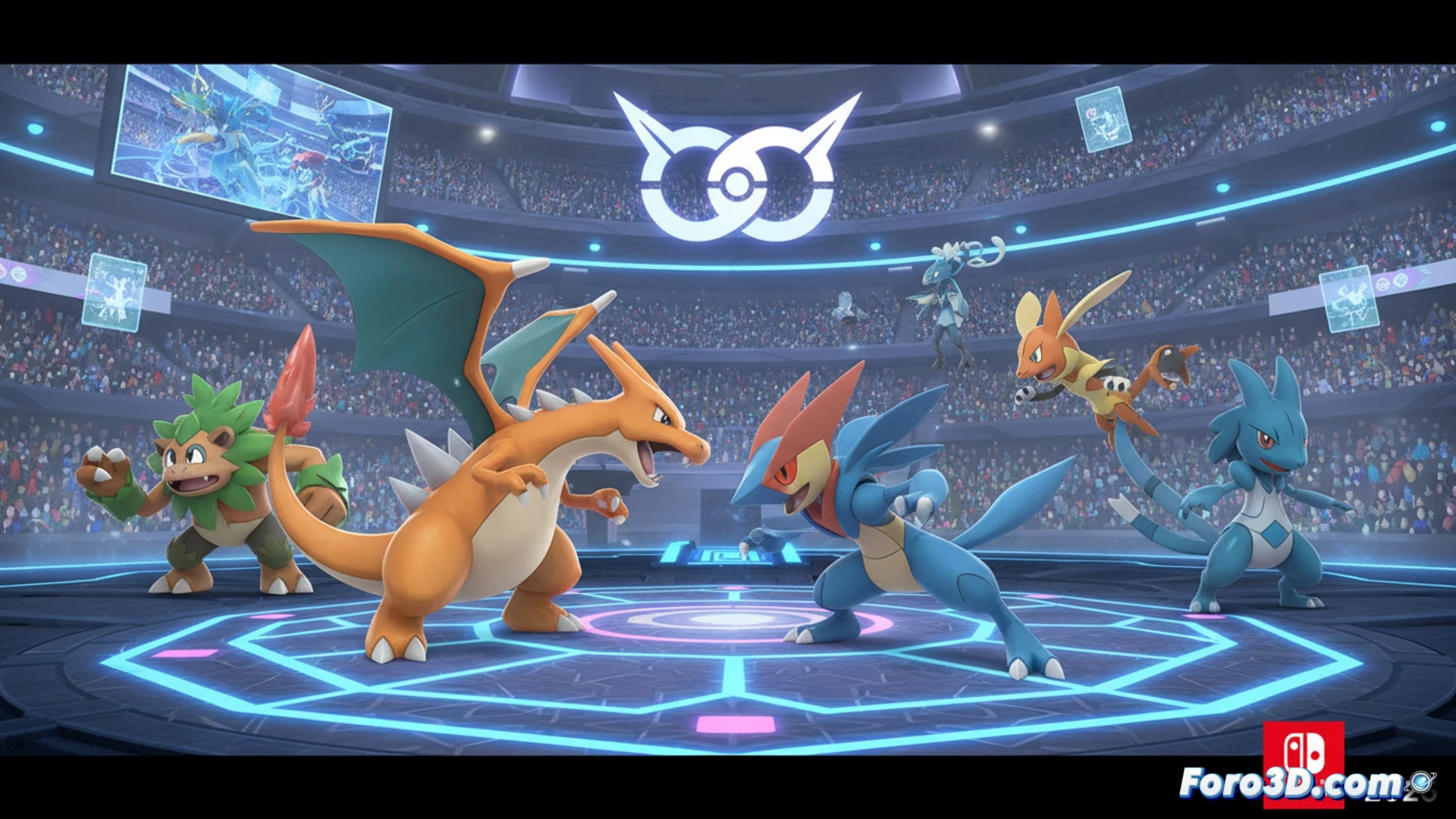
Design focused on the competitive pipeline and online optimization ⚙️
From a technical design perspective, this decision implies a radically different development pipeline. Resources traditionally allocated to designing a campaign, extensive maps, narrative, and NPCs are now redirected to two pillars: the network and balance. The priority will be a robust online infrastructure with stable servers and low latency, crucial for fair competitions. The other pillar is deep and continuous metagame balance, requiring a dedicated team to adjust moves, abilities, and stats. This approach allows for a more focused development cycle, potentially more agile and with less complexity in assets, although it demands a long-term commitment to support and balance updates.
Business strategy and player market segmentation 📈
This move is a clear segmentation strategy. Nintendo and The Pokémon Company identify a growing niche: players interested only in competitive play, who see the campaign as a chore. By offering a specialized product, they capture that segment directly, while also attracting new players intimidated by the complexity of a full RPG. It's a bet on monetizing and retaining the competitive base within the Switch ecosystem, fostering the use of Pokémon HOME and creating a live service title. The risk lies in fracturing the classic experience and depending on a perhaps smaller, but presumably highly committed audience.
How does the elimination of the adventure and Pokémon capture affect competitive balance and strategic depth in a game focused solely on team battles?
(P.S.: a game developer is someone who spends 1000 hours making a game that people complete in 2)