The animated film Planètes, directed by Momoko Seto, arrives in French cinemas as a true cinematic UFO. The story follows four dandelion seeds that, after a nuclear explosion, travel through space in search of a new home. This film, awarded at Annecy, stands out for its poetic narrative and, above all, for a creation process as singular as its plot, unusually combining macro filming, 2D animation, and 3D graphics.
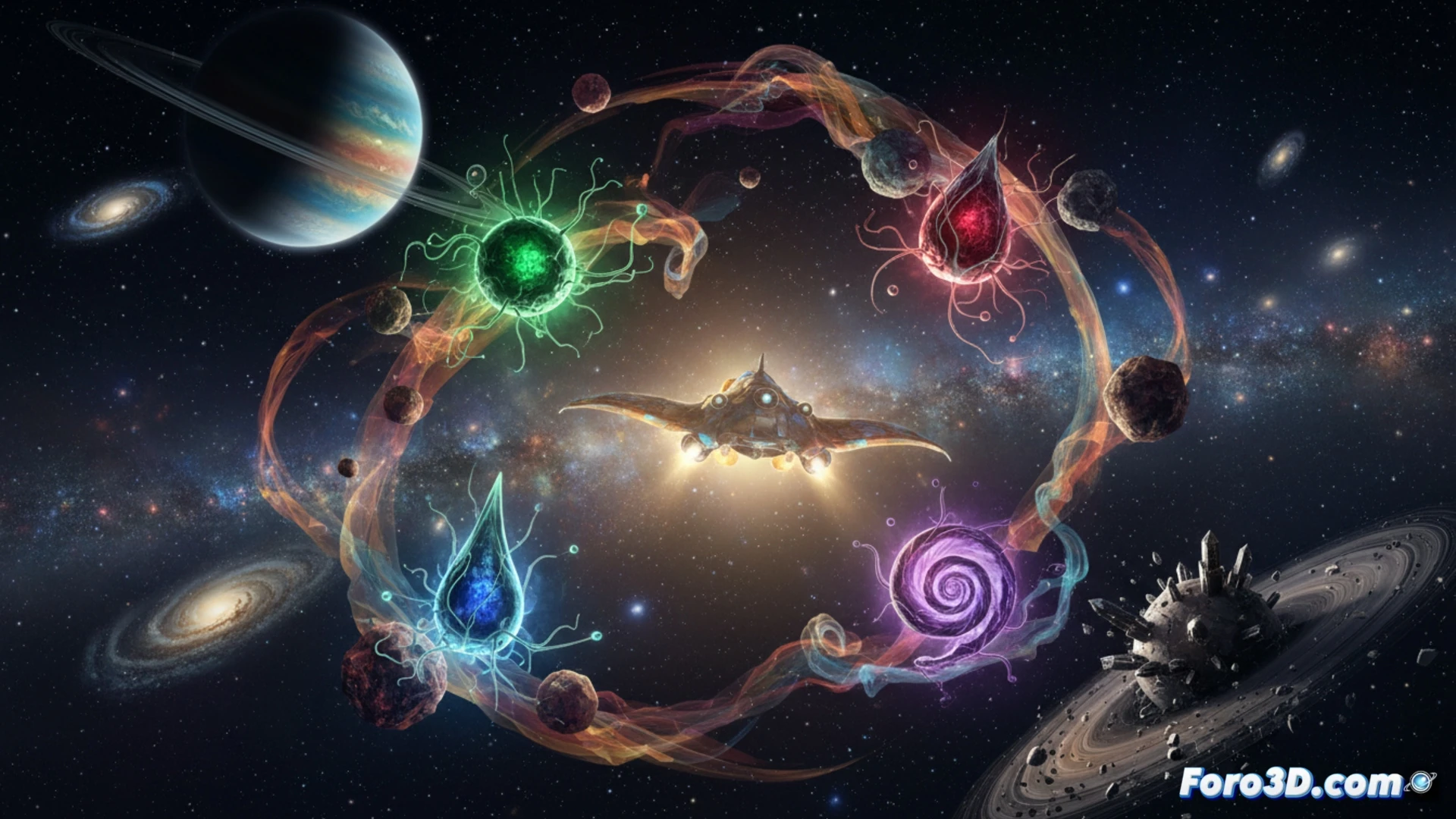
Technical fusion: macro, 2D, and 3D in symbiosis 🌌
The making of Planètes is a case study in technical innovation. The team faced the logistical challenge of working with real dandelion plants, filming them in macro to capture their texture and organic movement. These real elements were then integrated with a 2D animated universe and with space effects and environments created in 3D. This fusion was not only aesthetic but narrative: the rawness of the real contrasts with the abstraction of the cosmos, enhancing the epic odyssey of the seeds. The technique serves the story in an exemplary way.
Technical creativity at the service of the narrative ✨
Planètes demonstrates that innovation in animation arises from questioning established processes. The decision to mix such disparate techniques, assuming the challenge of the unpredictable when filming living beings, resulted in a unique visual identity. This hybrid approach positions the film as a reference for artists and technicians, reminding us that tools, whether a macro camera or 3D software, are vehicles for telling memorable and exciting stories.
How does Momoko Seto's animated film Planètes manage to fuse hybrid animation techniques to build a visual narrative that transcends the conventions of scientific and poetic cinema?
(P.S.: Previz in cinema is like the storyboard, but with more possibilities for the director to change their mind.)