The leak of the PlayStation Plus Essential games for April, headlined by Sword Art Online: Fractured Daydream, has unleashed a wave of criticism that transcends mere momentary discontent. This episode reveals a palpable fracture between Sony's business strategy and the expectations of a community that has accepted recent price increases. The central debate is no longer about a bad month, but about the sustainability of the subscription model when the value perceived by users erodes systematically. The industry watches as the management of a key service can become a case study on communication and content curation.
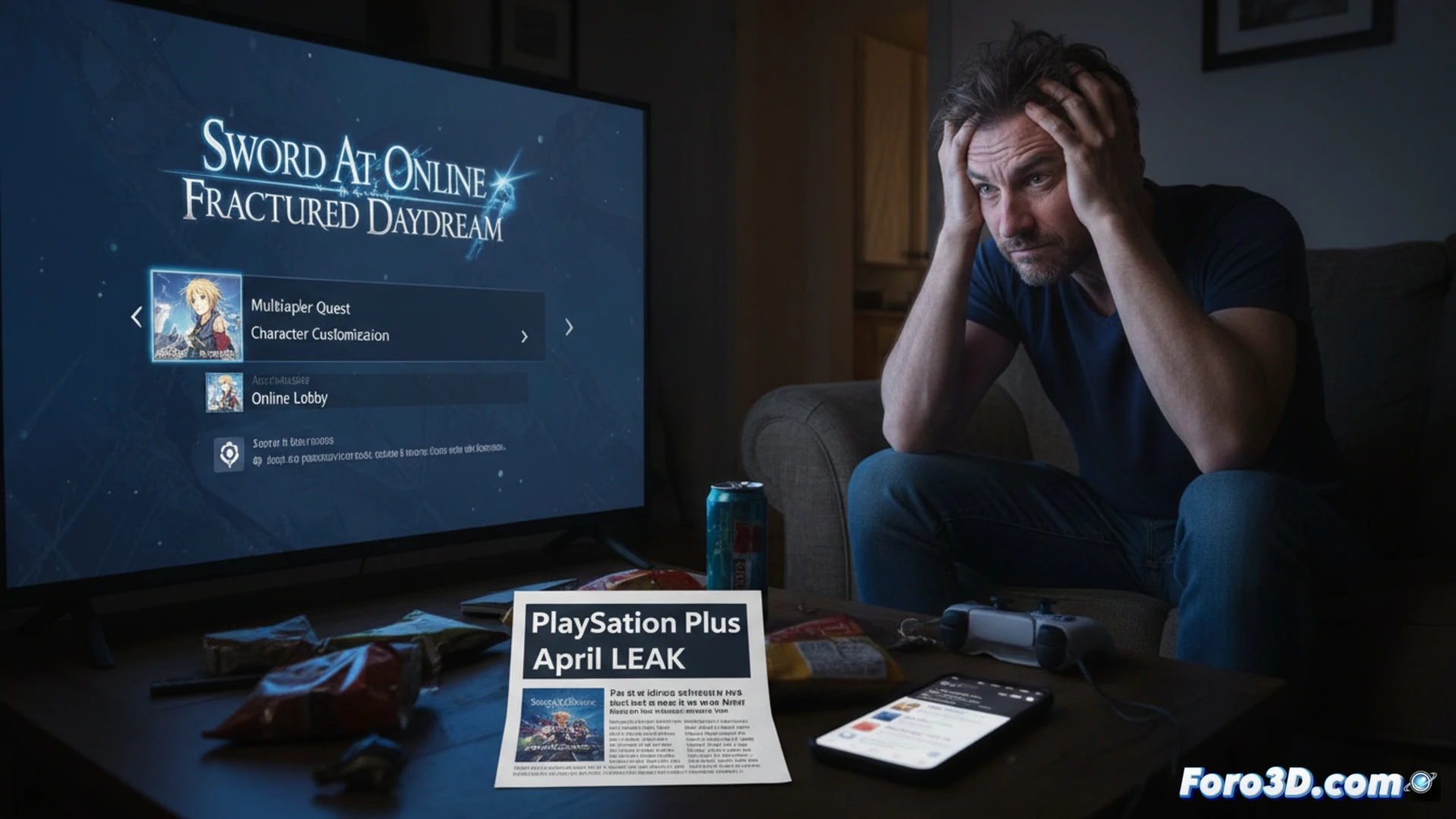
Analysis of curation: GAAS, lifecycle, and value perception 🤔
The choice of a recent multiplayer game as a service (GAAS) with mixed reception raises profound technical and business questions. From the development and publishing perspective, including a GAAS in a subscription may aim to boost its active player base, a crucial KPI for this model. However, the community values different factors: the title's permanence and its intrinsic quality. A server-dependent game has diminishing value in the face of potential future shutdown, which subscribers interpret as a risky asset. Additionally, integrating titles with modest reviews into the main curation sends a signal of cost alignment, prioritizing perhaps cheaper licensing deals over established excellence. This decision directly impacts the most important metric: subscriber retention.
Lessons for the industry: subscriptions and player trust ⚠️
This scenario serves as a warning for the entire subscription industry. Player trust, built over years, is a fragile asset. When price increases do not correlate with tangible improvements in quality or library appeal, the model is perceived as extractive. For developers, inclusion in these programs can guarantee visibility, but it also associates them with a context of discontent. The PlayStation Plus case demonstrates that, in a saturated market, the content strategy must be transparent and ambitious, understanding that the end subscriber performs an increasingly sophisticated cost-benefit analysis.
How do leaks of monthly games from services like PlayStation Plus affect the perception of value and the long-term content strategy of a platform in the video game industry?
(P.S.: optimizing for mobile is like trying to fit an elephant into a Mini Cooper)