The third stage of the Paris-Nice 2026, a team time trial won by INEOS Grenadiers, has placed Juan Ayuso (Lidl-Trek) as leader. This format, a ballet of precision and power, is perfect for analysis using 3D technology. By recreating the formation, the relays, and the peloton's aerodynamics, we can visualize in detail the strategy that left Ayuso's team just two seconds from victory, but gave him the yellow jersey.
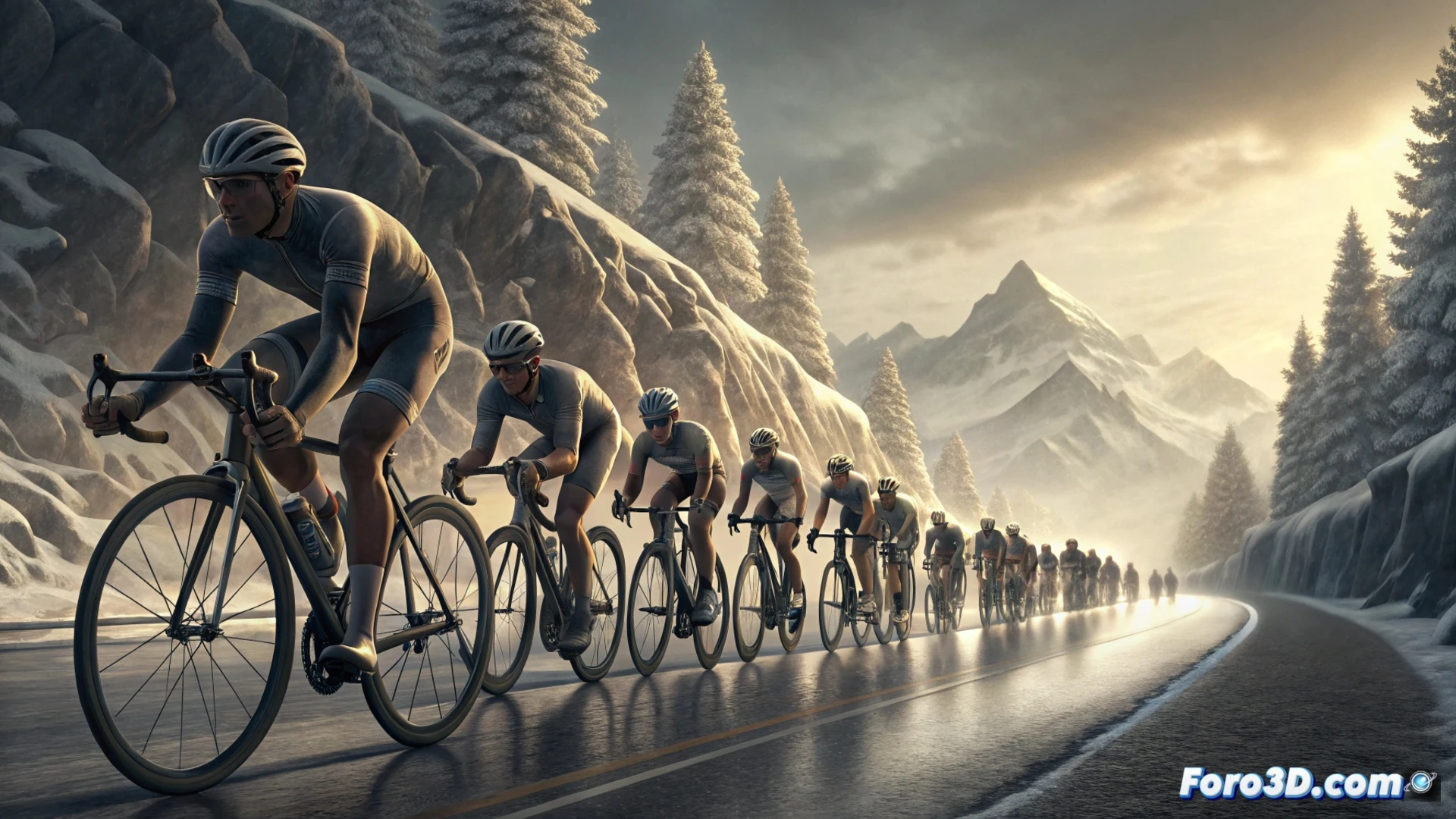
3D Reconstruction of a Time Trial: Strategy, Formation, and Time Losses 🕐
A 3D model of this stage allows us to go beyond raw times. We can simulate each rider's position, analyzing the aerodynamic wake and the efficiency of changes. In which curve or relay were those two decisive seconds lost? 3D technology enables isolating variables, such as power applied in each sector or optimal formation against the wind, offering invaluable technical reports for teams and fans. This simulation turns a race against the clock into an interactive diagram of forces and tactical decisions.
3D Simulation of Mountain Stages: Anticipating Decisive Attacks ⛰️
With the leadership at stake, the race heads to the mountains. Here, 3D technology takes on a predictive role. By modeling the altimetric profile in detail, efforts can be simulated, power thresholds calculated on specific ramps, and key attack points foreseen. Visualizing the final climb in 3D allows anticipating where a rider like Ayuso can defend his jersey or where his rivals will launch their offensives, taking tactical analysis to a new dimension.
How can 3D analysis of aerodynamics and bike position in a team time trial predict and optimize performance in the subsequent mountain stages?
(P.S.: reconstructing a goal in 3D is easy, the hard part is making it not look like it was scored with the leg of a Lego doll)