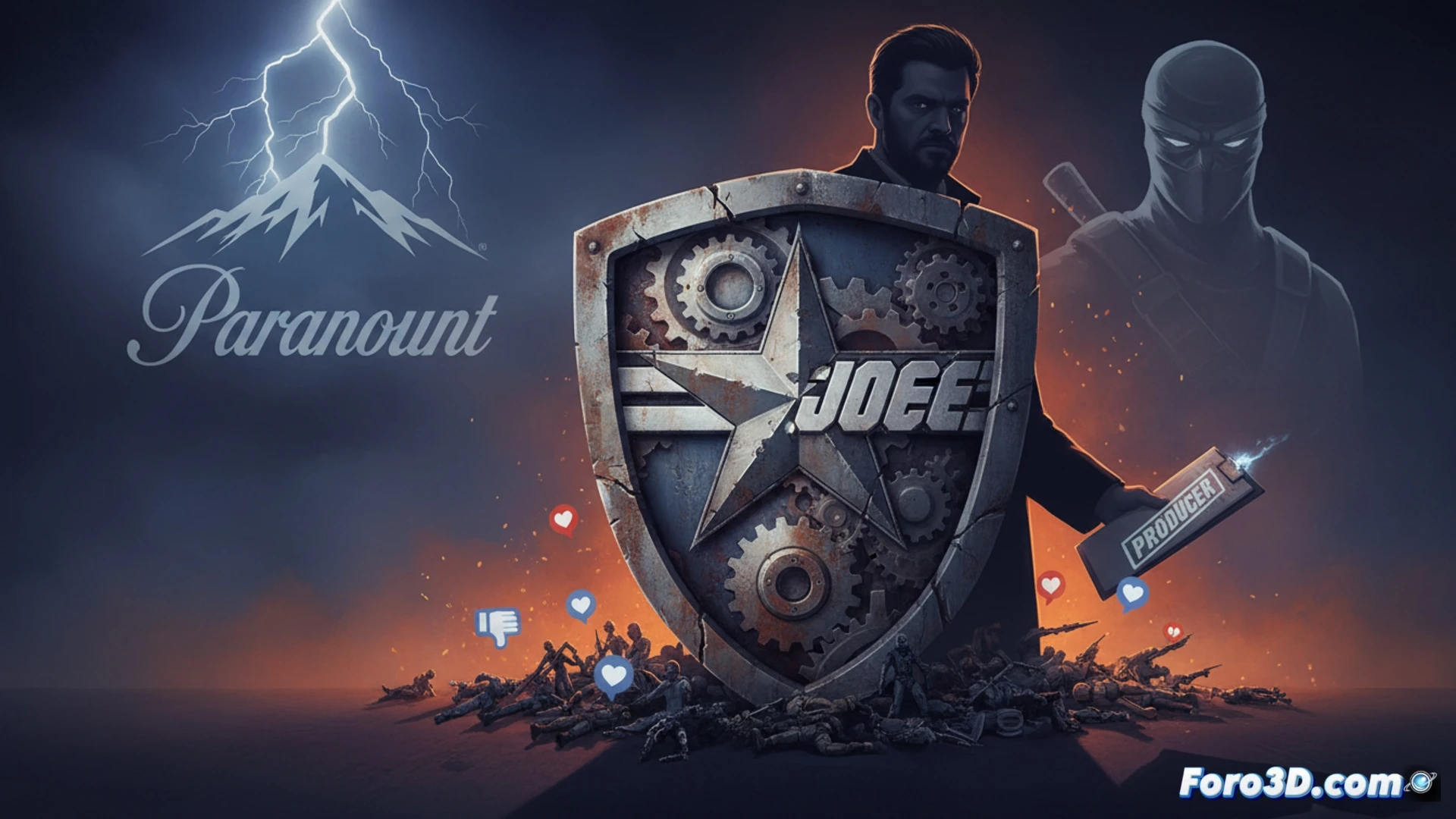
Paramount Pictures has sparked intense debate in the industry by appointing Max Landis as executive producer of the G.I. Joe reboot. Landis, whose name was associated with multiple abuse allegations and who disappeared from Hollywood credits since 2019, returns with a key role in a major franchise. Although Danny McBride will be the lead screenwriter, Landis's mere involvement has unleashed massive backlash on social media, demonstrating that public scrutiny now begins in the development phase, much earlier than filming.
The impact of the scandal on pre-production and narrative 🎬
This decision places the project in a vulnerable position from its earliest stage. Pre-production, a critical phase for defining the tone, creative team, and commercial viability, now must also manage the film's reputation. The public narrative about the movie is no longer built solely with trailers or posters, but with casting and hiring news. The studio risks the shadow of the scandal overshadowing the work of the rest of the team, including McBride's, and the debate focusing on the ethics of hiring rather than the story's potential. This redefines crisis management, forcing studios to evaluate the reputational cost of every signature on the script.
A turning point for accountability in Hollywood? ⚖️
The Landis and G.I. Joe case raises an uncomfortable question: has Hollywood's culture of impunity really changed after movements like MeToo? The public's reaction suggests tolerance has decreased, but studio decisions do not always align with it. Paramount, by reintegrating such a controversial figure, tests the limits of that new morality. The outcome of this controversy will set a precedent on whether collective pressure can truly alter the course of a multimillion-dollar production or if, once again, business prevails over ethical scrutiny.
Can the controversy surrounding the creator's figure be separated from the analysis of their visual narrative and its impact on a cinematic franchise?
(P.S.: Previz in cinema is like the storyboard, but with more possibilities for the director to change their mind.)