A coalition of 33 countries has signed a declaration to guarantee safe passage through the Strait of Hormuz, following attacks on commercial vessels. This route, through which 20% of the world's oil passes, is a unique critical point for the global supply chain. The initiative, which explicitly rejects the use of force, reflects concern over an escalation that would paralyze maritime trade. The adherence of nations such as South Korea, Australia, and Canada underscores the collective interest in avoiding a logistical collapse.
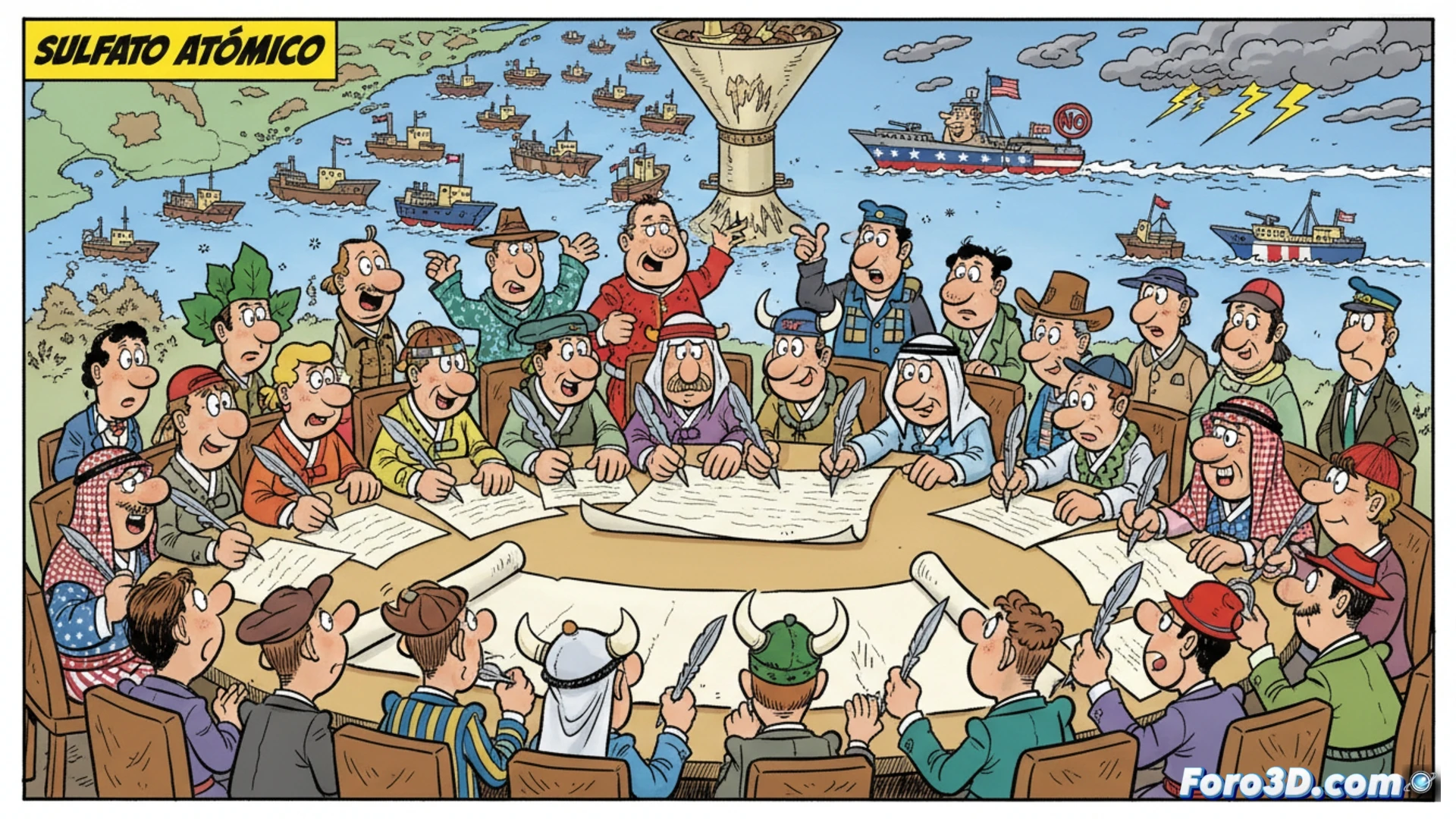
3D Modeling of Logistical Impact: Traffic, Alternative Routes, and Costs 🗺️
The true dimension of dependence on Hormuz is visualized with interactive 3D modeling. A geostrategic map shows the dense traffic of oil tankers and container ships. When simulating a closure, the model activates alternative routes, such as the detour around the Cape of Good Hope, instantly increasing transit days and freight costs. A real-time data flow visualization can quantify the economic impact: an increase of X days in the journey means an rise of Y millions in logistical costs and a reduction of Z% in global transport capacity.
Supply Chain Resilience Against Geopolitics ⚖️
This diplomatic mobilization is a symptom of systemic vulnerability. The extreme concentration of traffic in a geopolitically unstable point exposes the fragility of maximum logistical efficiency. Technical visualizations not only show a routing problem, but the urgent need for resilience strategies: diversification of sources, safety stock, and reconsideration of just-in-time models. Security in Hormuz is no longer just a naval issue, but a pillar of global economic stability.
What visual metrics would you use to show geopolitical dependence on chips?