OpenAI has released a set of open-source safety policies specifically designed to protect teenagers in artificial intelligence applications. These tools, developed in collaboration with experts, consist of modular prompts that address critical risks such as violent content, eating disorders, or self-harm ideas. The launch comes amid growing regulatory pressure and following lawsuits over tragic cases, underscoring the urgency of implementing effective safeguards in language models.
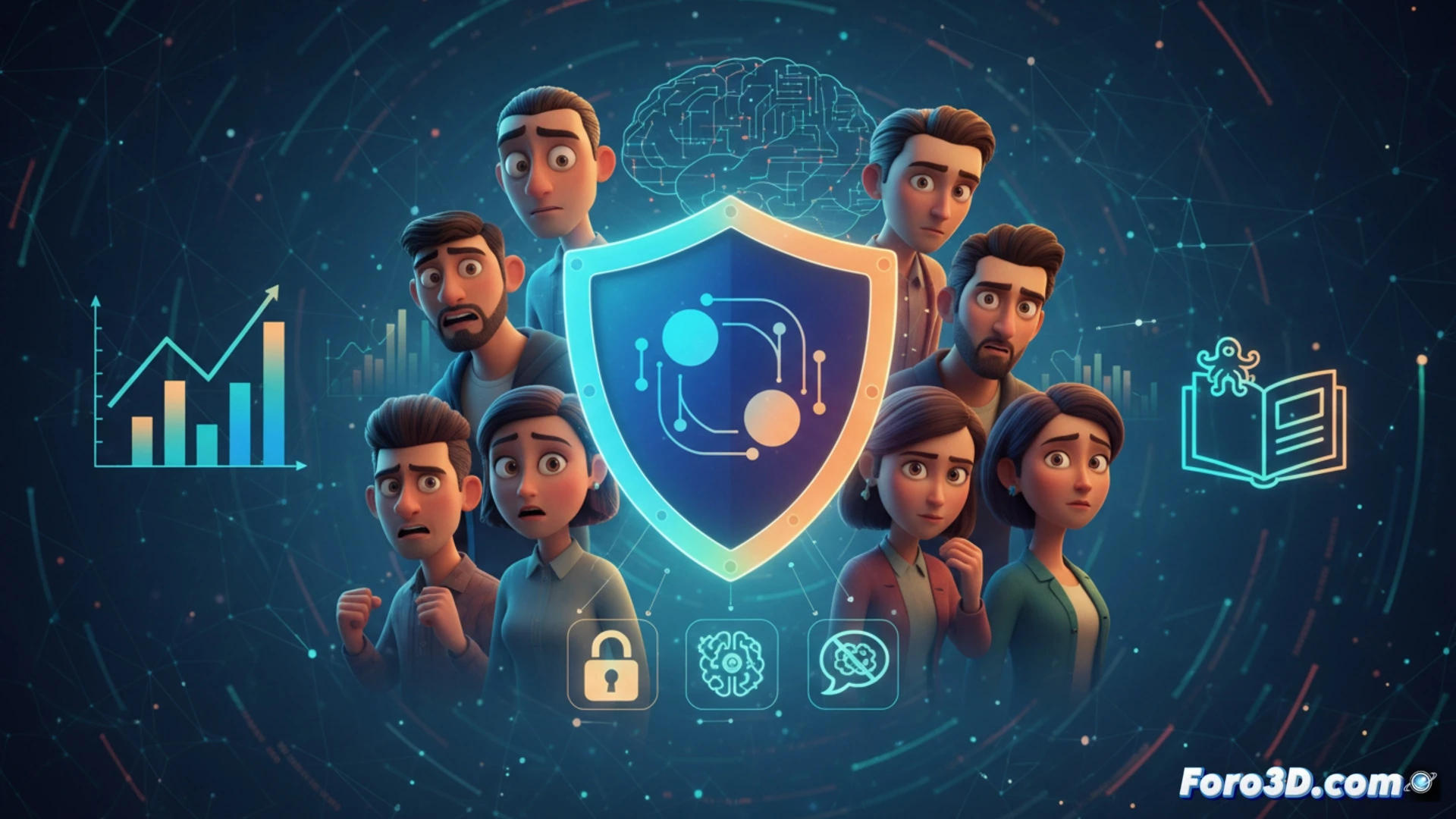
Technical compliance: modular prompts and graduated responses 🛡️
OpenAI's technical proposal is based on a system of modular and configurable prompts that define graduated model responses to sensitive queries. This approach allows developers, especially those with limited resources, to implement a base layer of compliance. Here, 3D modeling and simulation can be key allies for visualizing and testing these risk interaction flows. Virtual environments can be created that simulate conversations with an AI agent, mapping friction points and testing the effectiveness of safety responses, enabling a more robust design before real deployment.
Technology as a shield, not as the sole solution ⚖️
These open-source policies are an important step, but OpenAI itself warns that they are not a complete solution. They must be integrated into a broader ecosystem that includes ethical design, human oversight, and education. 3D simulation can extend its utility beyond development, creating immersive educational experiences to raise awareness among minors, parents, and educators about digital risks, transforming protection into a collective and multifaceted effort.
How can OpenAI's open-source policies for protecting teenagers in AI serve as a replicable model for other technological developments aimed at vulnerable groups?
(P.S.: protecting the military is like protecting your Blender file: make a backup or cry later)