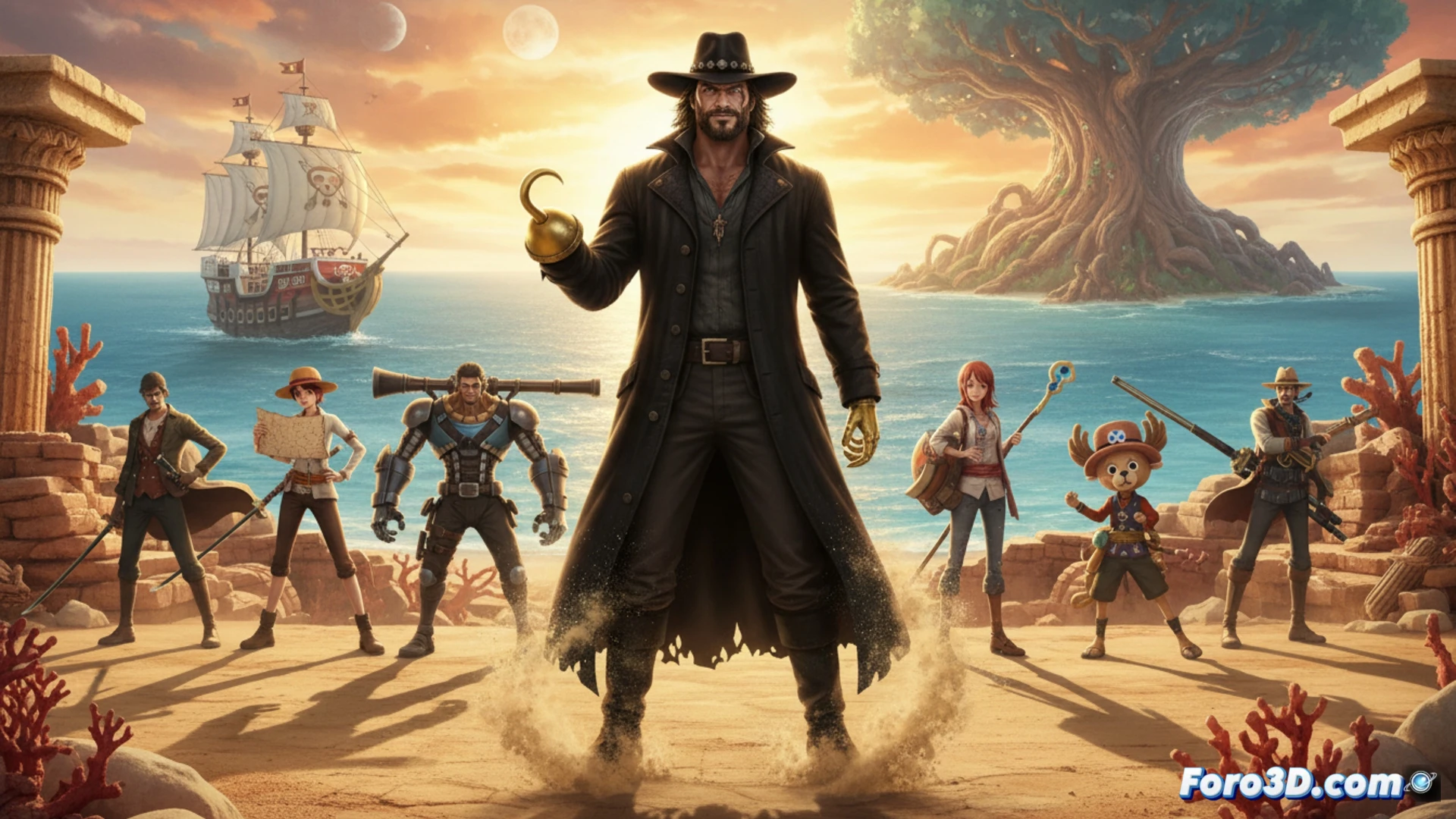
Netflix's live-action adaptation of One Piece has surprised with its fidelity to the adventurous spirit of the original. Beyond its success as an adaptation, the series works as a brilliant case study in applied narrative design. Its structure is, in essence, that of a perfectly orchestrated tabletop role-playing campaign, presenting a group of adventurers with complementary roles who progress episodically toward an epic goal, facing villains and overcoming challenges.
From the Character Sheet to the Screen: Group Mechanics and Progression 🎭
Each member of Luffy's crew embodies a defined class and role. Luffy is the charismatic tank, Zoro the warrior, Nami the rogue with navigation skills, Usopp the engineer archer, and Sanji the specialist fighter. The series develops their character sheets through dedicated arcs, equivalent to character-focused game sessions. The antagonists, like the one played by Joe Manganiello, act as stage bosses with unique mechanics and rules. The quest for the One Piece is the long-term campaign objective, while each island represents a self-contained module with its own plot, rewards, and level up for the crew.
Lessons for Interactive Experience Designers 🕹️
The series demonstrates that the fundamental principles of role-playing game design are universally appealing. The key lies in clear progression, differentiated team roles that foster synergy, and a balance between the main arc and side quests. For any interactive narrative designer, One Piece is a practical manual on how to structure a cooperative adventure, create a cohesive party, and maintain the player's motivation through milestones and a legendary reward, lessons applicable to both video games and other narrative media.
How can we apply the narrative techniques and character design used in Netflix's One Piece adaptation to create memorable side quests and character arcs in the development of role-playing video games?
(P.S.: game jams are like weddings: everyone happy, no one sleeps, and you end up crying)