Nissan keeps the hope alive of marketing its Z sports car in Europe, but the path is fraught with obstacles. The main one is the strict Euro 7 emissions regulation, which poses an engineering challenge for its 3.0-liter twin-turbo V6 engine. The brand refuses to replace this powertrain, considered the soul of the model, which forces a complex adaptation. Additionally, the reduced niche of sports coupes in the European market complicates the economic viability of the project.
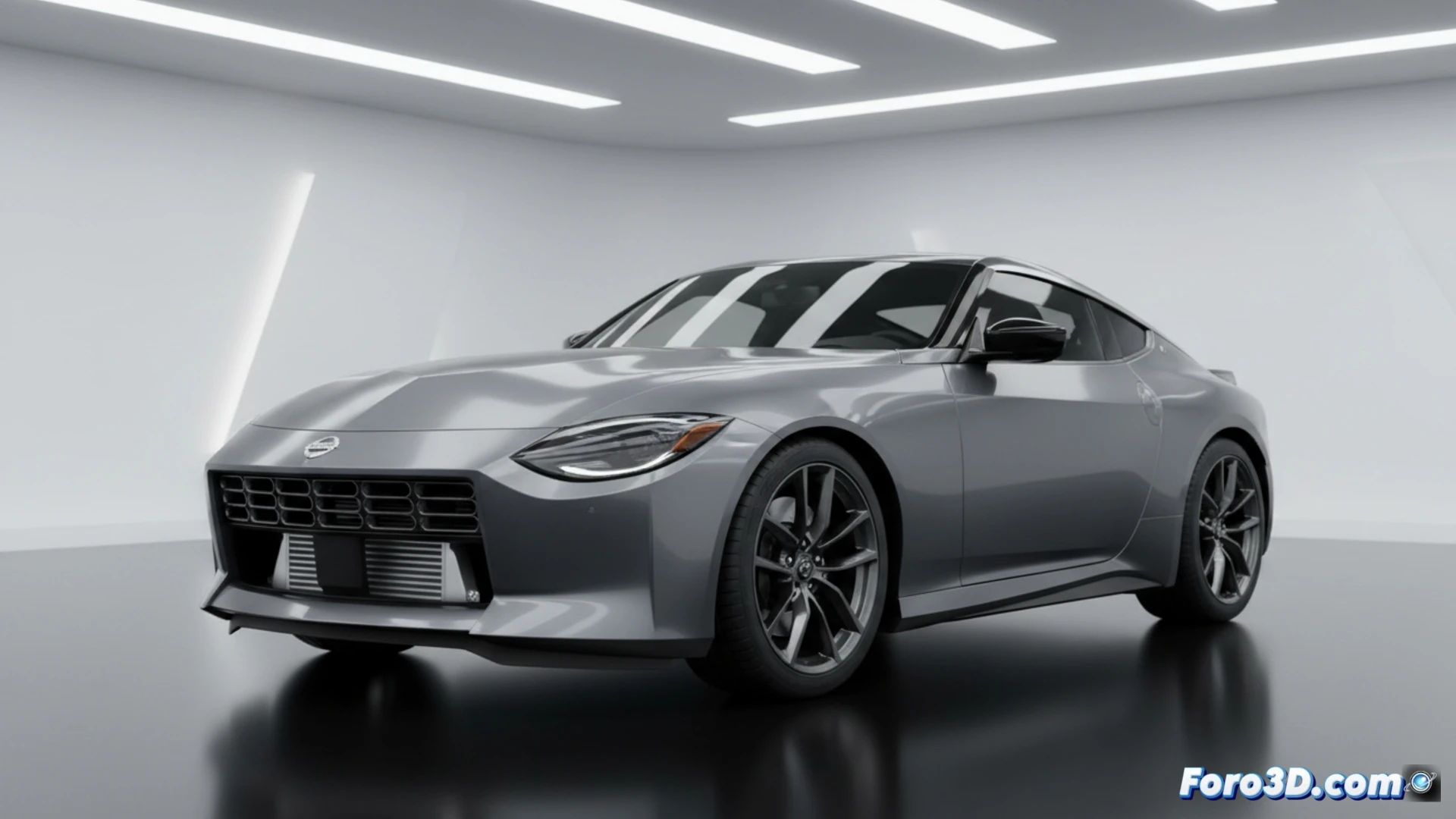
3D Simulation: the key to redesigning without losing essence 🛠️
This is where 3D modeling and simulation tools become critical. To comply with Euro 7 without altering the essence of the powertrain, engineers can use advanced software to redesign key components. Computational fluid dynamics simulation allows optimizing thermal management, air flows in the intake and exhaust, and combustion to reduce emissions. Likewise, 3D modeling facilitates the design of new exhaust gas aftertreatment systems, such as catalysts or filters, and their integration into the compact engine compartment without compromising its characteristic performance.
Beyond engineering: a market dilemma ⚖️
The Nissan Z case goes beyond the technical and reflects an industry dilemma. 3D tools also enable analyzing and visualizing the vehicle's integration into specific markets, evaluating its appeal. However, the final decision weighs whether the investment in a deep redesign, validated through simulations, is justified for limited sales volume. It is the crossroads between passion for traditional mechanics and the harsh reality of regulatory and commercial pressures.
How can 3D modeling and simulation technologies optimize the exhaust gas aftertreatment system of a twin-turbo V6 engine to comply with Euro 7 regulations without compromising its sports performance?
(P.S.: ADAS systems are like in-laws: always watching what you do)