The collaboration between Goddess of Victory: Nikke and Razer, announced for March 2026, is a clear example of integrated marketing strategy. This alliance goes beyond a digital skin, creating a monetization ecosystem that spans microtransactions, limited physical merchandise, and community events. Analyzing this case allows understanding how developers seek new revenue streams and engagement beyond the game's core mechanics.
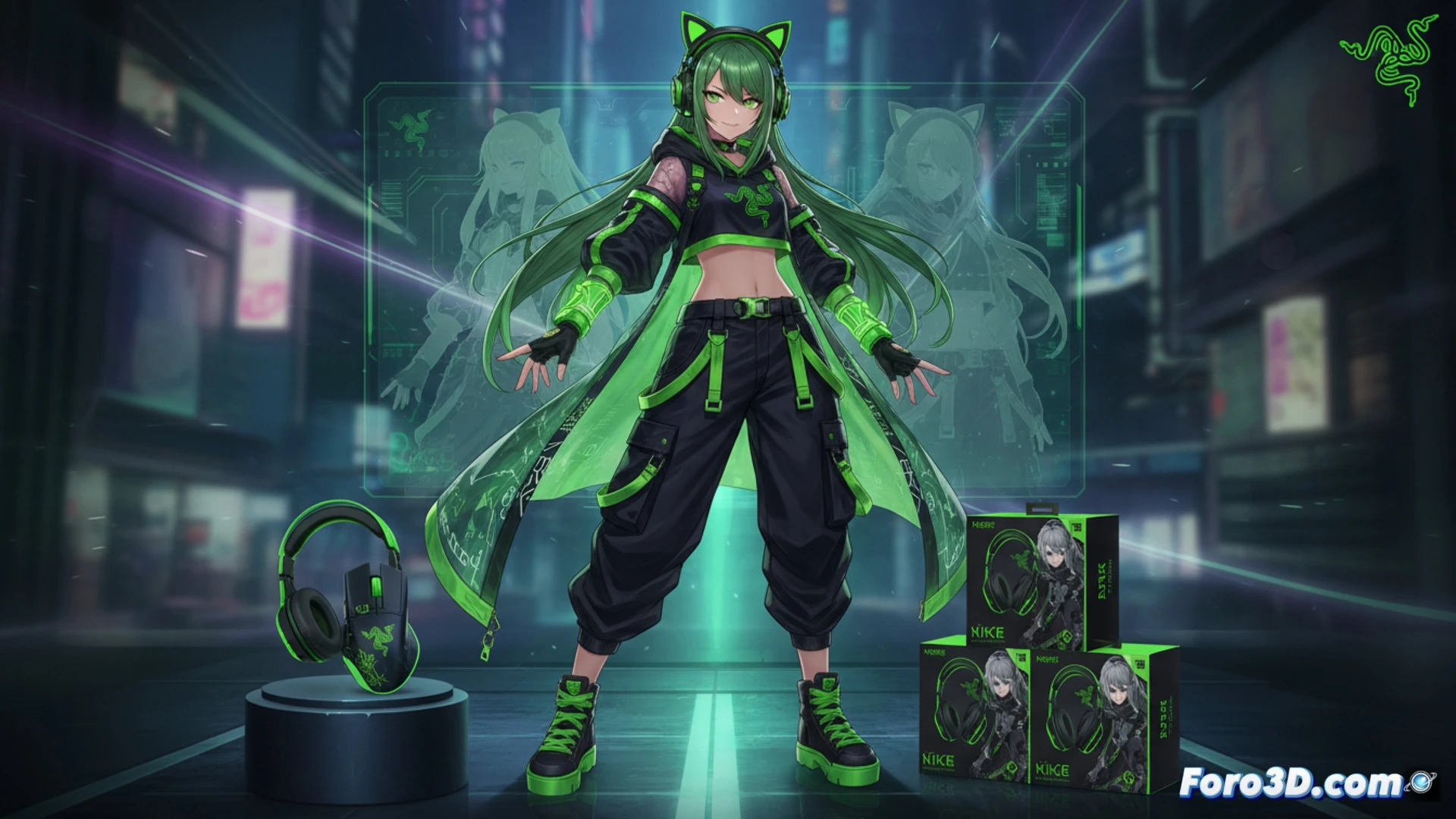
Synergies between Software and Hardware: A Mixed Revenue Model 💰
This collaboration operates on two clearly defined revenue fronts. On one hand, digital content, such as the outfit for Viper, activates direct microtransactions or engagement to unlock it. On the other, Razer physical products with special designs function as collectible items that include a code for the skin, creating tangible added value. This mixed model expands the target audience, attracting both players who only want the skin and hardware collectors. The regional strategy, with physical sales in Asia and events in the West, demonstrates a carefully planned market segmentation to maximize impact and revenue according to each region's consumption habits.
The Crossover as a Retention and Community Tool 🤝
Beyond immediate revenue, the main value of these crossovers lies in retention. They offer novel content that reactivates inactive players and rewards the loyalty of the existing base. In-person events in London and Los Angeles transform a digital transaction into a tangible community experience, generating organic social media content and strengthening player identification with the brand. This strategy turns the game into a living platform, where collaborations are milestones that renew interest and extend the product's lifecycle.
How can collaborations between gacha video games and hardware brands, like Nikke and Razer, redefine monetization strategies beyond traditional microtransactions?
(P.S.: a game developer is someone who spends 1000 hours making a game that people complete in 2)