Researchers at ETH Zurich have overcome a fundamental obstacle in medicinal chemistry: the synthesis of poorly soluble therapeutic proteins. These molecules, vital for cancer treatments, often aggregate and become useless during production. The key discovery is a boron compound that accelerates the protein assembly reaction a thousand times, allowing work at much lower concentrations and avoiding aggregation. This breakthrough opens the door to more complex and personalized protein drugs.
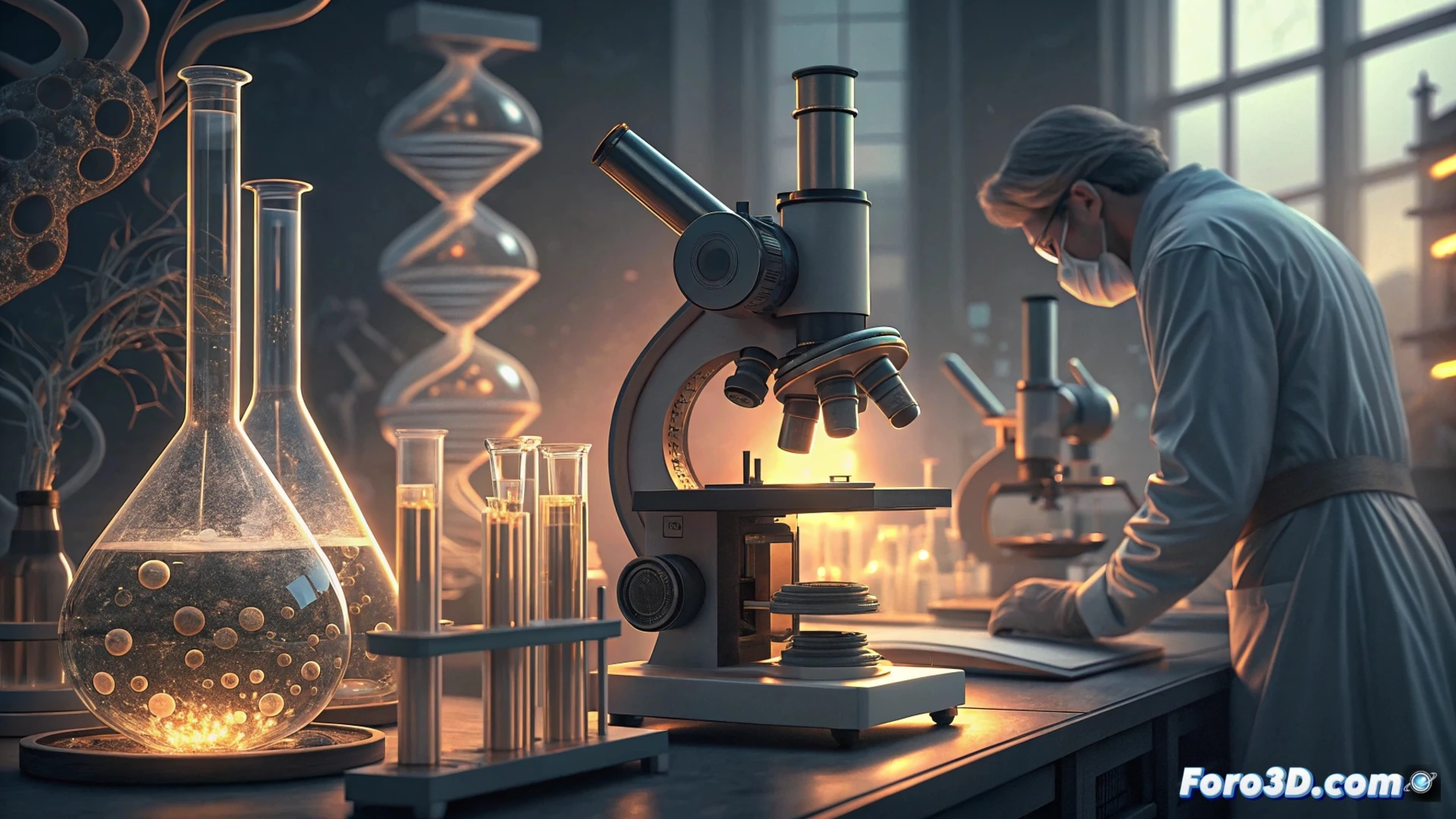
The Boron Bridge: Chemical Precision to Avoid Protein Aggregation 🔬
The conventional method for joining protein fragments, native chemical ligation, is slow and requires high concentrations that trigger aggregation. The Swiss innovation introduces a boron intermediate that efficiently reorganizes peptide bonds, dramatically accelerating the process. This speed allows operation with extreme dilutions where proteins remain soluble and functional. Additionally, it facilitates the incorporation of unnatural amino acids, designed to endow the protein with new functions or stability, a key aspect for the development of next-generation therapies in precision medicine.
3D Modeling: The Digital Ally for Designing the Proteins of the Future 🖥️
This is where 3D biomedicine becomes crucial. Chemical advances like this require three-dimensional molecular modeling to design therapeutic proteins and visualize how their new amino acids interact with biological targets. 3D printing of biomodels allows researchers to physically manipulate these complex structures, while computational simulations predict their behavior. This synergy between cutting-edge chemical synthesis and 3D visualization technologies accelerates the path from the laboratory to more effective and personalized oncological treatments.
How could 3D printing of biomaterials accelerate the clinical application of these new synthesized proteins for personalized oncological therapies?
(PD: and if the printed organ doesn't beat, you can always add a little motor... just kidding!)