The recent visit of the mayor of Girona to Pamplona to strengthen institutional ties is a classic example of municipal diplomacy. However, this type of collaboration can transcend the protocolary act through digital tools. In the niche of Democracy and Digital Participation, 3D technology presents itself as a catalyst to transform these agreements into tangible and transparent projects, bringing cooperation between cities to citizens in an innovative way.
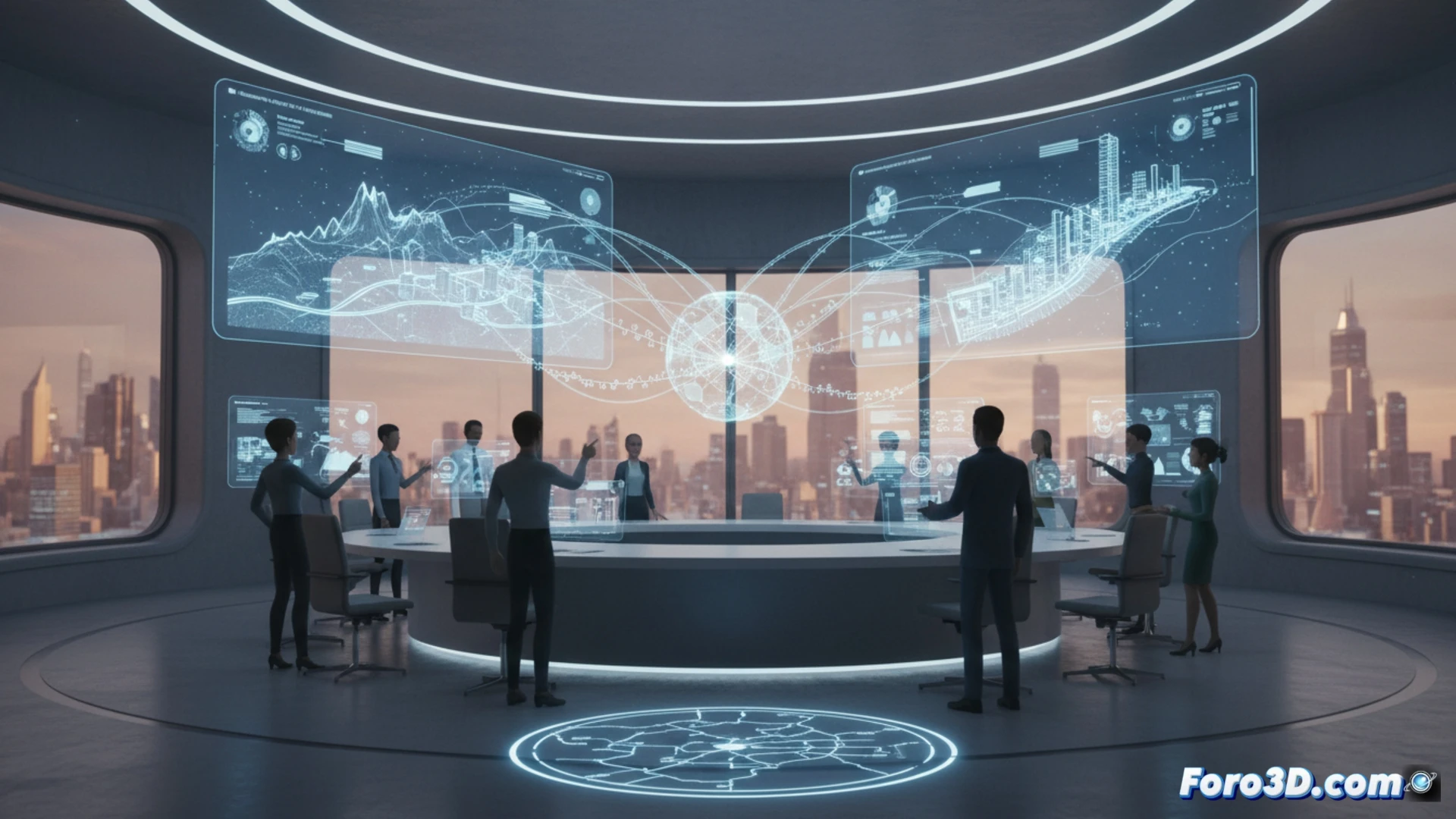
Urban twins and 3D visualization for tangible cooperation 🏙️
Imagine a shared digital twin of Pamplona and Girona. This virtual 3D replica would allow technical teams from both cities to plan and simulate joint projects on mobility, public spaces, or energy efficiency in a collaborative environment. Cooperation flows, shared data, and the impact of initiatives could be visualized spatially, facilitating decision-making. Immersive platforms would allow citizens to explore these proposals, understand the twinning beyond a news item, and participate by contributing ideas to a virtual model of their city, fostering direct and meaningful digital participation.
From the office meeting to the collective virtual square 🤝
The true strength of inter-institutional collaboration in the 21st century no longer lies solely in signed agreements, but in how they are socialized and built. 3D visualization technologies can turn a twinning into a shared civic experience, moving cooperation from a closed sphere to an accessible virtual square. This not only increases transparency but generates a sense of expanded community, where citizens are witnesses and active participants in the joint work of their local governments.
How can digital twins transform traditional municipal collaboration, such as the visit between Girona and Pamplona, into a permanent ecosystem of participatory governance and data-based decision-making?
(PS: at Foro3D we believe in democracy... and that the render always finishes before the elections) ⚙️