Markwayne Mullin's confirmation as Secretary of Homeland Security is not just a bureaucratic change. It is a high-level political communication act that reinforces a visual narrative of continuity and hardline stance. This move, driven by Trump's influence, transcends the appointment to become a powerful symbol, an image of control over security institutions. Analyzing this event requires going beyond the text and exploring how this story of power and political priorities is visually constructed and projected in a critical national debate.
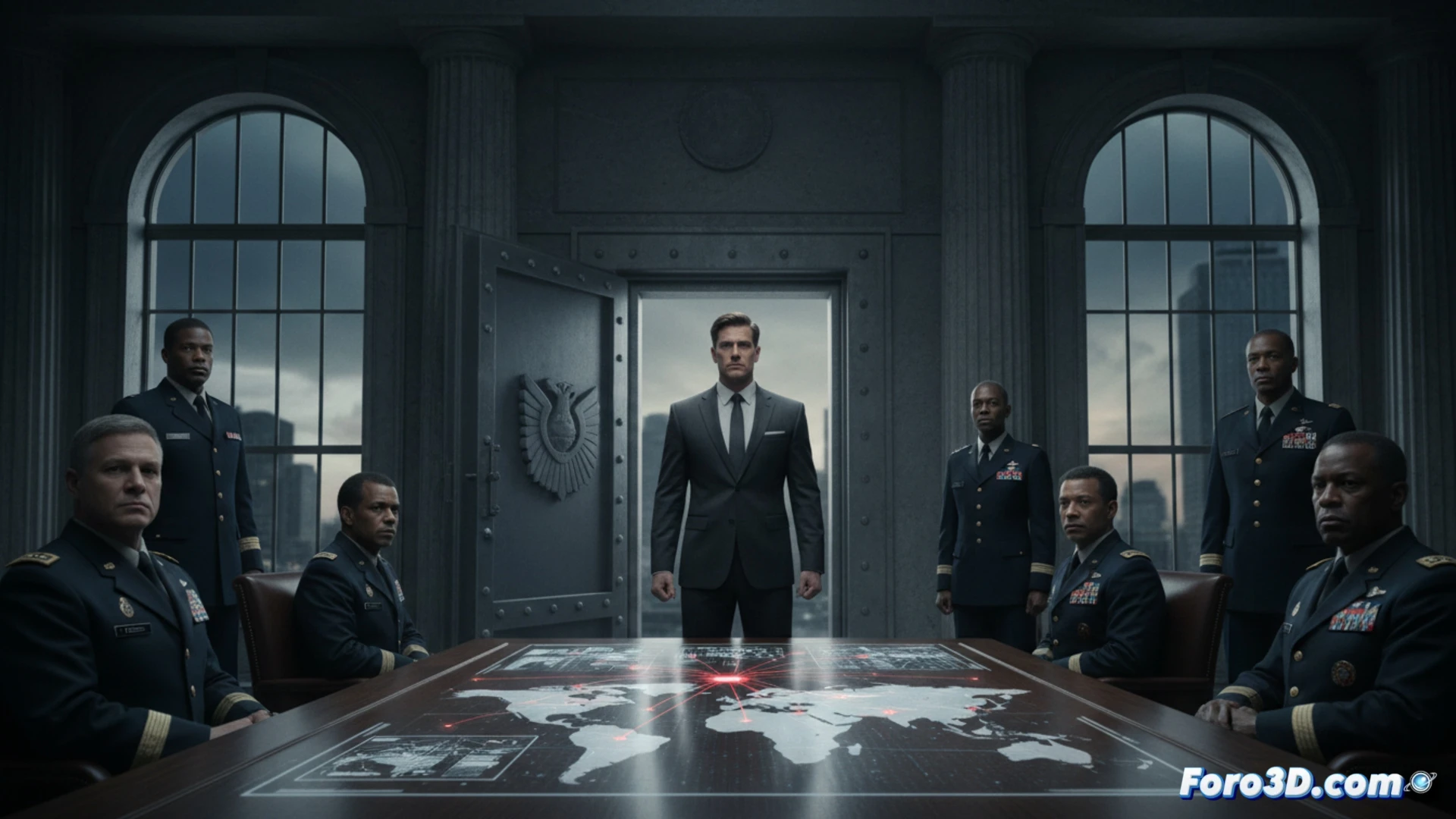
Deconstructing the Influence Network with Interactive 3D Visualization 🔍
The news reveals a pattern: the placement of allies in strategic positions. This is where visual analysis with 3D tools becomes crucial. We can propose an interactive 3D infographic that models a network of nodes and connections. The nodes would represent key figures like Trump, Mullin, Noem, and other aligned officials. The visible connections would show endorsements, shared campaigns, and political alignment. By interacting, the user could isolate the national security axis, seeing how this core consolidates. This visualization makes the architecture of power tangible, transforming abstract data into a comprehensible spatial structure that evidences the political strategy behind the headline.
The Infographic as a Narrative Battlefield ⚔️
The proposed visualization is not neutral. It is an instrument to decode the battle of narratives. While the government communicates this change as strength and coherence, its critics see it as dangerous politicization. A well-designed 3D piece can contrast these perspectives. For example, by showing the influence network alongside key border management data, it allows the viewer to make their own visual and critical connections. 3D technology, therefore, not only illustrates but becomes the medium to question and analyze political communication, making visible what is often handled in opaque speeches.
How does Markwayne Mullin's official iconography construct a narrative of power and security in his new role, and what visual elements (attributes, settings, symbology) are employed to legitimize his authority before the citizenry?
(P.S.: visualizing political lies in 3D is easy, the hard part is fitting so many simultaneously)