At the Bauhaus University Weimar, they have developed a methodology that is changing the approach to modeling for 3D printing. Named Montana Mixers, this philosophy prioritizes problem-solving before even opening the slicing software. It is a hybrid workflow that combines analog artisanal techniques with digital tools, with a clear objective: create truly optimized models ready to print on the first try, minimizing failure and waste.
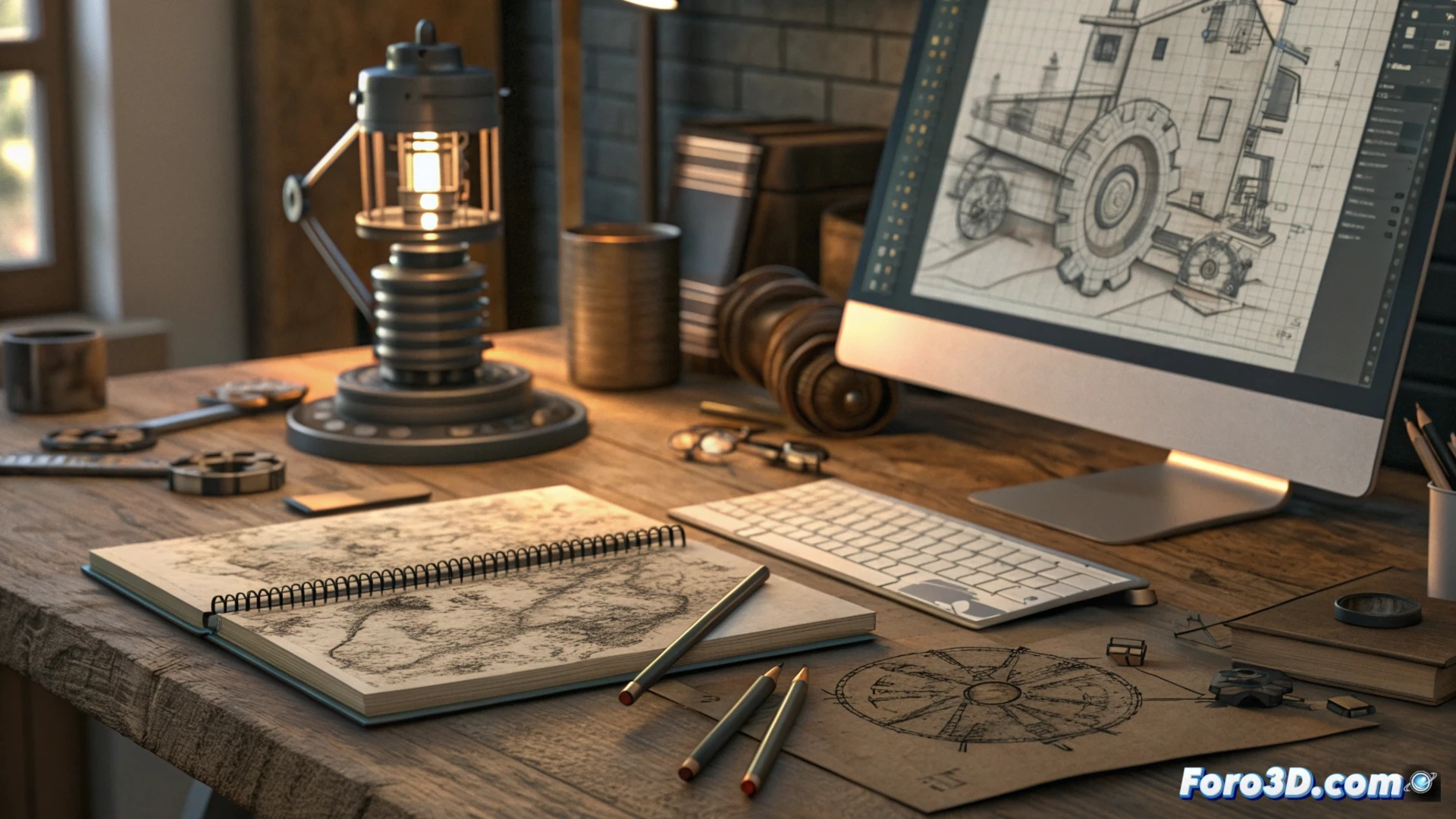
A Hybrid Pipeline: From Physical Prototype to Perfected Digital Model 🛠️
The process begins with a critical analysis of the design and its potential printing failures. The key lies in the rapid creation of physical prototypes using low-cost materials like clay, modeling foam, or cardboard. This step allows identifying balance issues, impossible geometries, structural stresses, or scale errors in a tangible and immediate way. Corrections are made on this analog prototype in an agile and economical manner. Only when the physical design is validated does the final digital refinement and 3D printing proceed. This approach inverts the traditional pipeline, where rapid prototyping is done after printing, at a higher cost in filament and time.
Beyond the Printer: Innovation Lies in Planning 💡
Montana Mixers demonstrates that true optimization in additive manufacturing does not solely reside in adjusting layer or temperature parameters. The innovation is in intelligent and critical prior planning. Integrating this rapid analog prototyping into our workflow is a best practice that any modeler should consider. The benefits are direct: significant savings in material and printing time, and superior final quality by eliminating costly iterations. It is a reminder that the best complement to a 3D printer is often a block of clay and a critical mind.
How does the Montana Mixers methodology from the Bauhaus University Weimar redefine the pre-production phase to ensure the viability and quality of a 3D printable model from its conception?
(P.S.: A good printable model is like a good friend: it doesn't need supports.)