Monster Hunter Stories 3: Twisted Reflection represents a fascinating design exercise: transplanting the essence of an action and hunting saga into a turn-based creature-collection RPG. This technical review analyzes its implementation, focusing on how its mechanics adapt the DNA of Monster Hunter, the construction of its world, and the points where the execution falters. Beyond a consumer critique, we approach it as a case study for developers interested in franchise evolution and genre hybridization.
From Hunt to Turn: Combat Systems Engineering 🛡️
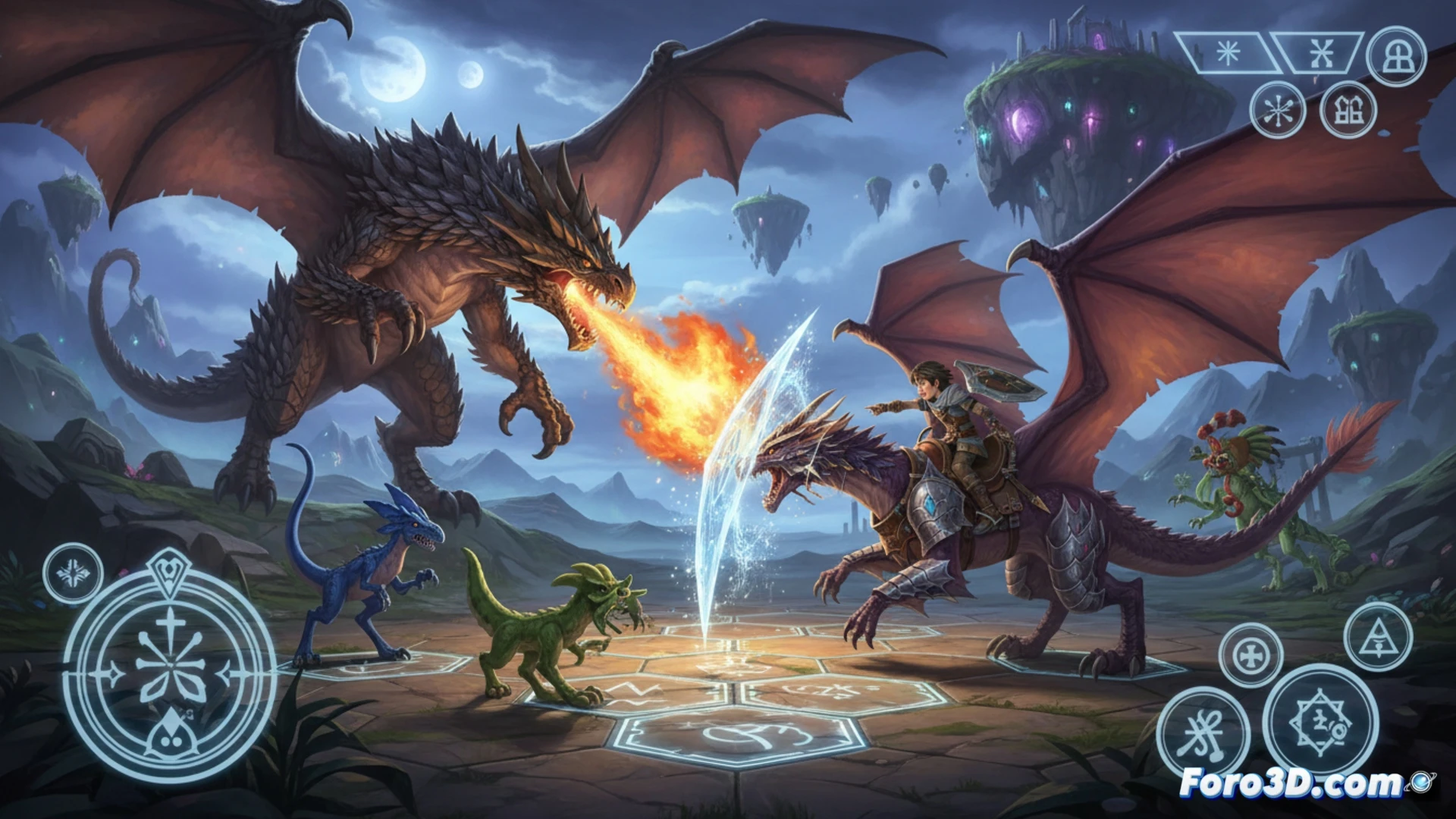
The game's core is a turn-based combat system that transplants the predictive dance of Monster Hunter into a strategic format. Instead of dodging, players anticipate the monster's attack patterns, choosing between Strength, Speed, or Technique attacks in an enriched rock-paper-scissors scheme. The technical innovation lies in how this system simplifies the complexity of the original action without losing its sense of preparation and counterattack. The linkage with the Monstie (companion creature) adds a layer of synchronization and joint abilities. However, open-world exploration shows technical weaknesses, with navigation and controls that can feel clunky, a reminder that the transition between exploration and combat is a critical design challenge.
Narrative and World: Lessons in Saga Expansion 📖
Twisted Reflection demonstrates how to expand an established universe beyond its central premise. The plot, with its political conflict and the plague that drives monsters mad, serves as an organic framework to justify collection and combat, integrating narrative and gameplay. The charismatic cast and the vibrant kingdom of Azuria are key assets for immersion. The case study here is pacing management: the extensive initial tutorials and uninspired side quests slow down the experience, a lesson on the importance of dosing information and content to maintain engagement without sacrificing the depth that RPG fans expect.
How has the technical development pipeline of a turn-based JRPG evolved to integrate real-time action mechanics and monster breeding systems without compromising performance on next-generation consoles?
(P.S.: optimizing for mobile is like trying to fit an elephant into a Mini Cooper)